Argentina's court mandates the return of a stolen painting to the heir of a Jewish art dealer, shedding light on Nazi-era art restitution.
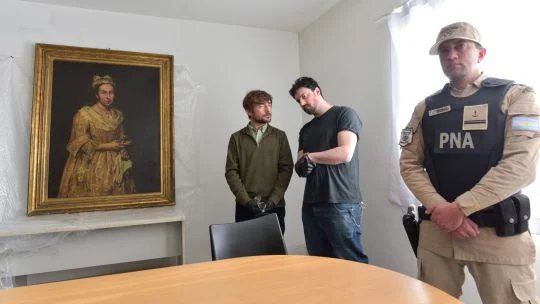
In a notable ruling, an Argentine court has mandated the return of an 18th-century painting, Portrait of a Lady, to the heir of a Dutch Jewish art collector, Jacques Goudstikker. The decision comes after the artwork was discovered in the residence of a daughter of a prominent Nazi officer in Argentina.
The Context of Cultural Repatriation
Art restitution cases like this one are not just about recovering valuable items but also about addressing historical injustices. The legacy of World War II continues to resonate through many cultures, particularly regarding artworks looted during the Nazi regime. For decades, families and organizations have grappled with the complexities of reclaiming stolen art, often facing lengthy legal battles that highlight the messy intersection of history, law, and ethics.
In the case of Portrait of a Lady, it serves as a reminder of the darker side of art history, where ownership disputes are entangled with the narratives of oppression and loss. The decision to return this painting adds to the increasing momentum for broader repatriation efforts, indicating a shift in attitudes towards rightful ownership and the importance of preserving historical integrity.
The Ruling and Its Implications
The judge presiding over the case, Santiago Inchausti, confirmed that an official order would facilitate the painting's repatriation to Goudstikker's daughter-in-law, Marei von Saher. This decision reflects a growing trend among courts around the world to favor claims from rightful heirs, particularly in cases involving artworks looted during tumultuous periods.
The significance of this ruling extends beyond merely returning a single painting. It symbolizes the recognition of historical grievances and the responsibility that modern societies have to right past wrongs. Does this set a precedent for future restitution claims? That remains to be seen, but it certainly encourages dialogue on the issue.
The Artwork’s Troubling Provenance
Initially identified by the Dutch publication AD, the painting was found in photographs of a home for sale in Mar del Plata, where it was prominently displayed above a green sofa. The owner, Patricia Kadgien, is the daughter of Friedrich Kadgien, a financier for Nazi Germany's SS. This association raises uncomfortable questions regarding the origins of the artwork and the implications of its past ownership. The Kadgiens’ connection to Nazi ideology complicates the situation, as they were found to possess a significant piece of art linked to the era's atrocities.
Following the identification of the artwork, both Patricia and her husband faced legal scrutiny and were placed under house arrest for concealment. This legal action emphasizes how ongoing scrutiny into the ownership of art from this period can bring accountability to those who possess controversial items. What's particularly noteworthy is how the painting re-emerged in a setting so far removed from its original context, showcasing the complexities of art ownership and the long shadow cast by historical events.
Financial and Ethical Repercussions
According to the terms of the agreement, the Kadgiens will not only return the painting but also donate approximately $3,200 to local hospitals, acknowledging the painting's controversial past. This form of restitution is becoming a common thread in similar cases, serving to soften the historical scars while also benefiting modern communities affected by the legacy of war and displacement. Donations like these are tokens of goodwill, but you have to wonder if they do enough to address the underlying issues surrounding art restitution.
Rather than making a significant impact, such financial reparations might feel like a drop in the bucket compared to the true value of the artwork and the history it represents. Yet, they do highlight an evolving narrative where restitution is not just about reclaiming ownership but also about making amends in whatever way possible.
The Bigger Picture: The Fate of Goudstikker’s Collection
Portrait of a Lady was one of over 1,000 pieces that were confiscated from Goudstikker's collection after Nazi forces invaded the Netherlands in 1940. Goudstikker managed to flee shortly before the invasion, leaving behind valuable works that were subsequently distributed among high-ranking German officials. The plight of Goudstikker himself is symbolic of many Jewish collectors of that era whose lives and possessions were upended in an instant. His story serves as a reminder of personal loss amidst the broader cultural devastation wrought by the war.
Post-war efforts led by the Dutch government successfully reclaimed around 300 items from Goudstikker’s original collection, most of which have since been returned to his family. However, numerous other pieces from his collection are still lost or unavailable across various locations worldwide, making this restitution case particularly noteworthy. It illustrates the ongoing struggle for many families to reclaim their heritage and history that was forcibly taken away.
Looking Ahead: Implications for Future Restitution Efforts
This ruling has broader implications for how countries and individuals approach the restitution of art that carries complicated histories. There’s a growing expectation that rightful owners, or their heirs, will be prioritized in such disputes. If you’re working in this space—either legally or in cultural institutions—you should expect the paradigm to shift increasingly towards accountability and recognition of injustice.
The fact that this case has been resolved is encouraging, but challenges remain. Many artworks still reside in private collections or museums, removed from their rightful cultural contexts. As more legal frameworks evolve to address historical grievances, the conversation about cultural heritage and ownership will only intensify.
(And this is the part most people overlook): the emotional aspects often outweigh the monetary values attached to these pieces. Art isn’t just a commodity; it’s a narrative, a slice of history longing to be reconnected with its past.
Ultimately, cases like that of Portrait of a Lady act as touchstones for broader discussions about ownership, restitution, and the power dynamics that persist long after wars have ended. The landscape of art restitution is shifting, and while the path remains fraught with complexity, each recovered piece serves as a step towards a more just future.
Discussion
Sign in to join the discussion.