The Spanish government plans to extend the Tarajal jetty by over 100 meters to bolster border control alongside Morocco, with a total investment of 9 million euros.
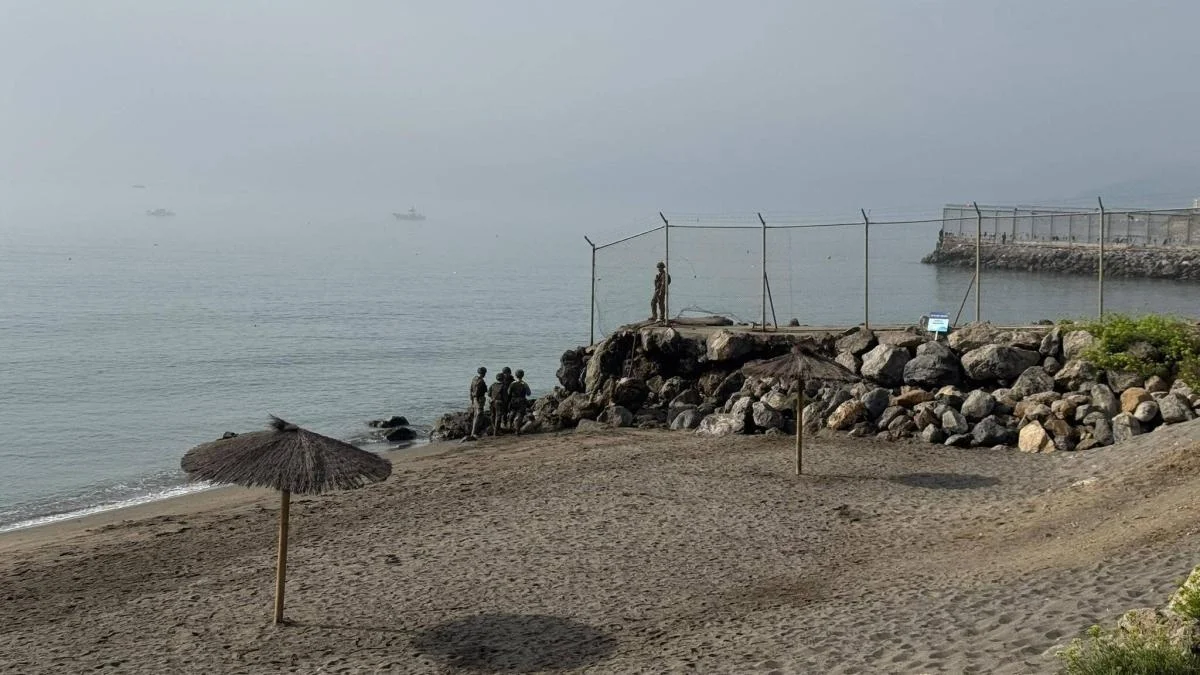
The Spanish government has announced plans to extend the Tarajal jetty, a crucial entry point where more than 70,000 individuals crossed during Spain's severe migration crisis. On Tuesday, the Ministry of the Interior revealed it has initiated paperwork for a significant construction project aimed at reinforcing the jetty's border control position with Morocco. This enhancement will include a new structure extending over 100 meters into the sea, featuring inverted tooth barriers. As Spain has struggled with its migration challenges, this move signals an undeniable shift in policy and strategy.
Context of the Migration Crisis
The Tarajal jetty, located in Ceuta, serves not only as a physical entry point but also as a symbolic frontier for migrants from North Africa seeking refuge or a better life in Europe. The migration crisis reached its height in recent years, predominantly fueled by economic hardship, political instability, and social unrest in various African nations. Spain has become a focal point due to its geographic proximity, creating immense pressure on its border security and humanitarian response systems.
Over 70,000 crossings reveal the scale of this issue, reflecting broader trends where states grapple with balancing border security and human rights. Noteworthy, migration often becomes a politically charged topic, particularly around election times. The timing of this announcement, just a day before national elections, raises eyebrows—are these measures more about garnering political support than effectively addressing humanitarian needs?
Phase One of the Jetty Extension
The project comprises two phases. Phase one will focus on a 15-meter linear extension of the jetty divided into three modular sections, supported by piles and featuring an upper mesh barrier with inverted curvy spines. The modular design suggests an adaptability that might be crucial should the political climate shift or if future migration patterns change. A subsequent phase will further extend the jetty by an additional 100 meters through the construction of a vertical wall, creating a more formidable barrier against human crossings.
However, this kind of infrastructural expansion isn’t just about deterrence; it also raises questions about the ethical implications of such hardline measures. While reinforcement may provide a sense of security for some, it could potentially deter individuals in genuine need of asylum. More significantly, reflecting on how effective these barriers truly are could lead to insights about better, more humane approaches to border control.
Financial Implications and Approvals
The total estimated cost for both phases stands at approximately 7 million euros, as confirmed by the Interior Ministry. Before proceeding, the ministry will seek favorable reports from the autonomous city of Ceuta and other relevant state organizations that must approve the initiative. The financial outlay raises important questions about resource allocation—especially when considering the deep-rooted issues driving migration, such as poverty and instability in home countries.
This 7 million euros investment could be broken down into operational and long-term expenses, leading to debates within Spain regarding the best allocation of funds in response to migration. If you're working in this space, you might question whether such investments focus primarily on physical deterrence over comprehensive migration policies that address the underlying issues. The need for public funds in one area while neglecting others could exacerbate existing problems in the system.
Additional Security Measures
Moreover, the Interior Ministry plans to install a floating beacon system designed to support a resilient underwater net intended to prevent submerged crossings. This permanent infrastructure will replace the temporary floating barrier set up last August, which was originally a stopgap measure. The projected cost for this additional system is around 2 million euros. And yet, while temporary measures can serve immediate functions, they often lack long-term vision, leading to repeated cycles of construction and adaptation.
The move to replace a temporary barrier with a permanent system could signify a longer-term strategy rooted more in control than humanitarian reception. This upsurge in spending reflects a hardening stance on migration within Spanish politics, likely influenced by broader EU policies as well. The security-first approach, while designed to deter crossings, risks further entrenching the very issues that lead people to embark on dangerous journeys in the first place.
Implications and Future Outlook
As the project advances, it highlights the ongoing strategic measures that Spain is implementing to secure its borders and manage migration effectively in light of geopolitical pressures. While the jetty extension is undeniably a significant infrastructural enhancement, its implications stretch far beyond mere border security. If the Spanish government continues to prioritize deterrence through physical barriers, it may miss opportunities for more holistic, humane strategies that recognize migrant rights while addressing the reasons behind migration.
Looking ahead, this campaign could set a precedent for other nations facing similar migration scenarios. The question remains: will Spain's approach yield effective control, or will it push migrants into increasingly perilous situations, creating humanitarian crises that could require even more resources? The stakes are high for migrants and policymakers alike—balancing security with humanity is a tightrope walk that requires more than just physical structures. That’s something worth considering as these changes unfold.
Discussion
Sign in to join the discussion.