Japan's swift push to enhance its drone capabilities is commendable, yet it grapples with deep-rooted industrial hurdles that could limit long-term sustainability.
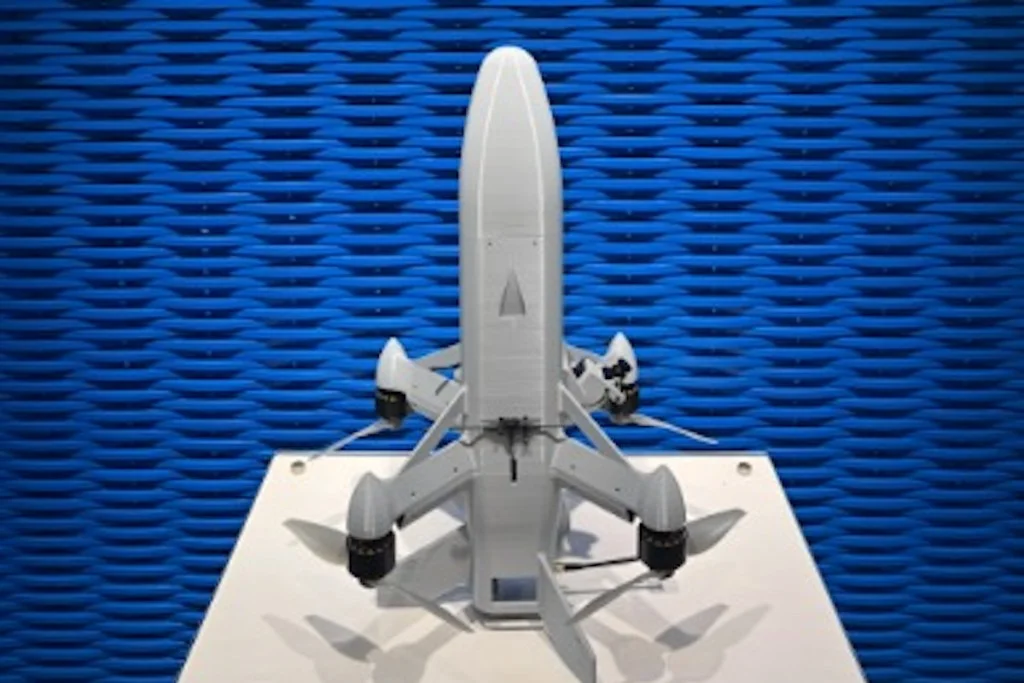
Japan's acceleration in drone technology signifies a pivotal shift from its historically slow defense procurement processes. With rising regional security concerns, particularly from China's military advancements, the Japanese government has moved quickly to produce interceptor drones through the Acquisition, Technology and Logistics Agency (ATLA). A recent contract with Terra Drone Corp. aims to mass-produce the Terra B1 interceptor drone, marking a significant departure from conventional timelines and methodologies in military acquisitions.
Set to deploy in September, the Japan Maritime Self-Defense Force (JMSDF) will be the first service to utilize this new drone, designed to counter potential threats by targeting hostile unmanned aerial vehicles (UAVs) at speeds reaching 250 kilometers per hour. The swift procurement process is a response to emerging challenges highlighted by modern warfare dynamics, especially lessons from the ongoing conflict in Ukraine, which prominently features low-cost drone warfare.
Indeed, Japan evaluated 38 proposals before narrowing them down to four finalists in a matter of months, a process traditionally fraught with lengthy timelines. This fast-tracking aims to construct an affordable defense against possible saturation attacks without exhausting Japan's limited stock of surface-to-air missiles, emphasizing a new operational urgency.
However, the broader implications present a significant question: can Japan replicate this procurement model to produce drone systems that can withstand intensifying conflict scenarios? Analysts warn that the pressing need for inexpensive counter-drone solutions doesn't automatically translate into a sustainable production model. The complexities of developing a defense architecture at scale could be obstructed by entrenched industrial and logistical challenges.
Considerations are most urgent in contexts like a potential Taiwan conflict. Reports from the Center for a New American Security (CNAS) underscore that China's drone capabilities pose a distinct threat, targeting crucial Japanese bases and infrastructure, particularly in the Southern Ryukyu Islands. Wargame simulations predict a future where China employs swarms of inexpensive UAVs to systematically deplete Japan's air defenses, complicating allied operational capacities in the region.
The real concern, as noted in a Hudson Institute study, is Japan's limited capability to sustain adequate defenses against successive waves of assaults, especially from one-way attack drones and advanced combat aircraft following initial missile engagements. The risk lies in whether Japan can maintain a sufficient stockpile and production line for these interceptors in a conflict scenario.
According to projections, Japan aims to produce 80,000 interceptor drones annually by 2030, yet the nation faces significant hurdles in establishing the requisite manufacturing infrastructure. The current reliance on foreign components, particularly from China, can disrupt both production and operational readiness. Furthermore, institutional inertia and skepticism within the scientific community regarding defense initiatives further complicate matters.
Manufacturing transformations are in discussion, such as a potential acquisition of Nissan's Oppama plant by U.S. defense contractor Anduril Industries. Retrofitting this facility for drone production could forge a military manufacturing hub capable of addressing urgent defense needs. Yet, experts caution that car factories are ill-suited for the adaptive production of drones, which require continual adjustments in response to battlefield realities.
Japan's testing obstacles are another vital concern. Given the country's geographical constraints, there may be a need to relocate parts of its drone development offshore. Observers suggest Australian territories could serve as viable testing grounds due to their expansive area and minimal electromagnetic interference, allowing for thorough evaluations of new systems.
Despite the potential benefits of offshore testing, this shift necessitates significant diplomatic cooperation, as Japan's historical bureaucratic delays could hinder fast adaptation to new operational demands. Moreover, existing political frameworks may limit deeper strategic collaboration necessary for cohesive military planning.
Even if Japan overcomes manufacturing and testing issues, its drone expansion remains vulnerable to external supply chain dependencies. A considerable amount of essential materials and components for drone production are sourced from China, which poses a risk during conflicts where supply disruptions could cripple production lines.
Reports indicate that essential resources utilized in drone construction, including aerospace-grade composites and semiconductor materials, are either under China's control or hindered by narrow supply channels. As such, there is an urgent need to develop resilient local supply chains that can mitigate reliance on foreign products.
Ultimately, Japan’s counter-drone initiative could pivot the nation's defense strategy towards a more adaptable and resilient model, focusing on mass-producing versatile systems tailored to contemporary threats. The challenge lies in moving beyond isolated procurement successes to creating a sustainable ecosystem capable of responding dynamically to the evolving landscape of military engagement.
Discussion
Sign in to join the discussion.