India is considering a partnership with France on the Future Combat Air System, balancing defense needs with technological collaboration.
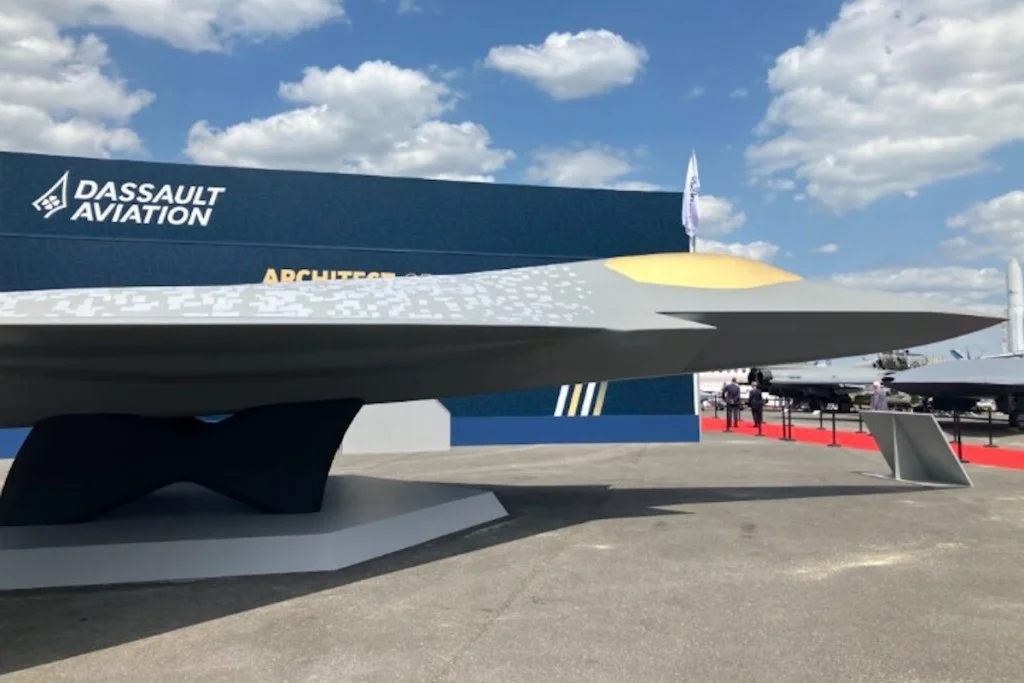
India's recent move to potentially partner with France on the Future Combat Air System (FCAS) highlights a strategic alignment as both nations seek to advance their military capabilities. For India, the drive towards acquiring next-generation airpower is critical, especially in light of the rapid modernization of China's air force. France, on the other hand, is looking for financial partners to support its ambitions in developing a sixth-generation fighter.
This interest was formally noted earlier this month, when the Indian Ministry of Defense revealed plans to explore joining the FCAS program to a parliamentary standing committee. This pivot comes after the collapse of the Franco-German combat aircraft project earlier in June 2026, which faced challenges related to industrial work allocations, intellectual property disputes, and leadership over design and development.
With escalating tensions in the region and a reported shortfall of 13 squadrons within the Indian Air Force, the partnership with France becomes even more significant. Traditional fleets are aging, especially with the scheduled retirement of the Jaguar jets, and there is a pressing need to upgrade the air force's operational capabilities.
Despite France’s technological maturity, it grapples with budget constraints, which creates a supportive role for Indian investment and manufacturing on a larger scale. Discussions moving forward will likely revolve around co-development phases, technology transfers, and production rights, emphasizing critical systems such as propulsion and radar technology.
As these talks unfold, India is concurrently advancing its own indigenous Advanced Medium Combat Aircraft (AMCA) program while considering further acquisitions of Rafale fighters. However, at this stage, no financial agreements or work allocations have been finalized.
The underlying dynamics of this strategic partnership, however, involve complex industrial and technological barriers. Historically, India’s air force capacities have diminished, with reports indicating a decrease to only 29 operational squadrons from an authorized strength of 42, as highlighted in a recent analysis by Douglas Barrie and Tom Waldwyn from the International Institute for Strategic Studies.
Issues such as prolonged procurement cycles and significant delays in domestic production—particularly at Hindustan Aeronautics Limited (HAL)—have exacerbated this operational gap. Regional adversaries, notably China, have continuously advanced their military technology, deploying over 300 J-20 stealth fighters and demonstrating their missile capabilities, thus putting India's aging fleet at a risk of being outmatched.
Moreover, ex-IAF Vice Chief Marshal Nagesh Kapoor has expressed concern over the slow progress of the Tejas Light Combat Aircraft (LCA), pointing to engine supply issues and critical software validation processes that have pushed delivery dates back, further delaying operational readiness.
Looking at the AMCA, although it promises a more strategic advantage, funding and technological delays have seen calls for prototypes pushed back to May 2026, with operational entry pushing into the mid-2030s, leaving India without a homegrown stealth fighter for an extended period.
While Russia has historically been a primary defense partner, India's hesitance to engage with the Su-57 program, given the geopolitical uncertainties and sanctions impacting Russian capabilities, further underscores the need for a reliable partnership. France’s offering appears more viable in addressing immediate airpower needs for India.
For France, maintaining the FCAS program is essential as well. Reports indicate that the program has seen investments of approximately $2.9 billion over eight years, with an expected total expenditure of over $11.6 billion needed for its continued development through the next decade. Additionally, France is deeply concerned about modernizing its aging fighter fleet, with procurement issues and operational demands pressing heavily on its current capabilities.
In light of these factors, India's participation could not only breathe new life into the FCAS initiative but also provide the economies of scale necessary to enhance production efficiency. However, significant hurdles exist in the way of technological sharing—the threshold of intellectual property ownership remains a contentious topic. While discussions may progress towards engine technology transfers, France is likely cautious about extending source code access to sensitive systems, which has traditionally troubled collaborations within Europe.
The groundwork for cooperation is arguably more solid than before, thanks to existing ties established through past projects involving Scorpene submarines and Rafale jets. However, the scale of commitment to a sixth-generation fighter will hinge on how both India and France navigate the intricate balance between technological autonomy and collaboration.
This evolving partnership encapsulates not just a reactive measure to external threats but a proactive step towards ensuring sustained military advantage, one that could redefine airpower equations in a region under notable strategic scrutiny.
Discussion
Sign in to join the discussion.