Telenor faces a groundbreaking lawsuit for allegedly aiding Myanmar's junta through data handovers, raising questions about corporate responsibility in authoritarian contexts.
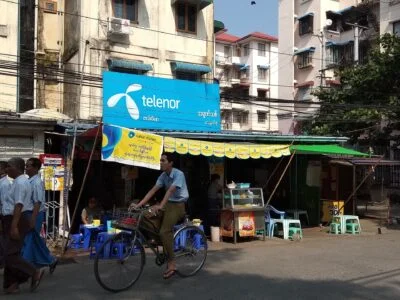
The Norwegian telecom giant Telenor is embroiled in a significant legal battle that questions the responsibility of companies operating in authoritarian regimes. Accused of handing over sensitive user data to Myanmar's military government, Telenor’s case could set a precedent for accountability in the tech industry.
Operating in Myanmar from 2014 until its withdrawal in 2022, Telenor served around 18 million subscribers. Following the military coup in February 2021, the junta pressured the company into compliance with its stringent surveillance and content blocking demands. Ultimately, Telenor opted to exit Myanmar, but civil society organizations raised alarms over plans to transfer its local operations to a firm with military ties.
Background of the Legal Action
In December 2024, the activist group Justice For Myanmar filed a complaint against Telenor in Norway, alleging the company violated the country’s Sanctions Act. Although this initial claim was dismissed, a revised complaint brought forth in October 2025 included allegations of aiding and abetting crimes against humanity.
As a state-owned enterprise with a 54-percent stake held by the Norwegian government, any cooperation with a military regime raises serious scrutiny. In December 2025, the Norwegian Parliament initiated an investigation into Telenor's operations in Myanmar, emphasizing the need to understand how a state-owned entity could collaborate with such a regime.
Details of the Allegations
The civil lawsuit, filed in April 2026 by affected Myanmar citizens, alleges that Telenor shared at least 1,253 phone numbers with the junta, including sensitive personal data like call logs, location data, and banking information. Among the plaintiffs is Tha Zin, widow of rapper and lawmaker Phyo Zeya Thaw, whose tragic fate is directly linked to the access the junta had to his information through Telenor.
I lost my husband. It's not just about my personal tragedy; it's a loss for the movement for democracy in Myanmar.
Lawyer Jan Magne Langseth articulated the essence of the lawsuit, indicating that Telenor’s headquarters advocated for sharing user data despite the evident risks to customers.
Telenor ASA contributed to the practice of data handover, despite knowing the dangers for its users in Myanmar. We have evidence of recommendations from HQ clearly favoring the transfer of data.
Ongoing Investigations and Implications
In September 2026, Norway's National Criminal Investigation Service executed a search at Telenor’s headquarters as part of the ongoing inquiry into these allegations. Justice For Myanmar welcomed the investigation, noting that the shared sensitive data with the military junta was extensively documented and indicating a pathway to accountability.
This case could finally hold Telenor responsible for the harm it has directly inflicted on the Myanmar people through its actions.
In statements to media outlets, Telenor has emphasized its cooperation with authorities, asserting that it prioritized the safety of its employees. The company noted that refusing the junta’s requests could lead to severe consequences, including imprisonment or death for its staff.
In Myanmar, neglecting military directives could lead to extreme measures. We had no real options; exposing our employees to such risk was unimaginable.
The Bigger Picture
Despite acknowledging the junta's brutality, Telenor insists that decisions made were aimed at protecting its workforce. This scenario sparks broader discussions on corporate ethics, especially concerning human rights responsibilities.
Leaving Myanmar does not absolve companies from their human rights obligations. This case is a call to action for all firms operating in risky environments.
The class action lawsuit seeks damages of €9,000 (approximately USD 10,500) for each affected customer, further highlighting the financial stakes in this case. The way this situation unfolds could shift the paradigm regarding corporate accountability in countries dominated by authoritarian regimes.
As the situation progresses, this case exemplifies the urgent need for companies in the tech sector to take moral and ethical considerations seriously, reminding them that operational exit does not equate to the conclusion of their ethical responsibilities.
Discussion
Sign in to join the discussion.