In 2027, Social Security benefits will rise by 3.6%, averaging $75 more per month for nearly 72 million recipients, but program insolvency looms.
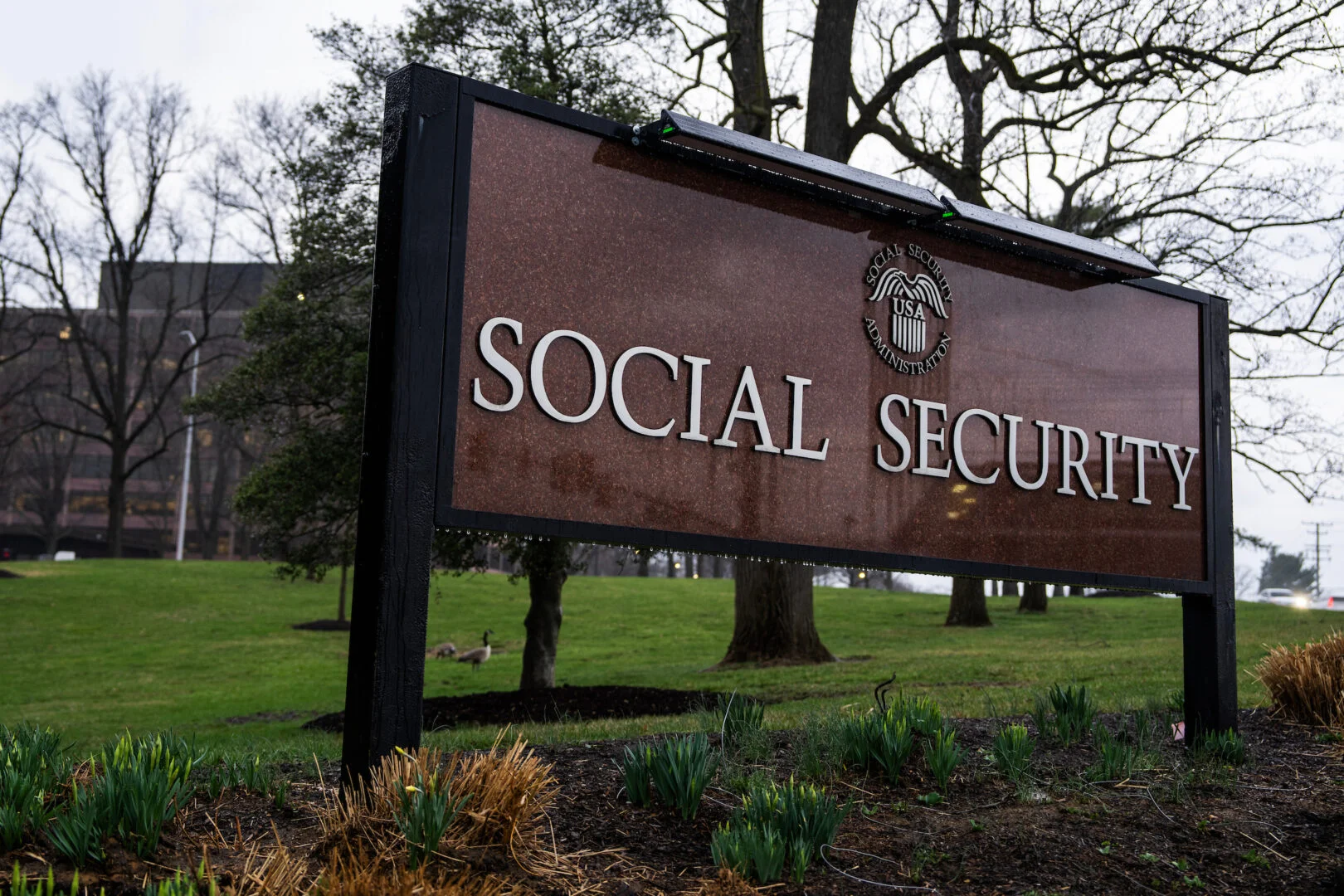
Starting January 2027, Social Security benefits are poised to increase by 3.6%, marking a notable rise from this year's 2.8% adjustment, according to an announcement from the Social Security Administration. The adjustments will affect approximately 72 million beneficiaries, adding an average of $75 to monthly payments for retirees.
Context of the Adjustment
This increase, while modest compared to last year's dramatic 8.7% hike prompted by surging inflation during the pandemic, is significant. The adjustments aim to reflect realistic living costs for beneficiaries, particularly as inflation remains a pressing concern. Beneficiaries depend heavily on these cost-of-living adjustments (COLAs) to maintain their purchasing power in a fluctuating economy. While a 3.6% increase is certainly a boost, it also underscores the tension between rising prices and the sustainability of Social Security funding. If inflation persists, future adjustments may need to be more substantial, raising questions about the fund's long-term viability.
Impact on Beneficiaries
The upcoming increase aligns with projections from organizations like AARP and represents the largest adjustment since that substantial jump in 2023. For recipients of Supplemental Security Income, adjustments will begin on December 31, 2026. For the average retiree, this change means an increase in monthly benefits from about $2,095 to $2,170. You can do the math—it's an additional $75 per month, which might cover some necessary expenses but hardly rolls in the extra cash to increase their standard of living.
Additionally, the cap on earnings subject to Social Security tax will rise to $192,300, up from $184,500. This shift is part of a broader strategy to address funding challenges within the Social Security system. By increasing the taxation threshold, the plan seeks to enhance revenue and alleviate some of the fiscal pressure that’s been building over the years. Still, the effectiveness of this increase is often debated; many argue that it targets only those at the higher end of the income scale while offering little relief to lower-income beneficiaries.
Inflation's Role
The Consumer Price Index indicates that inflation climbed to 3.7% for the year ending September, up from 3.4% recorded for the previous period ending August. This data makes it clear: the economic conditions affecting the average American are complex and ever-changing. Prices for basic goods and services can create significant pressure on already tight budgets for seniors. As costs for medicine, food, and heating continue to rise, the importance of these COLAs cannot be understated. Beneficiaries may find themselves asking whether this latest adjustment is enough to keep up with their financial demands.
Concerns About Program Sustainability
However, this benefits increase exacerbates concerns about the program’s financial future. The Social Security program is projected to face insolvency by the end of 2032. If no significant changes occur, beneficiaries could see up to a 22% reduction in monthly payments around that time, according to a June report from the Board of Trustees. Such a reduction would have dramatic implications for millions who rely on these payments as their primary source of income. The thought of an impending crisis adds a layer of urgency to the current adjustments, suggesting that maintaining monthly benefits must be accompanied by a comprehensive strategy to safeguard the program's long-term integrity.
Legislative Responses and the Political Environment
In response to the looming insolvency, various legislative proposals have been circulated. Unfortunately, none have gained sufficient momentum for enactment. The Committee for a Responsible Federal Budget has emphasized the necessity for policy action. They urge lawmakers to consider both adjustment strategies and potential revenue enhancements as part of a broader reform effort to stabilize the program. That said, the political climate remains volatile, often stalling productive discussions on reforms. Political polarization complicates consensus on issues that, ideally, should transcend party lines. If you're working in this space, this lack of bipartisan support might feel like an uphill battle.
Future Outlook: A Growing Challenge
The implications of this benefits adjustment go beyond just the immediate financial impact on beneficiaries. They highlight a critical tension between providing necessary support to seniors and ensuring the long-term sustainability of Social Security. Policymakers must confront the delicate balance between addressing inflation and the program's fiscal health. As the population ages and more people begin relying on retirement benefits, the strain on the system will undoubtedly increase.
What this means for you, whether you're a future beneficiary or a public policy advocate, is that the urgency for reform cannot be overstated. We’re at a crossroads—business as usual won't suffice. Investors and stakeholders in the Human Services sectors will need to closely observe how Congress navigates these waters. As the end of the decade approaches, proactive measures will be critical to avoid jeopardizing the livelihoods of millions. The future of Social Security hangs in the balance, and it’s a conversation that needs to happen now.
(and this is the part most people overlook) The complexities of Social Security are not just about numbers; they encompass the lives and stories of people facing the very real implications of financial insecurity. As adjustments are approved and discussed, the broader narrative of economic health and secure retirements must remain in sharp focus.
Discussion
Sign in to join the discussion.