A federal judge ordered records and surveillance footage to investigate whether Argentine officials helped Flávio Bolsonaro transit to a private flight to Miami.
Investigators seek a timeline of the trip
The inquiry into Flávio Bolsonaro’s journey from Brazil to Miami is now focused on what Argentine authorities knew and did. Federal Judge María Eugenia Capuchetti has ordered records and surveillance footage to establish whether government officials helped the Brazilian senator cross Argentina and depart from Puerto Iguazú. The central task is to reconstruct the trip step by step, using records created by agencies that handled different parts of the route.
Capuchetti asked the National Immigration Authority for a detailed account of its border control procedures. She also requested camera footage from the tax agency ARCA, the Federal Police, the Border Guard and Aeropuertos Argentina to trace Bolsonaro’s movements inside the country. Those sources could help investigators compare official entries and exits with what cameras captured at relevant locations; footage, however, may show movement without explaining who arranged it or why.
The Foreign Ministry, led by Pablo Quirno, must report whether it received earlier alerts or requests concerning Bolsonaro’s judicial situation. Prosecutors at the Comodoro Py federal courthouse in Buenos Aires are working to bring together complaints filed against the government by opposition figures. The case, first opened after a complaint by Partido Obrero leader Gabriel Solano, has also been expanded to include charges brought by Socialist deputy Esteban Paulón, according to Perfil. Bringing the complaints together gives prosecutors a shared record to examine, while the ministry’s response may help establish what information was available to officials before the trip.
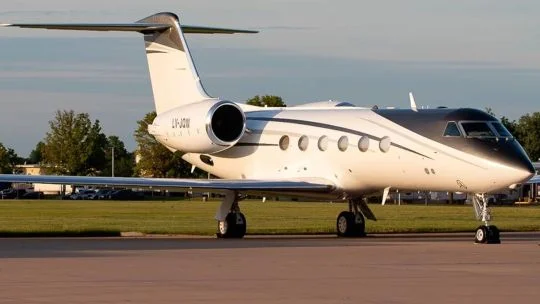
The investigation is examining possible failures in immigration checks and whether officials facilitated Bolsonaro’s arrival and departure. Argentine authorities say he crossed by land from Brazil on Tuesday night and took off soon afterward from Puerto Iguazú. His route from Brasília to the border remains unclear. That gap matters: the inquiry’s immediate focus is Argentina, but establishing when and how the journey reached the country could clarify what Argentine agencies had a chance to observe.
Questions over the airport departure
Immigration authorities allowed Bolsonaro and his family to enter using Brazilian documents. Reports also describe a special security detail involving vehicles belonging to the Yacyretá binational hydroelectric dam and members of the SIDE intelligence agency. Presidential adviser Santiago Caputo is alleged to have organized the detail; the inquiry has yet to establish what role, if any, officials played in the trip. These accounts raise a practical question for investigators: whether the reported security presence was connected to ordinary travel arrangements or involved public resources in a way that requires explanation.
Cabinet Chief Diego Santilli said publicly that Bolsonaro’s transit through Argentina was legal because “there was no impediment from Interpol.” That statement addresses one question about whether he could travel, but it doesn’t resolve how officials handled the crossing or departure. The judge’s requests are intended to clarify how the border crossing and airport departure were handled. The distinction matters: a trip can be permitted while still raising questions about the procedures and assistance surrounding it.
Accounts of Bolsonaro’s arrival at the airport differ. Argentine media reported that television crews filmed him entering in a van. An aviation source told AFP that he had already boarded the aircraft by then, using another entrance. The discrepancy makes the surveillance requests especially relevant, though the available accounts don’t establish which version is correct. A camera record could settle the sequence of events, but it may still leave unanswered who coordinated the movements.
Private jet payment traced to US account
Luis Grande, owner of Baires Fly SA, the company that flew Bolsonaro to Miami, told AFP that an aviation broker arranged and paid for the charter. Grande said he had known the broker for 10 years and described him as someone who sells flights and lives in the United States. His account identifies a commercial intermediary in the payment chain, but it doesn’t by itself establish who ultimately requested the flight or what the broker knew about the passenger.
According to Grande, the broker transferred US$150,000 from a company account at a US bank to an Argentine bank. Grande declined to identify the intermediary, who reportedly holds Argentine and US citizenship and lives in Florida. He said he didn’t know the broker’s client, and that the broker had told him he also didn’t know the client before the transaction. That leaves a gap between the person who paid and the person who commissioned the trip. In charter arrangements, a broker can sit between an aircraft operator and a customer, so investigators may need records from each step to establish how the booking was made.
The New York Times reported that the plane had allegedly been chartered by Jason Miller, an adviser to Donald Trump. The White House had not commented at the time of the report. The claim sits alongside Grande’s description of an unidentified client, but the available accounts don’t resolve that difference or confirm who arranged the flight. The payment trail is a lead, not a complete explanation.
What the records could establish
The central questions remain the same: who arranged Bolsonaro’s movement across Argentina, what airport controls recorded, and whether public resources supported the trip. The requested records and footage may provide the first detailed timeline of his passage through the country. They could also help distinguish between a permitted transit and any separate assistance by officials—two issues that public statements have so far tended to discuss together.
This is more significant than it looks. If you’re working in this space, the case is a reminder that cross-border travel can leave evidence across immigration systems, airport cameras, payment records and agency communications, each with different limits. And this is the part most people overlook: a timeline can show who was where, but it won’t automatically establish intent or responsibility. Here's the thing: investigators will need to connect those records before the competing accounts can be tested. The unanswered questions, for now.
Discussion
Sign in to join the discussion.