Understanding the Tactic of Internet Shutdowns in Protest Management
Published Oct 07, 2026Reads 1,311By Ephraim Percy Kenyanito
Governments are increasingly opting for internet shutdowns to prevent collective action during protests, raising serious legal and human rights concerns.
Cutting the Network: A New Tactic in Protest Management
It’s telling how some states choose to handle public dissent—often opting to sever internet connections rather than prosecute individuals. This strategy is more than a mere tech limitation; it's a calculated move to disrupt collective action before it even starts. In scenarios where crowds gather, the first instinct of certain governments has shifted away from direct legal repercussions toward a blanket shutdown.
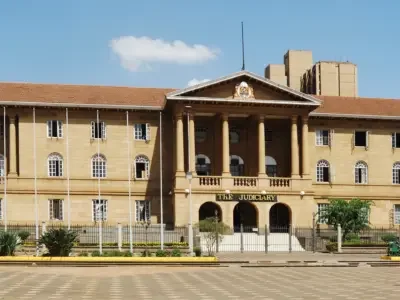
For instance, consider Algeria, which systematically cuts the internet during annual baccalaureate exams to prevent the circulation of exam materials. Similarly, in Kenya, authorities blocked access to Telegram during national exams in 2023 and 2024—not to silence dissenting voices, but to halt any potential coordination among students and those against the exam processes. This use of network shutdowns serves not just to mute conversations but to scatter potential gatherings, reinforcing a chilling effect that extends far beyond any single protest or occasion.
Shutting Down Networks: A Preemptive Measure
This tactic raises significant questions about the legal frameworks surrounding the right to protest. The methods of intervention during protests vary widely. One common approach is for governments to target individuals, using laws relating to cybercrime or misinformation to crack down on outspoken critics. I’ve tracked around 70 instances annually since 2014 where individuals faced prosecution for online activities across numerous African nations. Examples abound, from Ethiopia’s Zone 9 bloggers in 2014 to recent actions against journalists in Mali, showing a systemic pattern of stifling speech at the individual level.
Yet, when dissent manifests in larger groupings, an alternative methodology emerges. Governments, instead of arresting, resort to the radical option of disconnecting entire networks. This tactic is decidedly more pervasive and insidious. It evokes a sense of uncertainty—how do you engage politically if the channels for communication are suddenly cut off? The dismissive nature of this approach can easily sidestep discussions about the rights to assembly and expression under the African Charter.
The Legal Implications of Shutdowns
There’s a normative gap here that needs addressing. Shutdowns are frequently litigated as freedom of expression violations under Article 9 of the African Charter on Human and Peoples’ Rights. However, Article 11—the clause granting the right to free assembly—remains neglected. With states cutting networks rather than prosecuting individuals, there’s a real risk of framing this issue narrowly, ignoring the broader implications for collective rights.
The distinction is vital. Article 9 speaks to the preservation of opinion and expression “within the law.” Meanwhile, Article 11 only allows for “necessary restrictions,” making it clear that states should enable rather than obstruct assembly. It’s not merely an academic consideration; this framing can influence how courts respond to shutdowns.
In testimonials from diverse countries, like Cameroon and the Democratic Republic of Congo, the impact of targeted network shutdowns has been stark. In both places, internet accessibility was lost for extended periods as a state maneuver to stifle opposition—highlighting the urgency of revisiting how these actions are categorized in courts and the international context.
What This Means for Activism
If advocates want to shift the narrative and hold governments accountable, they must prioritize the right to assembly in arguments against shutdowns—not just mention it as an afterthought. The recent case in Senegal illustrates this point; although the court acknowledged the violations of freedom of expression and the right to work due to shutdowns during protests, it didn’t consider the assembly claims timorously due to a lack of emphasis.
This oversight is symptomatic of a broader issue—there's an urgent need to foreground assembly rights in legal frameworks and arguments. The 2017 African Union Guidelines on Freedom of Assembly offer a pathway, suggesting that states should actively support public gatherings. However, it’s essential that activists put these principles into practice in courts, pushing for accountability wherever unjust actions occur.
In a rapidly digitalizing world, the right to protest online must be navigated carefully, reaffirming that these rights exist even when networks go silent. Governments have long demonstrated which rights they infringe upon every time they unplug the internet during dissent. Now, the onus is on civil society and legal advocates to articulate and defend the digital freedoms that the state continuously threatens.
Discussion
Sign in to join the discussion.