President Trump's push for permanent daylight saving time has ignited renewed discussions among lawmakers, highlighting divisions on the issue.
The Renewed Debate on Daylight Saving Time
The conversation surrounding daylight saving time (DST) is heating up once again, this time fueled by President Trump’s call for action on a bill that would make DST a permanent fixture. His public endorsement emphasizes a significant push for reform within Congress. The debate has flared like a seasonal argument—every year, as the clocks shift, so does public opinion. There’s a growing chorus of voices from both sides now proposing that the time when we set our clocks backward and forward should be eliminated altogether. Polling over the years has shown this isn't merely a partisan issue; finding a sustainable federal approach to time changes garners support across a spectrum of political ideologies.
Trump's Influential Endorsement
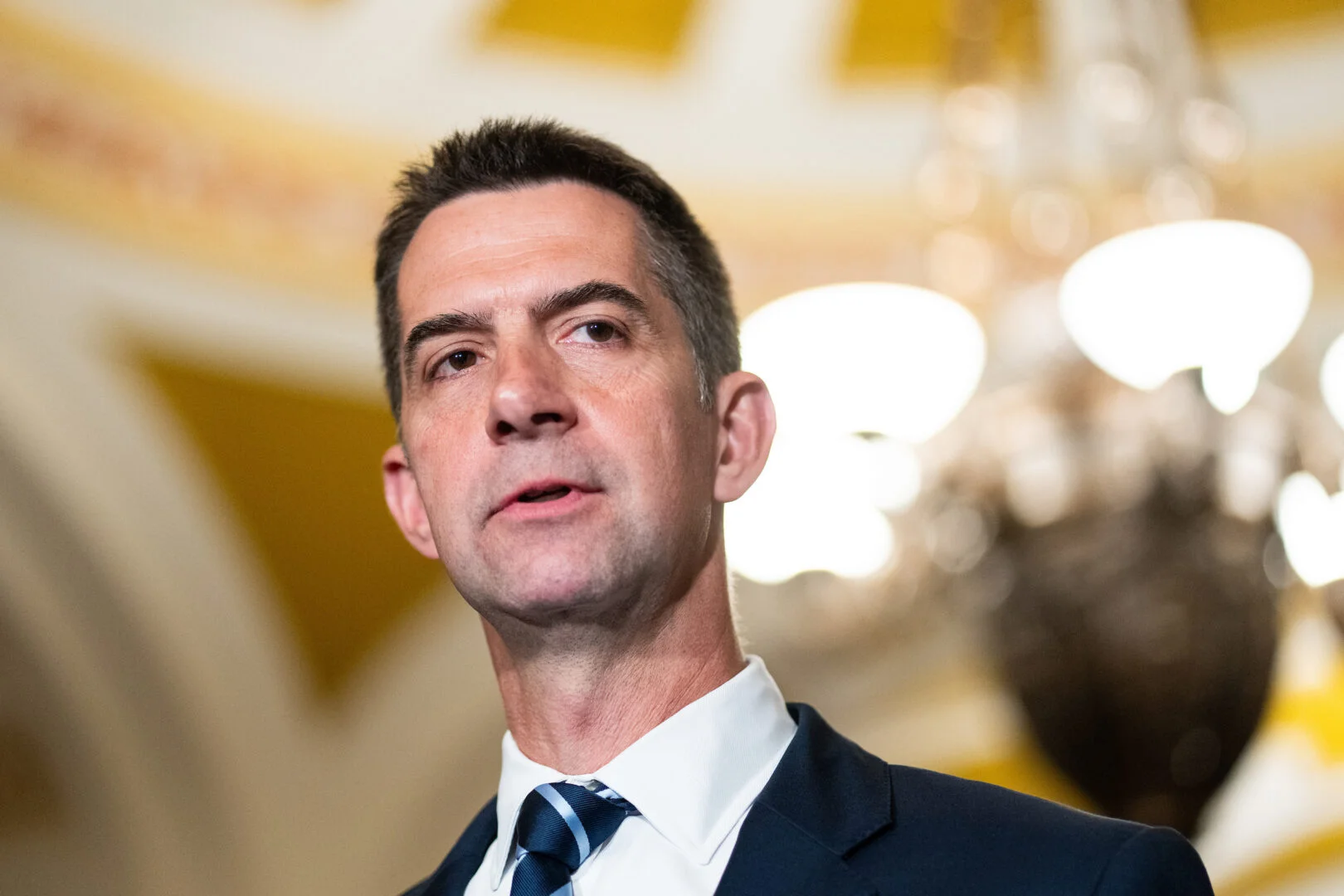
In a recent social media post, Trump identified Senator Tom Cotton, a Republican from Arkansas, as a key opponent of this initiative. By sharing Cotton's cellphone number, Trump encouraged constituents to express their support for the proposed legislation. "To the Great People of Arkansas, please let your Senator know it would be a GREAT Bipartisan WIN for the United States Senate," he stated, clearly signaling his desire for a swift resolution. This tactic, while unorthodox, reflects Trump's continued flair for rallying grassroots support. It’s a strategy that could embolden constituents who might otherwise shy away from directly contacting their representatives. Does this approach signal a broader strategy for Trump as he continues to navigate a complex political environment?
Senator Cotton's Caution
The communication strategy, while provocative, prompted a direct inquiry from CQ Roll Call. They reached out to Cotton for his thoughts on being publicly named and the daylight saving time debate itself. Cotton refrained from direct commentary on being doxxed but took to social media to outline his stance, which emphasizes the potential drawbacks of permanent daylight saving time. He noted, "No one likes changing the clock, me included, but Congress has enacted permanent Daylight Savings Time multiple times before and repealed it each time once Americans experienced absurdly late sunrises in the winter." Cotton’s perspective highlights a reality often overlooked in this ongoing conversation: the implications of time change on daily life. The potential safety and health impacts associated with darker mornings can’t be ignored, especially when it comes to school children and morning commuters.
The Role of Regional Voices
Senator Katie Britt, representing Alabama, also weighed in on the issue after conducting a Senate session. She acknowledged the general support for DST in her home state and indicated she hopes to foster open discussions around the topic when Congress reconvenes. Her sentiment speaks to the broader regional preferences that could influence legislative outcomes. If you're working in this space, consider how local traditions and lifestyles shape perspectives on DST. In states where early evenings are valued for economic activities, the stakes are even higher.
The Legislative Process: A Bipartisan Move?
The House of Representatives passed the “Sunshine Protection Act” spearheaded by Florida Congressman Vern Buchanan in July, with a decisive vote of 308-117. This bill aims to establish permanent daylight saving time while allowing states the option to opt for standard time if they so choose. This dual approach seems to cater to varying regional preferences across the nation. And yet, the question remains: are our lawmakers responding to constituent preferences, or just engaging in political theatrics? Public sentiment appears polarized, and while many support the elimination of time changes, others are reluctant to relinquish their familiar routines.
Historical Context: Lessons from the Past
It’s noteworthy that most states will transition to DST on November 1, shifting clocks back one hour. This kind of adjustment has historical context; the U.S. briefly experimented with permanent daylight saving time in December 1973, during an oil crisis aimed at conserving energy. Initial reports indicated a slight energy savings, but public dissatisfaction over late winter sunrises led to its early termination. That experience offers a cautionary tale—what seems like an appealing change could backfire in practice. The findings echo throughout politics: reforms are often much more challenging than they initially appear.
Ongoing Changes and Future Outlook
The 2005 Energy Policy Act extended daylight saving time by changing its start and end dates to March and November, respectively. This adjustment has led to marginal energy savings, but it hasn't quelled the ongoing debate surrounding the suitability of changing clocks. The reality is complex. Proponents argue for the benefits of extended daylight, citing potential economic and mental health advantages. Yet, opponents raise valid concerns about the societal impacts, particularly regarding sleep disruption and its broad implications.
Implications and Significance of Permanent DST
The implications of making DST permanent extend far beyond simple clock adjustments. This could reshape everything from retail patterns to transportation schedules. Think about the early morning light affecting everything from crime rates to agricultural practices. A shift in timekeeping might lead to significant lifestyle changes. Most importantly, this isn't merely a policy issue; it's about people's daily lives and routines. With ongoing discussions about mental health and well-being, the timing of sunlight could play a larger role than most are willing to admit. As lawmakers hammer these issues out, the onus falls on them not just to legislate, but to genuinely assess what their constituents actually want.
Contributions to this report were made by John T. Bennett, Mark Schoeff Jr., and David Jordan.
Discussion
Sign in to join the discussion.