While maternity leave in Bangladesh has increased to 120 days, garment workers still grapple with inadequate childcare options, complicating their return to work.
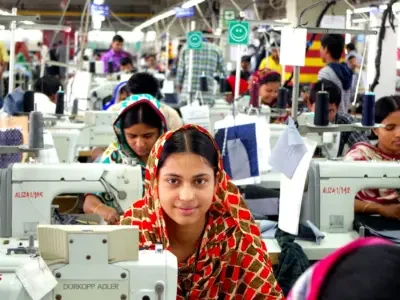
In April 2026, Bangladesh's Parliament enacted a change to the labor law, increasing maternity leave for eligible workers from 112 to 120 days—roughly four months. However, this extension raises a significant concern: once the leave concludes, who is there to care for their infants during grueling shifts that can stretch from 10 to 14 hours?
The struggle isn't confined to garment workers alone; it affects many working mothers throughout Bangladesh. A reliance on relatives or informal care networks is common, as the availability of affordable, quality childcare remains scarce. The International Labour Organization (ILO) has pointed out that the traditional care system, heavily reliant on family, is under strain due to evolving work patterns and migration trends. For low-income workers dealing with long or unpredictable schedules, the situation becomes particularly daunting.
As international brands shift their focus to maternity policies, breastfeeding rooms, and on-site daycare facilities as signs of advancement, the real test lies in whether these facilities are genuinely accessible to workers during long shifts.
Consider the experience of Morsheda, a 33-year-old garment factory worker from Gazipur, who returned to work after four months of maternity leave while her five-month-old baby stayed with the paternal grandmother. Her day begins with household tasks before she heads to work, where she walks a challenging tightrope of productivity and childcare responsibilities.
“Buyers often come in and discuss worker rights, but our workload remains unchanged,” Morsheda recounts. “We still put in at least 10 hours a day, often clocking 13 or 14 hours with overtime. I’ve worked from eight in the morning until ten at night, and my body has had to bear the brunt of that.”
Yet, despite her factory housing a breastfeeding room, accessing it isn't as straightforward as it seems. “The breastfeeding room was always there. But there was no one to bring my baby to me.” Previously, Morsheda had relied on her mother to bring the infant, but that option waned, forcing her to depend on the grandmother to make two trips a day.
“I have to finish my production target before I can leave; otherwise, the supervisor gets upset,” she explains, highlighting the persistent pressure to meet expectations despite her childcare challenges.
Mina, another garment worker from Rangpur, shared her concerns during a phone interview. With roughly 20 years in the industry, she initially received only 56 days of maternity leave and faced similar dilemmas. Her mother assisted for a time while the child was an infant, but eventually, the burden shifted to hiring a caregiver, which became unaffordable, leading her to make the difficult choice of leaving her child at the factory daycare. Sadly, her child fell ill there, prompting her to withdraw him from that facility.
A Critical Childcare Gap
Morsheda and Mina's experiences aren’t isolated. Many garment factories in metropolitan areas report insufficient or poor-quality daycare offerings. At Morsheda’s factory, with about 3,000 workers and nearly 2,000 women, only 12 to 13 children can be accommodated in the daycare, served by a mere two caregivers. Concerns surrounding hygiene and the overall quality of care further complicate the situation.
The ready-made garment sector is vital to Bangladesh's economy, generating over USD 36 billion in exports and employing approximately 4.5 million people, with women comprising more than 57 percent of the workforce. This economic contribution has unlocked paid employment opportunities for many women, yet they continue to shoulder the majority of unpaid domestic labor. According to a national Time Use Survey, Bangladeshi women spend over seven times as much time on unpaid care compared to men. An ILO-supported study indicated that 54 percent of working parents perceive inadequate childcare as a significant barrier to women's employment.
Bangladesh's labor law mandates establishments with over 40 female workers to have suitable rooms for children under six, accompanied by trained female caregivers. However, the real barriers remain capacity limitations, staffing deficits, and the practicality of using these facilities during long production hours.
Insights Beyond Bangladesh
On a broader scale, the ILO estimates the global garment sector employs around 94 million workers, with almost 60 percent being women. Legal support for mothers varies by country; for instance, Vietnam offers six months of maternity leave alongside daily paid breaks for nursing mothers. Cambodia also provides maternity provisions, including paid breastfeeding time and childcare support for employers of a certain size.
However, having legal provisions doesn't guarantee access. In Vietnam, research highlighted that 74.8 percent of the textile workforce is female, yet many worked more than 49 hours a week in 2023. Moreover, public nurseries in industrial areas are often limited, and the financial burden of private care can be excessive. Similar narratives of reliance on family care have emerged from Cambodia, where workers frequently juggle job demands and childcare responsibilities with little institutional support.
Towards Holistic Support Systems
The increasing understanding that support for working mothers should encompass more than just maternity leave is reflected in initiatives such as the ILO and UNICEF's Mothers@Work initiative. It outlines minimum standards that include paid maternity leave, thoughtful childcare options, flexible work hours, healthcare benefits, and protections against discrimination. A 2022 ILO assessment recognized improvements in maternity and breastfeeding policies but underlined the ongoing challenge of balancing work and childcare.
The accounts of Morsheda and Mina, while not unique to particular brands, shed light on an intricate childcare crisis faced by many workers. Recent legislative changes, such as the extension of maternity leave to 120 days, have improved formal protections for working mothers, yet persistent childcare challenges continue to undermine these advancements.
Ultimately, as the global fashion industry pushes for more responsible sourcing, a genuine commitment to supporting the mothers behind the clothes is paramount. It’s not just about meeting quotas or fulfilling compliance; it’s about creating a supportive framework that recognizes the dual roles these women play as workers and as caregivers.
Discussion
Sign in to join the discussion.