Princess Diana's turbulent relationship with her stepmother Raine Spencer is explored in detail, revealing years of familial conflict and resentment.
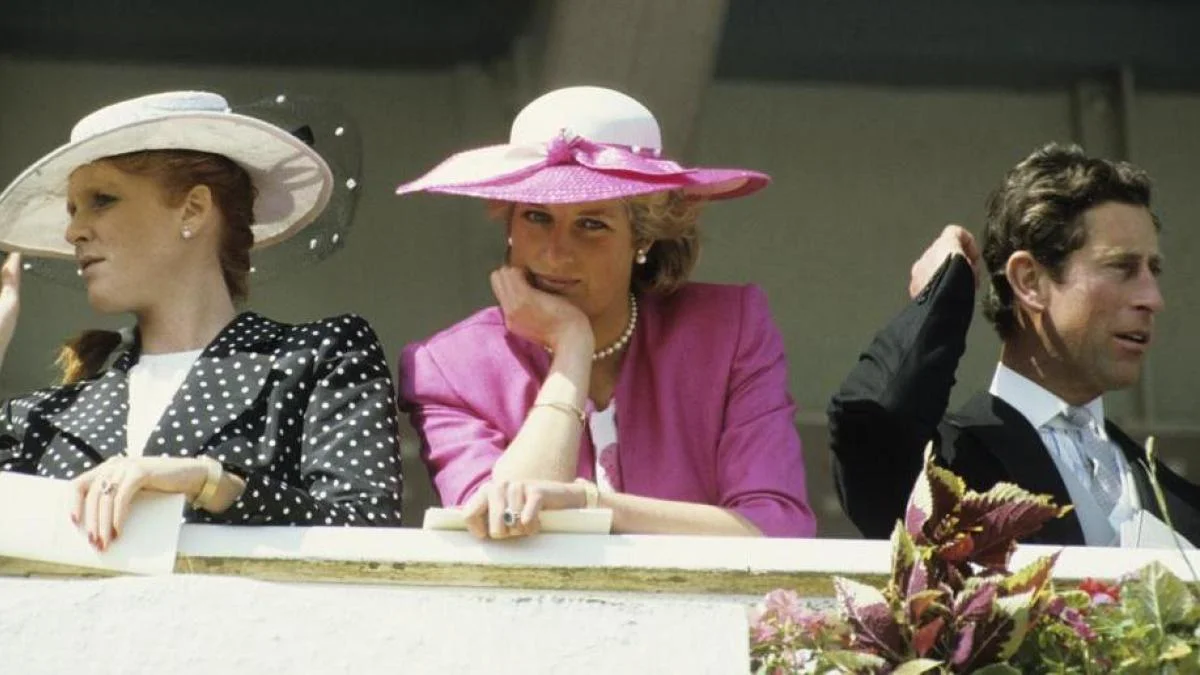
Charles Spencer's recent book on his sister, Princess Diana, uncovers a tumultuous chapter in her life—her fraught relationship with Raine, her stepmother and John Spencer’s second wife. For Diana, who was just a child when her parents divorced, Raine represented a deeply felt disruption in her family.
Characterized as a "villain" in the eyes of Diana and her siblings, Raine became an unwelcome figure when she married John Spencer following his separation from Diana's mother, Frances Roche. The Spencer family did not hold back their disdain, with the siblings coining the nickname "Acid Raine" as a pointed jab at her perceived toxicity in their lives. Charles Spencer reveals, "Diana hated Raine even more than the rest of us,” emphasizing the depth of the animosity.
Charles's book, El canto del cisne. Diana, mi hermana, sheds light on how these feelings of resentment took root. At age seven, Diana faced her family’s painful split, which thrust her and her siblings into John Spencer’s care while their mother grew increasingly distant. Raine's arrival symbolized a new threat, further complicating the emotional landscape for Diana, who felt displaced by Raine's presence.
The Disruption of Family Dynamics
Raine's background arguably exacerbated the situation; raised by prominent novelist Barbara Cartland, she broke the mold of the typical aristocrat interested only in social obligations. Instead, Raine carved out a path in politics, becoming one of the youngest women elected in Westminster, offering a stark contrast to the expectations set for women of her standing.
The tension peaked in 1976 when Raine married John Spencer, a ceremony that Diana and her siblings notably boycotted. The familial atmosphere turned particularly volatile when a shocking incident occurred: Diana allegedly pushed Raine down the stairs after a cutting remark regarding her intelligence and marriage to Prince Charles. Charles recounts, “Diana paused, surprised by the intensity of the slam, then stepped forward and knocked Raine down the carpeted stairs.” Fortunately, Raine emerged mostly unscathed, continuing with her day, but the incident underscored the simmering anger between the two.
Despite Diana rising to global fame after marrying Prince Charles, Raine's role diminished as she remained in the background. However, the death of John Spencer in 1992 reignited tensions. The tension boiled over again when Diana confronted Raine's maid, claiming belongings that were rightfully her father's had been taken, manifesting years of pent-up frustration towards Raine’s influence on their family.
Shifting Alliances Amidst Personal Turmoil
Following their father’s death, both women faced significant changes in their lives. The subsequent blows to their respective statuses led to unexpected moments of camaraderie. Diana publicly reconciled with Raine, sharing meals and appearing in public together, including a notable outing in 1997 to view a collection of Diana’s dresses that were set to be auctioned for charity.
Yet, Charles raises questions about the authenticity of this reconciliation. He proposes that their newfound friendship was layered with ulterior motives, suggesting, "In the last years, it seemed Diana was trying to provoke our mother by appearing cozy with Raine in public.” The complexity of their relationship seemed more tied to competition and family dynamics than true affection.
Interestingly, during this period, Raine introduced Diana to Dodi Fayed, a connection that would have significant ramifications for Diana's final days. After the death of Diana's father, Raine sought employment within Harrods, leveraging existing friendships to secure a position that would ultimately intertwine their fates.
As Diana navigated the tumult of her family life and transitioning into the public eye, her relationship with Raine remained a poignant reflection of the insecurities, rivalries, and bonds that defined the Spencer family. Ultimately, it is a story that transcends simple familial relationships; it speaks to the complexities inherent in navigating personal loss, rivalry, and the search for belonging.
Charles Spencer's revelations provide a lens through which we can better understand the intricate network of relationships that shaped Princess Diana’s life, marking not only her triumphs but also her trials.
Discussion
Sign in to join the discussion.