This article examines the erosion of journalistic credibility in the face of misinformation and the challenges that modern journalists face.
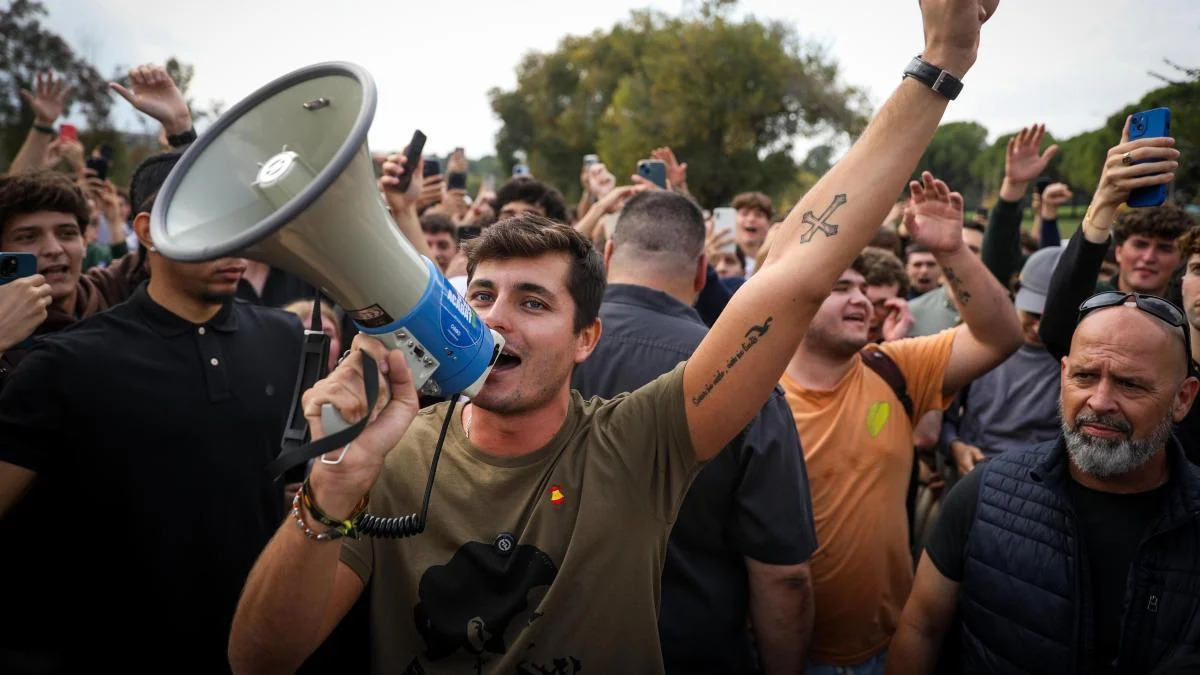
When I began my career as a journalist—yes, I’m a bit of a dinosaur—reporters were the relentless truth-tellers who exposed lies that toppled U.S. presidents and called out the realities of wars, like Vietnam, shattering the government's optimistic narratives. Today, the situation feels starkly different. With people like Vito Quiles making headlines, it’s clear that journalists are now often viewed with skepticism, even facing accusations of dishonesty that cast shadows over the entire profession.
The Changing Face of Journalism
The landscape of journalism has shifted dramatically over the decades. Once the bastions of truth and accountability, newsrooms are now often scrutinized under a lens of distrust. Vito Quiles’ controversial actions serve as a reminder of how the integrity of journalism can be compromised. He embodies the qualities that have led to public disillusionment—prioritizing personal gain over ethical standards. That conduct doesn’t just affect a single journalist; it contributes to a larger perception that the media may not serve the public interest as it should, raising questions about who we trust as sources of information.
Issues of Credibility and Accountability
Identifying the specific qualities required from journalists is a complex task. However, I firmly recognize the traits that disqualify them. Vito Quiles, like many propagandists from various political spectrums, exemplified these disqualifying characteristics. The recent decision by Congress to revoke his credentials was warranted, considering the gravity of his offenses. Yet, this raises further questions: how accountable should journalists be, and who decides the criteria for their disqualification? Are the lawmakers, themselves often caught up in various scandals, in a position to judge the actions of journalists who act unethically? The irony is palpable.
The Senseless Culture of "Everything for Free" Destroys Journalism
The Prevalence of Misinformation
The prevalence of misinformation through social media has dealt a serious blow to journalism, acting as a Trojan horse against democracy. Unlike my perspective, these platforms are here to stay, creating an environment rife with disinformation that reinforces existing biases. Misinformation has a way of spreading faster than verified news, leading to a public that often consumes only what aligns with their pre-existing beliefs. Is it any wonder we find ourselves in a polarized state? When you add into the mix the misguided notion that information should come without a cost, journalism's integrity rapidly declines as the quality of information suffers. The result? A society that becomes increasingly hesitant to accept any reporting at face value.
The Challenge of Reshaping Perceptions
Why, after all, would anyone prefer to be a meticulous journalist working to verify facts rather than a flashy figure like Vito Quiles, who seems more concerned with chasing fame? If you're working in this space, you know that the lure of sensationalism can overshadow the effort of ethical reporting. Journalists like Sáenz Guerrero, Indro Montanelli, and Ben Bradlee were not just reporters; they were champions of truth. Their worth is measured not just in the stories they uncovered but in maintaining the trust of the public. Nowadays, reputations can be shredded in moments, and the persistent noise of social media often elevates sensationalist voices over those committed to fact-based reporting.
The Future of Journalism: A Road to Redemption?
Nonetheless, rigorous journalism will eventually reclaim its rightful place. Yet, that may require enduring more debacles like the one surrounding Quiles. The public's relationship with journalism is at a pivotal crossroads. Trust can’t be restored overnight; it demands a combined effort from journalists, media outlets, and even tech companies that host news content. The revival of trust in journalism hinges not only on our vigilance, but also on the way the public, businesses, and political entities choose to engage with the profession during these challenging times. It’s a complex dance, balancing innovation in news delivery while upholding the principles of accountability and transparency.
What this means for you, the reader, is significant. You have a role in this narrative. Consuming news critically, questioning sources, and demanding quality reporting can pressure media outlets to aim higher. The outcome affects not only our livelihoods but the stability of democratic societies. Trust isn’t given; it must be earned, and that road will be laden with challenges. (And this is the part most people overlook.) It's not just the journalists or the platforms—they're all players in a much larger game that affects the fabric of our society. The journey to restore the integrity of journalism will be long and complicated, but it's a journey worth embarking upon.

Discussion
Sign in to join the discussion.