Lionel Messi is on the verge of buying a majority stake in Spanish club Eldense, adding to his growing portfolio of football investments.
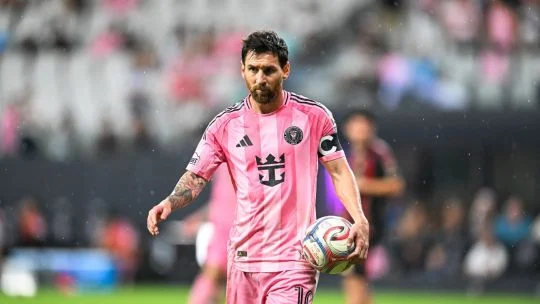
Lionel Messi is reportedly close to finalizing a deal to acquire a majority stake in Eldense, a second-division football club in Spain. This development comes from a local news outlet, EFE, which suggests that the final terms could be settled imminently pending due diligence.
About Eldense
Eldense, established over a century ago in Elda, Valencia, has a complex history marked by fluctuations between the second and third divisions and even regional leagues. Founded in 1921, the club has grappled with various challenges, including financial instability that nearly led to its demise in the early 2000s. Its journey through Spain's tiered football system is a testament to the struggles many local clubs face. Today, Eldense competes at a stadium with a capacity for about 5,776 spectators, located in the historic town of Elda, known for its rich cultural heritage and passionate local fanbase. This intimate setting offers an intriguing contrast to the grand arenas of top-flight football, where community roots can sometimes get lost.
Messi's Expanding Football Ventures
If this acquisition occurs, it will mark Messi's second football club purchase in Spain within a year; earlier, he bought Unió Esportiva Cornellà, a fifth-division team, in April. This move signals a significant shift in Messi's career. Beyond his legendary status as a player, he seems to be transitioning into a new role in football management and ownership, areas often dominated by former players who wish to stay connected to the sport. By entering into Club ownership, Messi can influence decisions from the ground up, affecting player recruitment, training methods, and even community engagement—elements that are often overlooked by big-name athletes after they hang up their boots.
Aside from football, Messi is diversifying his business interests. He co-founded a club in Argentina called Leones, holds an ownership stake in a Uruguayan club with fellow player Luis Suárez, and has an option to invest in Inter Miami, where he currently plays. Each of these ventures speaks to a broader strategy; it isn’t just about owning a team but about building a network of influence across different leagues. If you're working in this space, this strategy might look familiar. Many former athletes are moving towards ownership roles to maintain their legacy and impact the sport at various levels; Messi is simply taking it a step further by creating a portfolio that spans multiple countries.
Broader Business Interests
Messi’s business portfolio is extensive, encompassing a real-estate investment trust in Spain, a venture capital fund based in the U.S., and stakes in an Argentine restaurant chain. His approach to personal finance illustrates a savvy understanding of financial diversification, setting him apart from many peers who focus solely on sports-related incomes. With a net worth that’s been estimated to be over $1 billion, Messi stands among a select group of athletes. He joins the ranks of his long-time competitor Cristiano Ronaldo, who owns the Spanish team Almería, alongside a host of lucrative endorsements and businesses. The competition in that exclusivity club must be fierce; after all, only a handful of athletes successfully navigate the path to billionaire status.
While a representative for Messi has remained tight-lipped about the acquisition, the impending deal underscores Messi’s keen interest in impacting football from a managerial perspective. This is more significant than it looks at first glance. By getting involved in club ownership, Messi is taking proactive steps to mold the future of football in ways that extend beyond his playing career. His decision highlights a growing trend among elite athletes who see value not just in their performance but in the long-term health of the sport.
Implications and Future Outlook
The implications of Messi's potential involvement with Eldense extend beyond just the financial commitments he might make. His approach could set a precedent for how athletes transition from playing to owning teams. It raises questions about accountability, community engagement, and the responsibility athletes have to the clubs they invest in and the fans they inspire. How these investments are managed could also influence whether more players follow suit. There's a possibility we'll see an uptick in athlete-led ownership in football, reflecting a changing attitude toward what it means to be a retired athlete. However, success isn't guaranteed, and many former players have found navigating ownership’s complexities to be daunting.
As Messi embarks on this new chapter, the football world will be watching closely. Will he be able to transform an underdog into a contender? Or will the realities of club management prove more challenging than anticipated? Either way, this burgeoning involvement may ultimately redefine Messi's legacy—one that could outlast his already illustrious playing career.
Discussion
Sign in to join the discussion.