Argentina's unemployment rate has risen to 7.9%, marking the highest level since 2021, with implications for the nation’s workforce landscape.
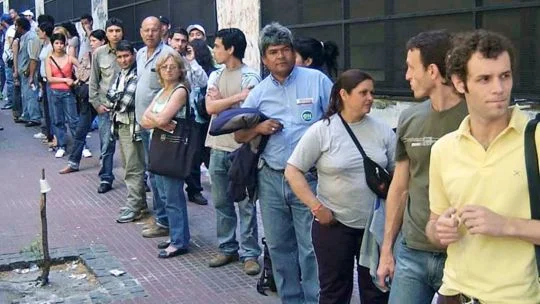
Argentina's unemployment rate has surged to 7.9% for the second quarter of this year, reflecting a growing number of individuals actively seeking employment.
Current Unemployment Trends in Argentina
This figure is up 0.3 percentage points compared to the same period last year and represents a slight increase of 0.1 points since the first quarter of 2023. Currently, 48.9% of the population is classified as economically active, while 45% are employed. These statistics indicate a challenging job market that’s impacting many in the country. Understanding the nuances behind these numbers is crucial for grasping the economic climate in Argentina.
The percentage of the economically active population is significant. It's not just a number; it’s an indicator of how many people are looking for jobs or are available to work. The increases in the economically active population, which has risen by 0.8 percentage points year-over-year, suggest that more people are either becoming optimistic about their job prospects or are being driven into searching for work out of necessity. This shift can often be attributed to various factors including economic downturns, policy changes, and social dynamics.
Definition of Unemployment Statistics
The 7.9% unemployment statistic pertains specifically to individuals available for work and actively searching for employment, as reported by the INDEC national statistics bureau. This definition clarifies the notion of unemployment, highlighting how it doesn’t account for those not actively seeking work, which can include discouraged workers or individuals who have moved to different forms of informal employment.
What's troubling here is that while the overall employment and unemployment figures haven't shown significant year-over-year changes, the economy is experiencing more underlying strains. This often masks deeper issues, such as economic disenfranchisement or job quality. When people are forced into a situation where they must seek informal work due to a lack of opportunities, it highlights a gap that needs addressing.
Informal Employment and Economic Pressures
Interestingly, informal employment has also risen, increasing by one percentage point compared to the previous year. Urban areas are particularly affected, demonstrating statistically significant hikes in unemployment (7.6%) and underemployment rates (9.1%), with increases of 1.3 and 0.9 percentage points, respectively. The rise in informal employment often suggests that traditional sectors aren't absorbing workers as effectively as before. This can lead to a cycle of vulnerability for workers, as they may not receive benefits such as healthcare, retirement savings, or job security.
Moreover, the proportion of self-employed individuals in the informal sector has grown from 34.3% to 37.3%, reflecting shifting employment patterns amidst economic challenges. Informal employment typically comes with its own set of risks and challenges. Workers in this sector often lack contracts, which leaves them unprotected by labor laws. Additionally, they may have limited access to credit or business training opportunities. This situation presents a worrying outlook for the Argentine workforce, as more people seem to be opting for jobs that are less stable but provide immediate subsistence.
Implications and Future Outlook
So, what does all this mean? If you're working in this space, whether as a policymaker, business owner, or jobseeker, it underscores the pressing need for reforms. Addressing unemployment in Argentina will require targeted strategies; mere statistics aren't enough to provide the solutions needed. Government policies will play a vital role in shaping the job market. How they respond to these trends can drastically alter economic trajectories.
This scenario isn't unique to Argentina. Other nations facing similar economic pressures have experimented with various policy interventions, such as vocational training programs, incentives for small businesses to hire, and reforms aimed at easing the transition from informal to formal employment. In many cases, these efforts met with mixed success; public sentiment often drives the legitimacy and effectiveness of such measures.
And yet, the numbers can be misleading as they often don’t capture the real struggles faced by individuals. Informal employment rising could indicate resilience among workers, but it’s more likely highlighting a desperate need to survive. This issue requires scrutiny; a focus solely on the numbers might obscure more significant socio-economic trends.
As Argentina navigates these challenges, stakeholders must consider how best to create job opportunities that offer stability and dignity. The road ahead isn’t straightforward, but the pressure for meaningful change remains high.
– TIMES/NA
Discussion
Sign in to join the discussion.