Pope Leo XIV heard from five abuse survivors in Argentina and pledged stronger Church protections as scrutiny continues over local cases.
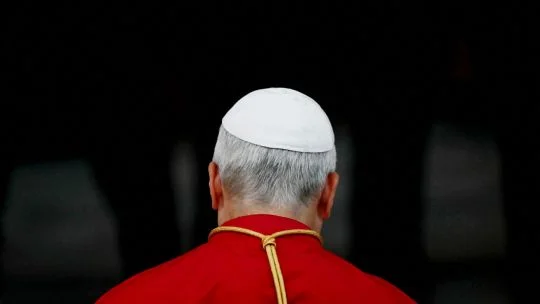
Pope Leo XIV’s meeting with five survivors of clerical abuse in Argentina puts the Church’s promises on protection under renewed scrutiny. The encounter, held Monday during his South America tour, came as an Argentine survivor network criticized the institution for failing to uphold its stated “zero tolerance” policy. That timing gives the meeting weight beyond its private setting: it places a public commitment alongside a criticism that the policy hasn’t been carried out as promised.
The Vatican said Leo spoke individually with each survivor, hearing accounts of abuse and their proposals for supporting healing. The meeting lasted more than an hour. The survivors had experienced abuse by clergy or in Church institutions in Argentina; the Vatican didn’t disclose when or where it occurred. That limited public account leaves important questions unanswered, including what the survivors asked the Church to change and how their proposals might be considered.
A meeting can offer survivors a chance to be heard, but it can’t by itself establish whether an institution’s protections work in practice. The distinction matters: listening is an act, while prevention and support depend on decisions, procedures and follow-through beyond the room.
A pledge amid continuing scrutiny
Leo conveyed his support to the five people he met and, through them, to others he couldn’t see, the Vatican said. He also committed to strengthening Church measures for protection, well-being, welcome and accompaniment. The statement didn’t provide details about what changes those commitments would involve. Without that detail, the pledge signals intent but offers little basis for judging what will change or how progress might be recognized.
The meeting took place against a wider record of abuse allegations and cover-ups that have shaken the Catholic Church internationally. Argentina’s current cases add a local test of how the institution responds to allegations and supports survivors. The broader history gives the language of “zero tolerance” a demanding standard: a policy’s value rests on how it guides action when allegations arise, not only on how clearly leaders state it.
For survivors, institutional support can mean more than a sympathetic conversation. It can involve being heard, receiving clear information and seeing concerns handled with care. The Vatican’s account says Leo listened to proposals for healing, but it doesn’t say what those proposals were or what response they received. That gap limits what the public can conclude about the meeting’s practical effect.
This is more significant than it looks. A pope’s direct encounter with survivors can draw attention to their experiences and the Church’s stated obligations, yet the meeting’s symbolic force may exceed what’s known about its consequences. (And this is the part most people overlook.) A promise to strengthen measures is not itself evidence that safeguards have changed.
Cases in Córdoba and Mendoza
On Tuesday, Leo was due to visit Córdoba province, where prosecutors are investigating allegations against priest Alejandro Nicola. The claims concern alleged sexual abuse in 2025 at a nursery operated by a Catholic school. The local Church has opened a preliminary inquiry. Nicola was seen celebrating Mass at Córdoba Cathedral in July, the venue the Pope was scheduled to visit. These details place the planned visit near an active investigation, though they don’t establish the outcome of the claims or the Church inquiry.
The distinction between an allegation, an investigation and a finding matters. Prosecutors are investigating the claims, while the local Church has opened its own preliminary inquiry; the available account doesn’t describe either process in further detail. For readers, that means the case remains unresolved in the information provided. Any assessment of the institution’s response will depend on what happens as those processes continue.
In Mendoza, courts in September sentenced a former nun to 20 years in prison for her role in the case involving the Antonio Próvolo Institute, a Catholic boarding school for children with hearing impairments. The case, which became public about a decade ago, exposed abuse of dozens of children over several decades. Its scale and duration underline why protection policies are judged not only by their wording, but also by whether concerns can be identified and addressed within institutions.
The Córdoba allegations and the Mendoza case are different in status and detail: one is under investigation, while the other has resulted in a sentence. Keeping that distinction clear avoids treating an unresolved claim as a proven fact, while still recognizing why current allegations draw attention in the wake of an established case. That said, both make the question of institutional response immediate for the Church in Argentina.
What the commitments will mean in practice
Leo’s promise now faces a practical measure: whether stronger safeguards and survivor support become visible in the Church’s handling of cases such as these. The Vatican’s statement gives no timetable, specific changes or criteria for assessing the commitment. That doesn’t show that no action will follow; it means the public account doesn’t yet say what action to expect.
If you’re working in this space, the useful questions are concrete: how are allegations received, what support is offered to survivors, and how are protection measures applied within Church institutions? The account of Monday’s meeting doesn’t answer those questions. It does establish that the Pope heard survivors directly and said he would strengthen measures, giving the institution a clear commitment against which future conduct can be considered.
There’s also a tension between the personal and institutional sides of the encounter. Individual conversations may help survivors describe what they need, but lasting support depends on whether an organization can carry those needs into its everyday responses. The Vatican says Leo heard proposals for healing; it hasn’t said how those proposals will shape policy or practice.
The promise is now on the record. The test will be whether survivors see changes in protection and support, and whether the Church’s response to cases in Argentina reflects the commitments it has made.
Discussion
Sign in to join the discussion.