Lula’s fourth-term victory reflects his enduring appeal among poorer voters, while Brazil’s divisions and questions over succession persist.
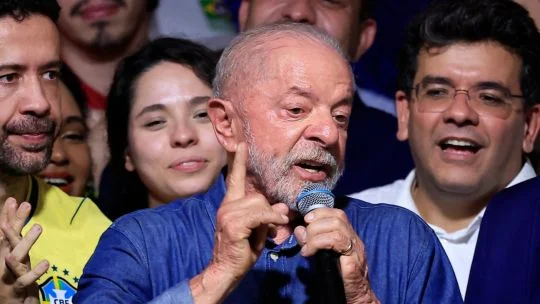
Luiz Inácio Lula da Silva’s fourth presidential victory shows how much his political strength still rests on personal history and social policy. At almost 81, he made Brazilian electoral history by winning a runoff after finishing second in the first round. The result keeps Latin America’s largest country under leftist leadership as the region shifts right.
His campaign also exposed a tension: a familiar story of poverty and political comeback still resonates with many voters, but it didn’t initially match the concerns of a polarised electorate. After trailing Flávio Bolsonaro in the first round, Lula turned to a more energetic runoff effort. He did squats and jogged at campaign events to answer questions about his age, then began posting selfie videos and bought his first mobile phone.
That late push suggested Lula’s campaign recognised a gap between his established political image and a population accustomed to online campaigning. His fourth win keeps him at the centre of Brazilian politics, but it doesn’t settle the divisions that have followed him for years.
A political career shaped by hardship and comeback
Lula grew up as the seventh of eight children in a family of illiterate farmers in Pernambuco, Brazil’s arid northeast. He worked shining shoes and selling peanuts before becoming a metalworker and union leader. A workplace accident in the 1960s cost him a finger.
After three unsuccessful presidential campaigns, he won office in 2002 and took up the presidency in Brasília in 2003. Re-elected in 2006, he left office in 2010 with a reputation as a champion of working-class Brazilians. A commodity-fuelled boom during his first two terms helped lift 30 million people out of poverty.
That record was later overshadowed by corruption scandals involving Lula’s party. Public anger helped propel Jair Bolsonaro to the presidency in 2018. Lula was jailed before that election, but the charges against him were annulled on procedural grounds after the judge overseeing the case was found biased. He was not exonerated, and the controversy deepened Brazil’s political divide.
In 2022, Lula returned to office by a razor-thin margin. His third term has included restoring social programmes cut back by Bolsonaro’s government, slowing the destruction of the Amazon rainforest and strengthening democratic institutions. Yet persistent frustration over crime and corruption continues to fuel opposition to him.
Social policy remains central to his appeal
Bolsa Familia, the welfare programme launched two decades ago, remains Lula’s most recognised legacy. His campaign increased the benefit, a move that drew criticism over election-season spending. Brazil’s rising public debt has also become a point of contention: high interest rates mean the government pays around US$18 billion a month in interest.
For supporters, the programme’s value is tangible. Fisherman Antonio Carlos Lima Ferreira, speaking to AFP at his home in Maranhão state, recalled a time when he sometimes had to send his son to bed hungry. “He has that love for the poor. That’s all it is,” he said. “Today, at my table, I can choose what I want to eat.”
Lula has said he doesn’t want to be remembered only as “the Bolsa Familia president.” Still, the programme’s place in his political story helps explain why his appeal endures among voters who associate his administrations with greater access to food and social support.
The succession question remains open
Lula has not cultivated a potential successor. In the campaign, he framed his return as a way to prevent the far right from coming back to “destroy” the country. Supporters at a leftist rally told AFP they feared a Flávio Bolsonaro presidency could erode rights. Civil servant Gustavo Monteiro, 58, called Lula “a symbol of the defence of democracy” and said he represented “the fight against political repression.”
Lula has spent more time in office than any other democratically elected leader in Brazil. “There is no-one in this country with more experience as president than me,” he told foreign media, including AFP.
His victory confirms that experience and personal history remain potent political assets. The next test will be whether Lula can use another term to address voters’ concerns and build a path beyond his own leadership.
Discussion
Sign in to join the discussion.