Heavy pollution from mining operations in the Democratic Republic of the Congo poses severe health risks while fueling global energy demands.
Severe Air Pollution Threatening Health and Lives
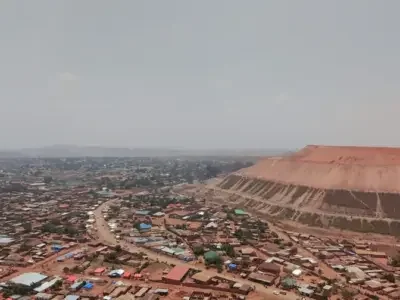
In Kolwezi, a city in the Democratic Republic of the Congo (DRC), a staggering 1,500 students and teaching staff at the Galaxy School are exposed to some of the most hazardous air quality on record. The school is alarmingly situated less than 500 meters from a mining waste disposal site, creating a toxic environment for its occupants.
Recent studies reveal that nearly 98 percent of the hourly measurements of fine particulate matter surpass the World Health Organization's (WHO) safety guidelines. These figures are corroborated by independent research conducted in the Lualaba mining sector, underscoring the grave implications for public health.
The Role of DRC in Global Energy Transition
The DRC's vast mineral resources, particularly its wealth of copper and cobalt, are critical for producing batteries and other technologies essential for the green energy transition. However, the environmental impact surrounding these mining activities raises significant ethical questions. Independent scientific investigations conducted by organizations such as Source International and AfreWatch have painted a dire picture of the situation, shedding light on the alarming extent of contamination.
Evidence of widespread air and water pollution around major industrial sites like Tenke Fungurume Mining and Mutanda Mining illustrates serious health risks for communities, particularly children, who have been voicing concerns about their deteriorating living conditions for years.
Consequences of Mining Activities
Reports indicate that local environmental degradation has reached critical levels. For example, at the Galaxy School, researchers flagged exceptionally high air pollution levels reflective of industrial mining processes. With students and staff breathing in air contaminated with harmful particles, the ongoing health implications are dire, reinforcing long-standing community allegations against mining corporations.
According to Nathan Nkulu, a community leader, "During the dry season, toxic dust from the mining operations invades our homes, impacting our quality of life." This sentiment is echoed by experts who describe the pollution monitoring results as among the most alarming globally.
Water Quality Deteriorating as Well
Researchers have not only identified hazardous air quality but also alarming levels of water contamination in local rivers and wells. Testing has uncovered elevated concentrations of metals such as copper, cobalt, and arsenic near mining operations, raising urgent public health concerns.
One troubling finding came from a well just 200 meters from a tailings pond, which was found to be 100 times more acidic than the safety threshold, causing potential long-term health risks for residents relying on that water source.
These findings have led some experts to label the area a "chemical time bomb," which underscores the chronic exposure faced by local communities, likely resulting in severe health issues ranging from neurological disorders to chronic illnesses.
The Irony of Renewable Energy Demand
While the DRC is often touted as a crucial contributor to the renewable energy landscape due to its mineral reserves, it leaves communities stuck in a cycle of pollution and human rights violations. Reports from organizations like the Initiative for Good Governance and Human Rights highlight widespread ecological degradation that threatens agricultural livelihoods. Families are witnessing their crops withering due to environmental pollution from nearby mining operations.
Moreover, as the DRC moves to clear land for mining projects, many residents are forcibly displaced, with their homes lost in the wake of expansion efforts.
Emerging Health Issues
The serious health ramifications of mining proximity have prompted health professionals to report an increase in respiratory issues including chronic coughs, nosebleeds, and other ailments associated with air contamination. Women's reproductive health has also posed alarming concerns, with local claims of increased miscarriages and genetic disorders. Although scientific data connecting these health issues to pollution are not yet concrete, the urgency for epidemiological studies is clear.
A Call for Accountability
Community leaders and local activists express frustration over the inaction from both mining companies and governmental entities. Emmanuel Umpula, Executive Director of AfreWatch, states, "The communities living adjacent to these mines pay a price for global energy ambitions. They aren't merely reporting problems; we have the scientific data to back their concerns." Outcry for enhanced regulatory measures and enforcement of environmental protections is gaining momentum.
The Continuing Demand for Copper and Cobalt
With global demand for copper and cobalt set to rise as the world increasingly turns to cleaner energy alternatives, the DRC's role will remain critical. However, it's this very demand that threatens local communities, putting their health and livelihoods at risk. As calls for corporate responsibility grow louder, communities await the enforcement of sustainable practices within the mining sector according to the "polluter pays" principle.
Discussion
Sign in to join the discussion.