A heart-wrenching account from the recent Nepal floods depicts the overwhelming destruction and the humanity of survivors caught in the disaster.
Nepali Times’ photographer finds his camera inadequate to capture the true scale of the tragedy
Originally published on Global Voices
In the aftermath of the devastating floods in central Nepal, individual stories surface, each one a testament to the fragility of life in the face of nature’s fury. A five-year-old girl, Kirti Tamang, witnessed the heartbreaking loss of her mother and sister to the rampaging waters. Injured but fortunate to survive, she found solace in the forest alongside two other children. Kirti hasn’t spoken since, burdened by trauma that no child should have to endure.
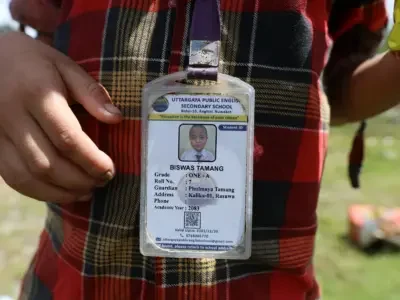
Meanwhile, Biswas Tamang, another child caught in the catastrophe, clutched his school ID as it dangled from his neck, a stark reminder of normalcy amid chaos. Discovered by his teachers, the ID became a lifeline, enabling them to reach his mother across districts. These narratives embody the profound personal losses that accompany the broader destruction.
As I absorbed the scene around me, the emotion enveloped me like the floodwaters that had wreaked havoc moments before. I hesitated to photograph, feeling that my camera could not do justice to the enormity of the tragedy. All I could do was witness their suffering and lend my presence, grappling with feelings of helplessness.
Read More: The day after the central Nepal flood
Our journey began before dawn, leaving Kathmandu at 4 a.m. As we ascended the pass at Tokha, brief moments of respite stopped us for tea, but soon the stark reality of destruction came into view. The landscape bore the scars of the deluge: towns once alive were now ghostly remnants, trees uprooted, and buildings half-buried in mud.
Trisuli Bazar and Devighat, once bustling with life, lay in ruins, the road to the Chinese border now unrecognizable. What should have been a simple 10-kilometer stretch turned into a grueling five-hour ordeal as we navigated treacherous trails, our motorcycles slipping in the muck. Along the way, we encountered families walking, looking for signs of missing loved ones—the toll of this disaster was tangible, felt in every pair of desperate eyes.
The sight of bodies began to emerge—a young woman, possibly in her thirties, was unceremoniously laid beside the debris of what had once been her home, a grim reminder for onlookers. The hushed murmurs among those who recognized her spoke volumes of the pain and loss that transcended mere statistics. Her husband arrived, collapsing in despair, underlining the emotional weight that lingered long after the floodwaters receded.
This disaster represents not just a national tragedy but a personal calamity for countless families, a catastrophic reminder of how quickly life can change. Those fortunate enough to find the bodies of their loved ones consider themselves lucky, while so many others now face an unbearable uncertainty about the fates of those they held dear just hours before the calamity.
Collossal calamity
Nevertheless, the enormity of the situation dwarfs even the most prepared disaster relief efforts. While emergency supplies and temporary shelters may soon arrive, the psychological toll of witnessing and experiencing such profound loss is not easily soothed. Survivors face the challenges of reconciling what they experienced with the need to rebuild their lives, families, and communities.
This calamity eclipses previous crises. I covered the 2015 earthquake, yet this presents a different dimensionality of devastation. Reinvigorated by the sheer impermanence of existence, I viewed my role as a journalist differently—it transcended the notion of merely documenting. I struggled to interact with survivors, aware of their raw pain. When I finally picked up my camera to capture the lingering prophecies of loss, it was with a heavy heart.
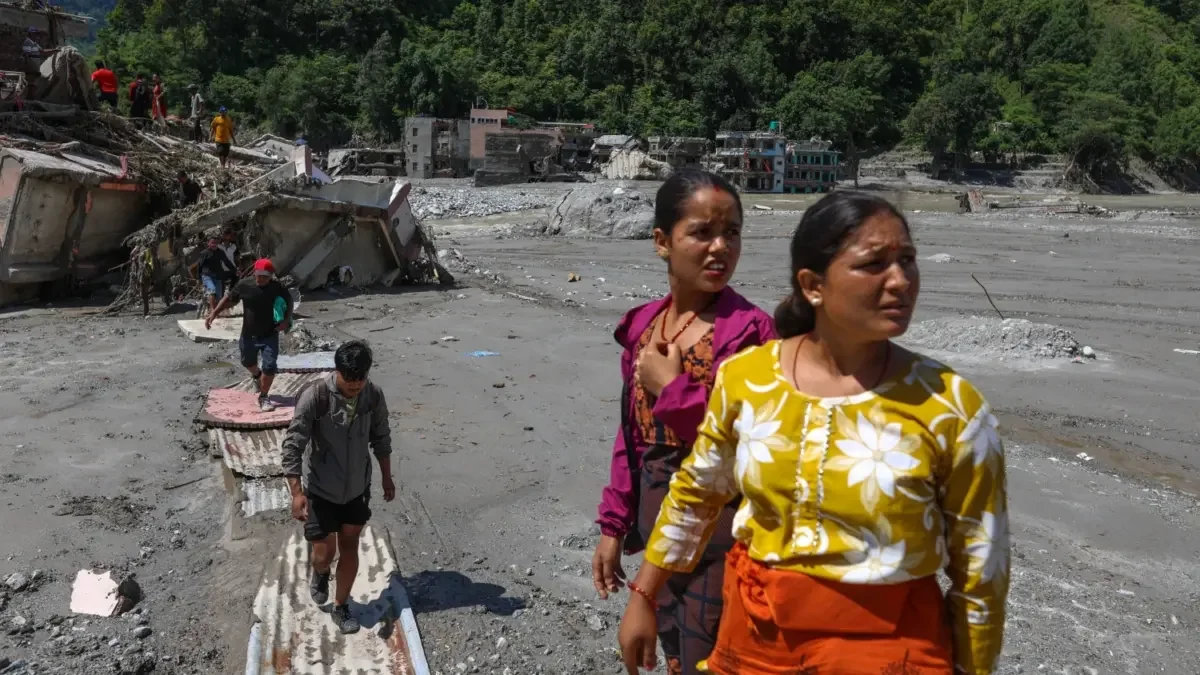
Two women survey the destruction. Photo by Suman Nepali of Nepali Times, used with permission.
Amidst the chaos, survivors expressed a mixture of disbelief and anger—"We had no warning; no one told us the flood was coming," lamented a woman. Her words encapsulated the helplessness felt in the face of nature's unpredictability. As we traversed villages, the demographic was striking: mostly women, children, and the elderly populated the areas, reminders of the out-migration of young men pursuing opportunities abroad.
A local Ward Chair began compiling a list of survivors, reflecting the heartbreaking reality that those lost will remain a permanent absence in the lives of the living. Rescue efforts from the military commenced, bringing a modicum of assistance on this dark day.
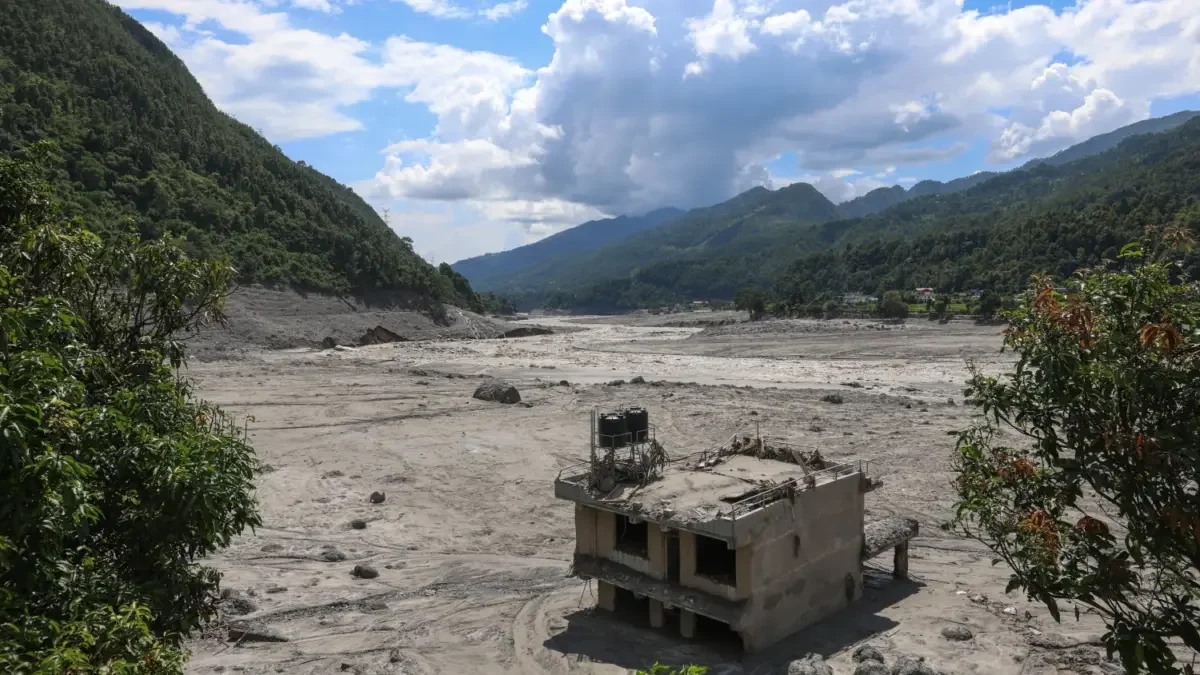
A lone house standing amid the mud. Photo by Suman Nepali of Nepali Times, used with permission.
As we prepared to leave for Kathmandu, local volunteers were organizing to reunite Biswas with his mother. The grim reality along our return journey was palpable; it felt as if we were riding through the remnants of a world altered forever. This flood, a mix of destruction and despair, has left a profound mark, not just on the landscape, but on the very fabric of the lives intertwined within it.
Should you wish to support those affected by this tragedy, you can donate to the Nepal Prime Minister's Disaster Relief Fund here. Additional information is available here.
Discussion
Sign in to join the discussion.