Flávio Bolsonaro has taken a surprising lead over Lula in Brazil's presidential election, setting the stage for a contentious run-off.
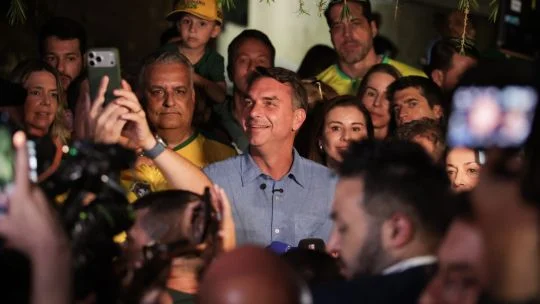
Flávio Bolsonaro has made a notable advance in the initial stages of Brazil's presidential election, placing himself ahead of Luiz Inácio Lula da Silva. With conservative support appearing strong across Brazil, the 45-year-old Bolsonaro garnered approximately 47% of the vote, while Lula trailed closely at around 45%. As the nation gears up for the intense run-off on October 25, the challenges ahead for Lula become increasingly apparent.
The upcoming weeks are expected to witness a flurry of campaigning as Bolsonaro seeks to solidify his position while Lula tries to close the gap. Expectations within political circles suggest that support from eliminated candidates is likely to lean toward Bolsonaro, further complicating Lula's fight. The current electoral environment is pivotal for both candidates and holds significant ramifications for Brazil's socio-economic future.
The financial markets are already reacting favorably to Bolsonaro’s lead, anticipating potentially favorable policies for fiscal health under his administration. Investors view him as more committed to implementing necessary adjustments to Brazil's declining fiscal situation. As markets reopen on Monday, the optimism surrounding Bolsonaro’s candidacy could lead to an upward trend in Brazilian equities.
Implications of the First Round Results
Celebration erupted within Bolsonaro's campaign headquarters after the results were tallied. A jubilant atmosphere was reported, with a barbecue and music characterizing the scene, in stark contrast to the surprise faced by Lula’s team regarding their performance. Bolsonaro, with bravado, declared: "the end of the Workers' Party era," positioning himself as the candidate ready to dismantle the leftist political stronghold that Lula's party has maintained historically.
This election’s outcome could reshape the political trajectory of Brazil. Lula, who served earlier as president from 2003 to 2010, is now tasked with persuading voters that he remains their best choice—despite having been convicted of corruption in the past, a conviction later annulled. He insists that the run-off presents a fresh opportunity to present his vision for Brazil's future, pledging a reinvigoration of his campaign’s focus.
The Challenge Ahead for Lula
However, Lula finds himself at a disadvantage, as history shows that no candidate trailing in the first round has won the subsequent run-off since Brazil’s return to democracy. This underscores the uphill battle that Lula faces as he tries to galvanize his supporters and prove his relevance in a rapidly evolving political landscape.
The results have sent ripples of concern within the Workers' Party, which has historically dominated Brazilian politics, claiming victory in five of the last six presidential elections. The initial results signal a potential shift in the electorate's sentiment, with substantial gains for the Brazilian right observed not only in the presidency but also in parliamentary and gubernatorial races.
Broader Political Repercussions
The implications of this election stretch far beyond Brazilian borders. A victory for Bolsonaro could align Brazil more closely with the political ideologies of other right-leaning leaders across Latin America, bolstering US interests in the region and countering China's increasing influence. The political dynamics, particularly concerning relationships with the US, will likely shift significantly depending on the election outcome.
Trump's administration, having played an intrusive role in Brazil's political landscape, will likely gain traction in the Americas if Bolsonaro secures a win. Bolsonaro's willingness to align with Trump’s policies could signal a cascading effect on regional politics, especially following the conservative victories in countries such as Colombia and Chile.
Economic Concerns in the Election Race
As economic issues overshadow many political discussions, both candidates are presenting contrasting visions for Brazil's economy. Lula advocates a spend-to-grow policy with an emphasis on boosting consumer demand, highlighting past successes during his first presidency. With the Brazilian economy facing sluggish growth due to high-interest rates and rising public debt, investors are looking for concrete plans from both candidates to stabilize the economic situation.
On the other side, Bolsonaro has stressed the necessity for austerity measures, promising significant spending cuts, although the specifics of his plans remain vague. His approach has resonated with investors eager for fiscal responsibility and could impact his support going into the run-off election.
Lula's recent initiatives aimed at creating economic relief for consumers by providing social welfare benefits and addressing financial burdens through public support reflect an attempt to reclaim lost ground. Yet, this raises questions about his capability to address the fundamentally changed demands of the electorate since his first tenure.
In light of these developments, the election outcome stands as a critical turning point. Lula himself acknowledged the need for introspection within his party, stating, "we need to rethink how we're doing things," signaling a recognition that the landscape has shifted.
The upcoming weeks leading to the run-off will not only test the candidates' abilities to connect with voters but also define the future of Brazil's economic and political trajectory—making this election one of the most consequential in recent history.
Discussion
Sign in to join the discussion.