The National Urban League and various housing nonprofits have filed a lawsuit against the Trump administration over a $56 million cut to housing funds.
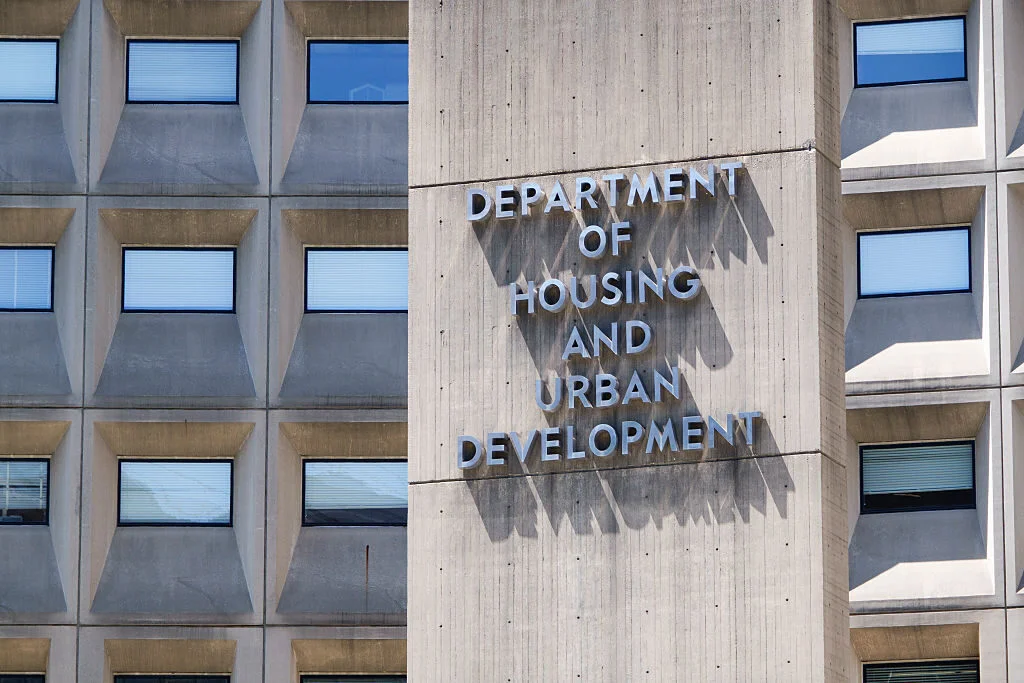
The National Urban League, along with several local housing organizations, has initiated legal action against the Trump administration regarding its recent funding cuts. This lawsuit, submitted in the U.S. District Court for the District of Columbia, specifically targets a $56 million reduction announced amidst a broader cancellation of $810 million in funds last week. This substantial funding cut raises questions about the administration's commitment to housing assistance at a time when many low-income families rely on such support.
The plaintiffs argue that the administration's cuts violate both the Impoundment Control Act of 1974 and constitutional provisions, undermining established funding programs such as housing grants and Comprehensive Housing Counseling initiatives aimed at assisting low- and moderate-income individuals. Housing assistance has a direct relationship with community stability and economic mobility for these groups. These cuts threaten to destabilize programs that provide a lifeline for those in the lower income brackets, and illustrate a concerning trend in budgetary priorities that may place financial considerations over social welfare.
Legal Basis and Administration's Interpretation
The crux of the administration's stance hinges on a controversial interpretation of the 1974 budget law, which permits the president to suggest rescissions of federal allocations for congressional review. This interpretation has led to accusations from the plaintiffs that the administration is overstepping its authority by effectively enabling unilateral funding cancellation shortly before funds are set to expire. Critics argue that this move is akin to an end-run around congressional oversight, raising fundamental questions about the balance of power. When executive actions appear to circumvent legislative intent, it fosters an environment of distrust among lawmakers and the public—a dangerous precedent for democratic governance.
Plaintiffs stress the absurdity of allowing the president to dictate spending decisions independently, likening the administration's approach to the unconstitutional line-item veto that the Supreme Court has previously struck down. Their complaint emphasizes, “This interpretation of the ICA deprives the statute of all practical effect.” In simpler terms, if the executive branch can effectively control budgetary outcomes without checks from Congress, it undermines the very framework designed to prevent overreach and protect democratic processes. The implications of this power struggle resonate beyond this particular lawsuit, potentially influencing future governance and legislative priorities.
Claims Beyond Funding Cuts
Beyond the contentious budget cuts, the lawsuit also alleges that the administration's delays in releasing grant awards stem from an inherent bias against housing programs, impacting applicants' access to essential public benefits based on their viewpoints. This angle raises significant concerns about how government actions can inadvertently politicize essential services. The complaint asserts that such actions infringe upon the plaintiffs' free speech rights along with federal administrative regulations. In a democracy, you shouldn't have to worry about whether your political stance might affect your access to help—this aspect is particularly troubling. (and this is the part most people overlook)
Congressional Response and Legal Implications
The timing of the administration's announcement has also drawn scrutiny, as it coincided with Congress's impending recess. Senate Democrats, led by Jeff Merkley from Oregon, attempted a last-minute legislative countermeasure to prevent the so-called pocket rescission. Merkley proposed a bill aimed at nullifying Trump's actions and restricting future presidents from enacting similar cuts within a 90-day window before the targeted funds are set to expire. Yet, it raises a vital question—can Congress effectively combat executive overreach when time is not on their side?
Merkley articulated the view that this practice undermines Congressional authority and compromises bipartisan appropriations. However, Budget Chairman Ron Johnson of Wisconsin objected, positing that such measures complicate the budget process further rather than clarifying it. This exchange highlights the complex dynamics at play, where partisan interests may cloud the pathway to bipartisan solutions—while the need for reform may be universal, the willingness to act can be elusive.
Insights from the Government Accountability Office
The Government Accountability Office (GAO) has weighed in, contending that the move is illegal. However, the GAO's ability to influence the situation remains uncertain, as it has historically refrained from pursuing legal action in previous disputes. The absence of decisive action by the GAO reflects a perilous trend where oversight entities hesitate to challenge executive decisions, potentially emboldening further unilateral moves by the administration.
Legal precedents surrounding impoundments remain murky, as demonstrated by last year's U.S. Court of Appeals ruling which intimated that only the comptroller general could initiate lawsuits regarding such budgetary issues. For many, this raises questions about who truly holds the reins of budget control. That clarity has not extended to other potential plaintiffs, leaving open questions about judicial recourse under the ICAs.
Looking Ahead: Implications and Future Outlook
The current Supreme Court has yet to address the validity of pocket rescissions formally. Significant legal questions linger as cases concerning the Trump administration’s funding cuts meander through the judicial system. While the Court permitted the withholding of certain funds in previous rulings, it withheld a definitive ruling on the broader principles guiding these funding decisions, leaving stakeholders awaiting further judicial guidance. If you're working in this space, the outcome could reshape how future administrations navigate funding and appropriations, establishing precedents that blend politics with public policy in unforeseen ways.
Much hangs in the balance here. As the legal process unfolds, the ramifications of these cuts and the interpretation of the 1974 budget law could have lasting impacts not just on current housing assistance programs but also on the broader strategy of future administrations in tackling public welfare issues. One thing's for sure: if fundamental norms of governance are eroded, the stakes for civil and economic rights will be higher than ever.
Discussion
Sign in to join the discussion.