Heidi Overton's Senate confirmation hearing revealed her commitment to vaccine safety while dodging direct questions on abortion drug regulations.
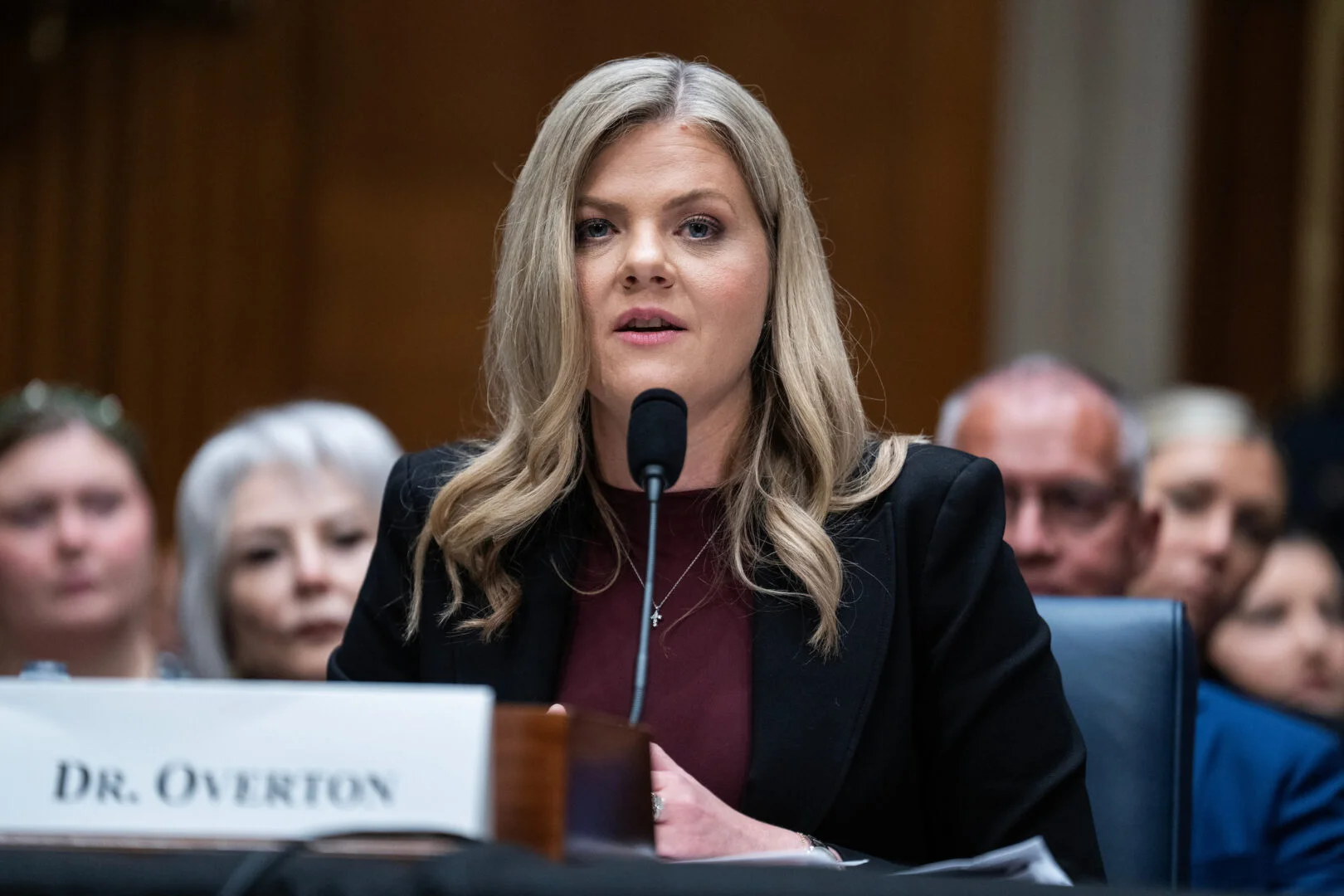
During the Senate confirmation hearing for Heidi Overton, the White House nominee to head the Food and Drug Administration, senators from both parties struggled to obtain definitive positions from her on key health policies and the agency's independence. Overton consistently stated she would adhere to "statutory guidelines" and evaluate "the evidence" in response to pressing inquiries. This response can be interpreted as a cautious approach, likely designed to avoid the political landmines that have historically plagued FDA administrators. The agency’s independence is vital to maintaining public trust, yet its leadership often finds itself navigating the complex waters of policy, science, and politics.
Clear Stance on Vaccine Safety
One point of clarity emerged when Overton addressed vaccine safety. In a firm rebuttal to widespread misinformation, she unequivocally declared, “The MMR vaccine is not lethal. It is safe and effective.” This assertion marked a clear departure from some previous comments made by President Donald Trump, who had labelled the vaccine as “potentially lethal.” Vaccine safety has become a litmus test for public health officials, especially in light of the resurgence of vaccine-preventable diseases. Backing her stance, Overton stated, “Every vaccine on the U.S. market right now is safe and effective according to the FDA.” Response to this moment was significant; it represents an attempt to reaffirm scientific guidelines in a climate where vaccine hesitancy is rampant.
Ambiguity on Abortion Medications
However, her responses on other controversial topics, particularly regarding abortion medications and policies, were less straightforward. Overton, a physician with strong ties to anti-abortion advocacy, has previously taken a critical stance on abortion drugs like mifepristone, arguing they pose risks to women's health. This position raises questions about her ability to balance personal beliefs with the FDA's mission to uphold evidence-based medicine. When questioned by Senator Patty Murray about the safety of mifepristone, Overton acknowledged FDA standards deemed it safe and effective, but her prior criticism of the drug raised eyebrows. This contradiction points to the potential for future conflicts within the agency if she’s confirmed. The FDA’s credibility hinges on science, not ideology.
Murray’s inquiries became pointed when she sought Overton's opinion on whether an IUD is classified as an abortifacient, a belief held by anti-abortion activists. Overton's response indicated an unwillingness to commit, saying, “If I’m confirmed as FDA commissioner I’ll be fully briefed on all their prior decisions and make decisions based on the standards of safety and efficacy.” This ambivalence did not satisfy Murray, prompting her to remark, “I don’t think you answered the question.” The hesitation reflects a broader concern: how capable will Overton be in separating personal views from her role at the FDA? The stakes are high for women’s health services as political winds continue to shift.
Concerns Over Mifepristone
Senator Bill Cassidy expressed a desire for the next FDA commissioner to enforce stringent policies, such as requiring in-person ultrasounds before mifepristone prescription and mandating reports of adverse effects associated with the drug. Critics of such measures argue they disproportionately affect women, particularly in states with limited access to healthcare. He criticized the agency for not adhering strictly to scientific evidence surrounding what he termed the "dangerous chemical abortion drug." The debate represents a microcosm of the larger discussion about reproductive health rights and scientific integrity.
Further complicating the situation, Senator Lisa Murkowski highlighted the political pressures influencing the safety review of mifepristone. She emphasized how logistical issues, like the challenges of in-person dispensing in rural areas such as Alaska, further strain access to reproductive healthcare services. This brings it all back to the FDA’s mission: ensuring safe and equitable healthcare access for all, regardless of geographical or political boundaries.
Vaping Policies Under Scrutiny
Switching gears, the discussion around vaping prompted scrutiny of the FDA's recent approval of flavored vapes. Overton refrained from condemning this decision, acknowledging the role that flavored products may play in helping adults quit smoking. This perspective highlights a tension in public health policy: balancing the necessity of harm reduction for adult smokers while preventing youth addiction. She pledged to collaborate with lawmakers, specifically Senator Susan Collins, to tackle the growing issue of youth vaping. That said, this is a tricky tightrope to walk; flavored vaping products have been heavily criticized for attracting underage users.
When Senator Christopher Murphy raised concerns about the influence of political donations on vaping regulations, Overton skirted criticism of the administration’s decisions. This evasiveness might appear to some as an indication that political pressures could unduly influence policy decisions at the FDA. Nonetheless, she assured the committee of her commitment to address illicit vaping products originating from China. However, skepticism lingers: Will these intentions translate into meaningful actions?
Outlook for Overton's Nomination
As the hearing concluded, Cassidy withheld his endorsement of Overton's nomination, suggesting he wasn't ready to decide whether to advance her confirmation vote this year. Murkowski noted her impression of Overton's performances as “well rehearsed” but remained undecided on her support. The responses and demeanor of Overton during the hearing have set the stage for an uncertain future at the FDA. Public health needs clarity from its leaders, and this nomination, with its complex web of political and scientific implications, will undoubtedly impact the agency's trajectory. If you're working in this space, the stakes are high, and the ramifications of Overton's confirmation could ripple through public health policy for years to come.
Implications of Overton's Confirmation
What this means for you, the public, is that the FDA might continue its trend of balancing scientific integrity with political pressures. Overton's varied responses suggest a willingness to navigate the contentious waters of public health policymaking. However, these responses also signal a potential struggle for the agency to maintain its independence in an environment charged with conflicting interests. The coming weeks will prove critical; how Overton engages with both the Senate and the public will shape the FDA's future, particularly in hot-button areas like vaccine safety and reproductive health. The complexity of these issues requires FDA leadership that can confidently address both scientific evidence and public sentiment. Whether Overton can fulfill that role remains to be seen.
Discussion
Sign in to join the discussion.