Every autumn, winged ant queens take flight for a crucial reproductive ritual, ensuring the survival and establishment of new colonies.
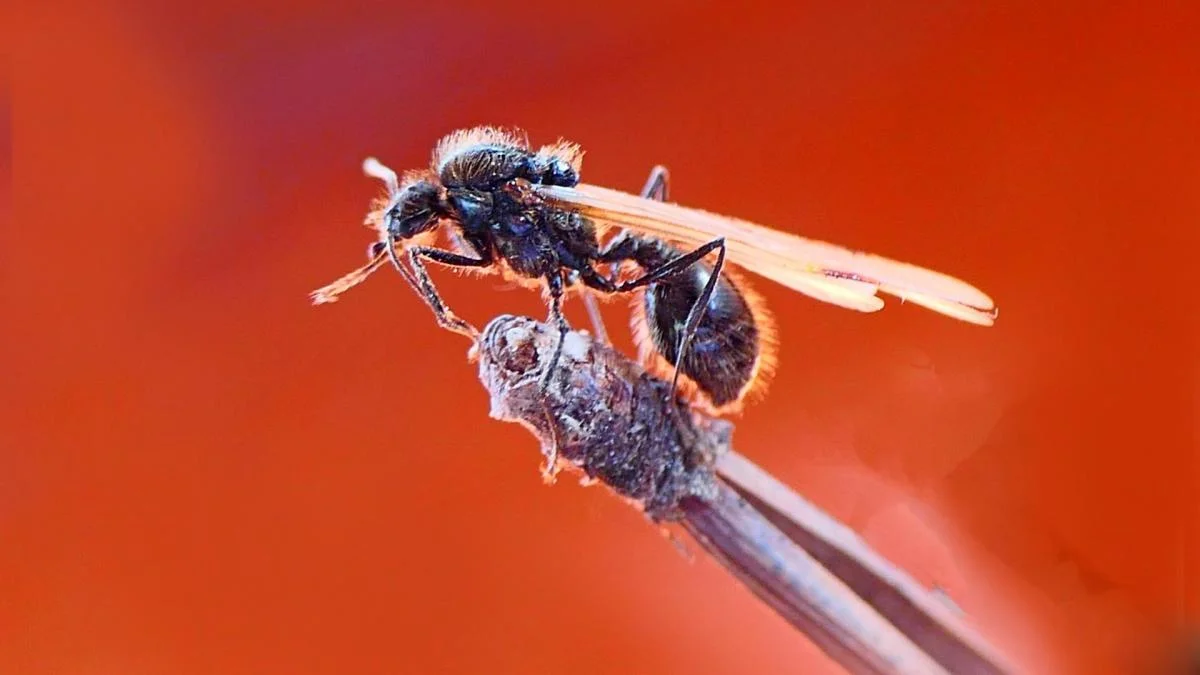
As autumn sets in, the enchanting spectacle of winged ant queens emerges, particularly evident in areas like Vilobí d'Onyar in the Selva region. This seasonal event draws attention as these ants prepare for their nuptial flights, captured beautifully in photographs for Las Fotos de los Lectores de La Vanguardia.
The Seasonal Ritual of Ant Nuptial Flights
The arrival of autumn ushers in a momentous occasion for certain ant species, particularly those in the Messor genus. As the first rains hit, conditions become favorable for winged ants—and, by extension, their reproductive activities. Mass emergence from their underground nests takes place, an event where both virgin queens and males take to the skies. This instinctual behavior aligns with climatic cues, marking a synchronization that is both fascinating and essential for the continuation of their species.
This phenomenon isn’t just a glimpse into the natural world; it serves a fundamental purpose in the life cycle of these insects. It's a mating ritual that culminates in the formation of new colonies. The queens, often referred to as "princesses," engage in aerial copulation with males, or "princes," high above the ground. Timing is everything—this flight must occur when environmental conditions are optimized for survival. After this reproductive flight, dozens (or even hundreds) of nests may spring up in areas that once had no colonies, significantly impacting local ecosystems.
Life After Mating: The Divergent Paths of Queens and Males
One of the most striking aspects of this mating ritual is the drastically different life trajectories of male and female ants post-copulation. For the queen, the primary aim after successfully mating is to gather sperm. This genetic material is stored for future fertilization of eggs, which is crucial for ensuring the colony’s longevity. Interestingly, while the queens can live for an impressive 15 to 20 years, the males’ life expectancy is tragically short. After fulfilling their role of reproduction, they typically perish within days, succumbing to predation or environmental factors.
This stark contrast highlights a basic tenet of evolutionary biology: in many species, males often adopt a riskier reproductive strategy, pouring all their resources into a single mating opportunity. The few days of existence following copulation illustrate a singular commitment to ensure the success of future generations. It's a sobering reminder of the fragility of life, even among species that seem so industrious and resilient.
Environmental Cues and Their Role in Ant Behavior
The synchronization of the nuptial flight events is often driven by environmental signals such as temperature and humidity. Similar systems typically rely on these factors to launch their reproductive endeavors. In ant colonies, these climatic conditions signal the perfect time to emerge in vast numbers—a strategy that increases the likelihood of successful matings through sheer volume.
Moreover, this mass emergence reduces the individual risk each ant faces during this key moment. Ants form swarms that can overwhelm predatory threats as they navigate the airways in search of mates. The timing of these flights can thus have significant implications for population stability, making any shifts in climate patterns particularly problematic for these species.
Photographic Documentation of the Event
The beauty of these nuptial flights doesn't just lie in their biological importance; they also present captivating photographic opportunities. Enthusiasts flock to areas like Vilobí d'Onyar, armed with cameras, to document this remarkable spectacle. Images capture the intricate details of winged ants, showcasing the delicate structures of their wings and the vibrant colors of their bodies. Such visuals not only serve to engage the public but also aid in the education and awareness of biodiversity and insect life cycles.
Impacts on Local Ecosystems
This phenomenon has far-reaching implications beyond the immediate reproductive goals of these ants. The emergence of winged queens and males during autumn influences local food webs. As the ants engage in mating rituals, they also serve as a food source for various birds and insectivores. These interactions highlight the interconnectedness of ecosystems and illustrate how one seasonal event can ripple through environmental dynamics.
For you, especially if you're working in entomology or ecology, this information is valuable for understanding how species adapt to their environments. It underscores the meticulous balance that sustains biodiversity. Loss of habitats or climate variations affecting this nuptial flight could lead to widespread consequences—not just for ants but for myriad other species that depend on them.
Conclusion: Reflections on Nature's Cycle
In essence, the seasonal emergence of winged ant queens highlights not only a compelling natural event but also serves as a window into the complexities of life cycles, environmental interactions, and ecological balance. While some may overlook the significance of such small creatures, their reproductive strategies offer profound insights into the workings of nature. The annual spectacle is more than just a photogenic moment; it's a critical component of survival for many species.
Discussion
Sign in to join the discussion.