Sallent de Gállego, perched in the Pyrenees, offers stunning landscapes, rich history, and adventure opportunities for hikers and explorers alike.
* The author is part of La Vanguardia's readers' community
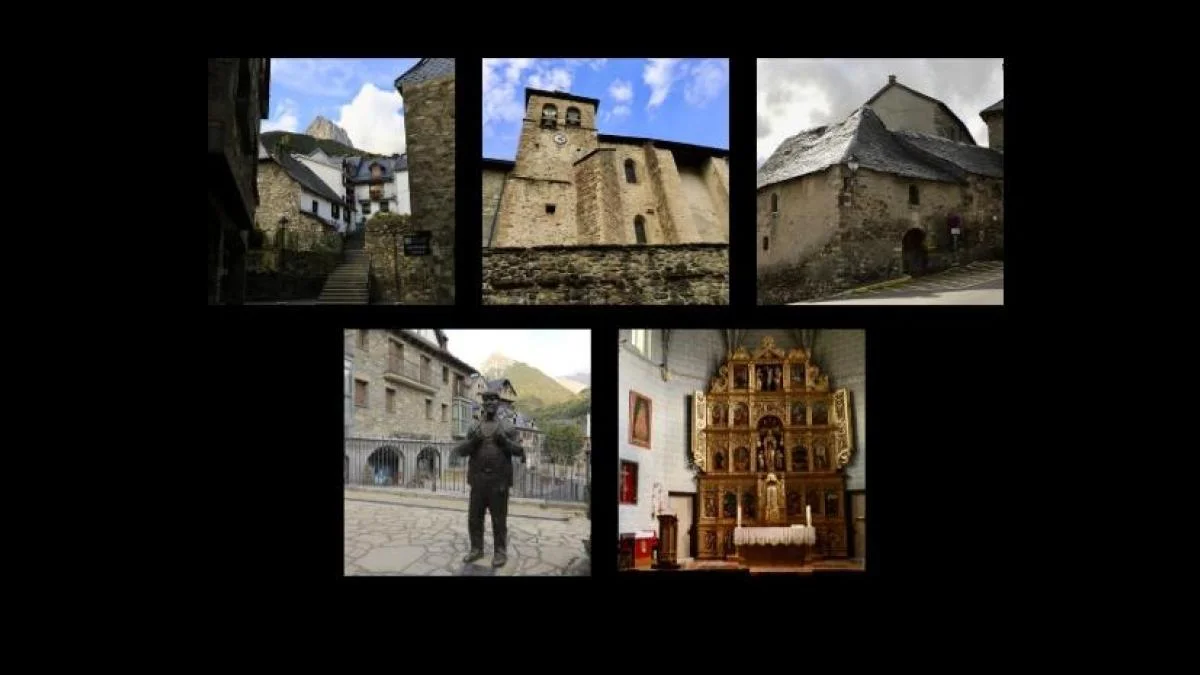
Sallent de Gállego, a picturesque village in the Aragonese Pyrenees, stands at 1,305 meters above sea level and is often regarded as the “heart of the Tena Valley.” Nestled at the foot of the majestic Peña Foratata and alongside the Lanuza reservoir, the town is notable for its traditional stone and slate architecture, highlighted by the stunning sixteenth-century bridge that spans the Aguas Limpias River.
The Allure of Sallent de Gállego
Sallent de Gállego isn't just another quaint village; it's an embodiment of the rich history and stunning architecture that define this region. Its elevation means you get not just a fresh breath of mountain air but also panoramic views that stretch for miles. The village's unique position within the Tena Valley means it attracts both tourists and history enthusiasts year-round, eager to experience its blend of culture and natural beauty. The blend of natural and built environments creates a striking contrast that draws visitors in—many come for the scenery but leave with a deeper appreciation of its history.
Historic and Cultural Highlights
At the town's core lies the Plaza Mayor, marked by the Triple Roman Arch, juxtaposed against Ángel Orensanz's contemporary sculpture, Mallo Sallentino. This area serves as a vibrant social and cultural hub. It’s almost as if history and modernity are in dialogue here. And, importantly, this space encourages community interaction, hosting local events and gatherings. A notable local figure commemorated here is Fermín Arrudi, known as the Giant of Sallent, who reached a towering height of 2.29 meters and journeyed across the world to showcase his remarkable stature in the late 19th century.
Fermín Arrudi’s life story is emblematic of how Sallent has played a role in broader cultural narratives. His journey across countries didn’t just showcase his unique talent but also brought international attention to this otherwise sleepy village. To this day, locals celebrate his legacy, reminding visitors that while the surroundings are breathtaking, it’s the stories of its people that truly enrich the experience of Sallent de Gállego.
Discovering Architectural Marvels
The town's centerpiece is the Church of Nuestra Señora de la Asunción, a striking Gothic structure dating back to the early sixteenth century, built upon earlier Romanesque foundations. This church is not only a spiritual center but also a repository of the region's artistic heritage. The exquisite silver altarpiece inside is a must-see. It reflects the elaborate craftsmanship and intricate artistic traditions that locals have nurtured over centuries. This kind of preservation is critical; it keeps the history alive while allowing future generations to learn.
For architecture aficionados, experiencing the Church and other local buildings firsthand offers insight into the influences that shaped them. Many structures in Sallent de Gállego exhibit styles that are both unique to the region and representative of broader architectural movements. Each stone tells a story, and while many architecture enthusiasts may be drawn to larger cities, it’s often the hidden gems like this village that provide the real narrative threads of cultural identity.
Outdoor Activities and Natural Beauty
Sallent de Gállego is a magnet for outdoor enthusiasts, boasting the highest concentration of peaks over 3,000 meters in this section of the Pyrenees, including the Picos del Infierno and Balaitus. The famed GR-11 hiking trail traverses the village, making it a prime starting point for exploring nearby natural wonders. Popular hikes include routes to the Ibón de Anayet, the Circo de Piedrafita, and the scenic Monte Pacino, as well as easy walks to the charming village of Lanuza.
For the adventure seeker, this landscape serves up an array of options. Whether you’re skiing in winter or hiking in summer, the natural geography shapes each experience uniquely. The presence of high-altitude lakes and lush valleys creates a contrasting ecosystem, perfect for a wide variety of outdoor activities. If you're working in this space—especially in tourism or outdoor recreation—recognizing how to attract visitors year-round is key to thriving in what can be a seasonal business model.
But let’s not overlook the significance of sustainability in these outdoor pursuits. The challenge is balancing nature conservation with tourism. Local traditions must be respected to preserve this beautiful backdrop. The community is aware, and many initiatives aim to promote responsible tourism that respects and protects the environment. The choices made now will define what future visitors experience.
Implications for Future Generations
What this means for you, as a visitor or prospective resident, is clear: the blend of rich history, cultural narratives, and natural beauty creates an environment that has much to offer. However, the challenge lies in preserving this charm amidst rising tourist numbers and changing landscapes. The region must adapt to these shifts while ensuring that the stories of its people and their heritage are not lost.
Looking ahead, the village’s commitment to sustaining its charm while embracing the influx of visitors could be a model for other small towns facing similar pressures. As tourism continues to evolve, communities like Sallent de Gállego need to think critically about what makes them unique and how they can share that with the outside world. The potential here is immense, but it requires thoughtful navigation rather than reckless expansion.
In summary, Sallent de Gállego stands out for more than just its scenic vistas; it's a microcosm of larger cultural conversations. How this village responds to modern pressures will be telling—both of its resilience and of the will to maintain its rich heritage. That's the reality of small-town identity in the face of changing times.
Discussion
Sign in to join the discussion.