The question of authority in preserving Indigenous cultures is critical, as many leaders face burnout and disproportionate challenges in their fight for rights.
The pressing need for collaboration among Indigenous leaders is highlighted by the burnout they face while protecting their cultures.
Originally published on Global Voices

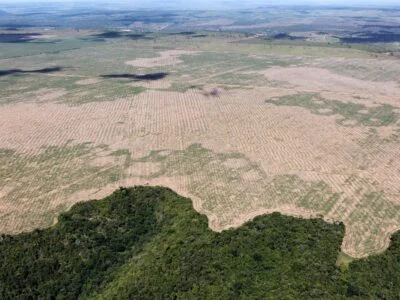
Deforestation in Maranhão, Brazil: A continuous threat to Indigenous cultures and lands. Image from Wikimedia Commons (CC BY 2.0).
This post is part of Global Voices’ August 2026 Spotlight series, “Indigenous Rights.” The series aims to share the narratives of Indigenous peoples to build connections and highlight their experiences. Consider supporting this coverage by donating here.
Globally, 476 million Indigenous people represent about 6.2% of the world's population, yet they significantly influence biodiversity conservation despite being relegated to only 25% of Earth's land. With a history of enduring colonization and cultural erasure, Indigenous communities are grappling not only with their historical injustices but also with ongoing struggles for recognition and rights in contemporary society.
The Central Question of Authority
A recurring theme throughout the Global Voices Spotlight series on Indigenous rights is the question of authority—specifically, who has the power to recognize and protect Indigenous identity, land, and culture. With the rights of Indigenous peoples no longer debated in terms of their legitimacy, the pivotal issue revolves around decision-making power.
Unfortunately, state mechanisms often undermine Indigenous claims to identity. For instance, the Assyrian people, who faced devastating genocide, remain unrecognized in the constitutions of their regions. Similarly, the Siraya people in Taiwan had to fight for 30 years before being acknowledged as Indigenous, while the Ryūkyūan people in Japan continue to face institutional rejection despite their historical claims to land.
Challenges in Advocacy
Recognition alone does not equate to power or decision-making capability. Events in places like Nueva Vizcaya, Philippines, where Indigenous leaders faced criminal charges for advocating against mining, emphasize a grim reality. In Brazil, 258 Indigenous individuals were murdered in 2025 defending their land rights. Such statistics are stark reminders of the violence Indigenous activists face when challenging state interests.
In Thailand, communities mobilized to protect their cultural identity amidst pollution from mining operations. A collective peace walk showcased the resilience and determination of Indigenous peoples to safeguard their essential resources and heritage.
State Control Over Indigenous Lands
Governments frequently exploit Indigenous territories under the guise of resource extraction, economic development, or environmental protection, leaving communities disenfranchised. The Chinese state’s cotton production policies exemplify this trend, exerting control over agricultural practices and the livelihoods of millions of Uyghur and Tibetan farmers. Meanwhile, in Tanzania, the Maasai have faced significant land dispossession enshrined as “conservation” policies intended for tourism and economic interests.
The systemic conflict between state interests and Indigenous rights leads to a lack of recognition that severely limits state control over land-related decisions. When Indigenous groups gain autonomy, they often demonstrate extraordinary capabilities in protecting their languages, cultures, and ecosystems.
Empowering Indigenous Communities
Empowerment examples include the Kam community in Nigeria, where local leaders have created numerous recordings to preserve their language. In India, efforts by educational activists to document endangered languages showcase proactive measures to avert cultural loss. Similarly, fashion designers like Oksana Alkhunsaeva in Russia are preserving their heritage through economic initiatives.
However, modernization often presents dual challenges. In Nepal, the prioritization of dominant languages threatens local dialects, while practices such as the Nigerian martial art of Dambe adapt to new regulations, with a risk of losing their cultural essence in the process.
The Economic Value of Indigenous Knowledge
There's a strong argument for the protection of Indigenous knowledge, particularly when its integration results in economic benefits for communities. In Ghana, traditional medicine remains a significant part of healthcare for a majority of the population, highlighting the importance of traditional practices amid modern economic challenges. Moreover, Indigenous crops are gaining attention as sustainable alternatives in global food markets.
Tech plays a role in this discussion, as Indigenous knowledge is increasingly recognized amid AI and data policies. Activists like Hindou Oumarou Ibrahim have underscored the urgent need for Indigenous peoples to be recognized as decision-makers, especially as technology affects their territories and cultural heritage.
The Human Element of Preservation
Despite the systemic challenges, notable individuals are spearheading the fight for preservation. Yet, the onus to protect Indigenous cultures often falls disproportionately on them, raising concerns about burnout among Indigenous leaders. The call for collaboration among Indigenous individuals is urgent, emphasizing the need for resources to sustain these vital efforts.
Ultimately, who gets to decide the fate of Indigenous cultures remains a pressing question that needs addressing if these communities are to thrive sustainably in an ever-changing world.
Discussion
Sign in to join the discussion.