Media Access Dispute Highlights First Amendment Tensions
Published Sep 21, 2026Reads 606By Tom Williams
A recent ban on major news outlets from the White House spurs lawsuits, raising significant First Amendment concerns regarding press access.
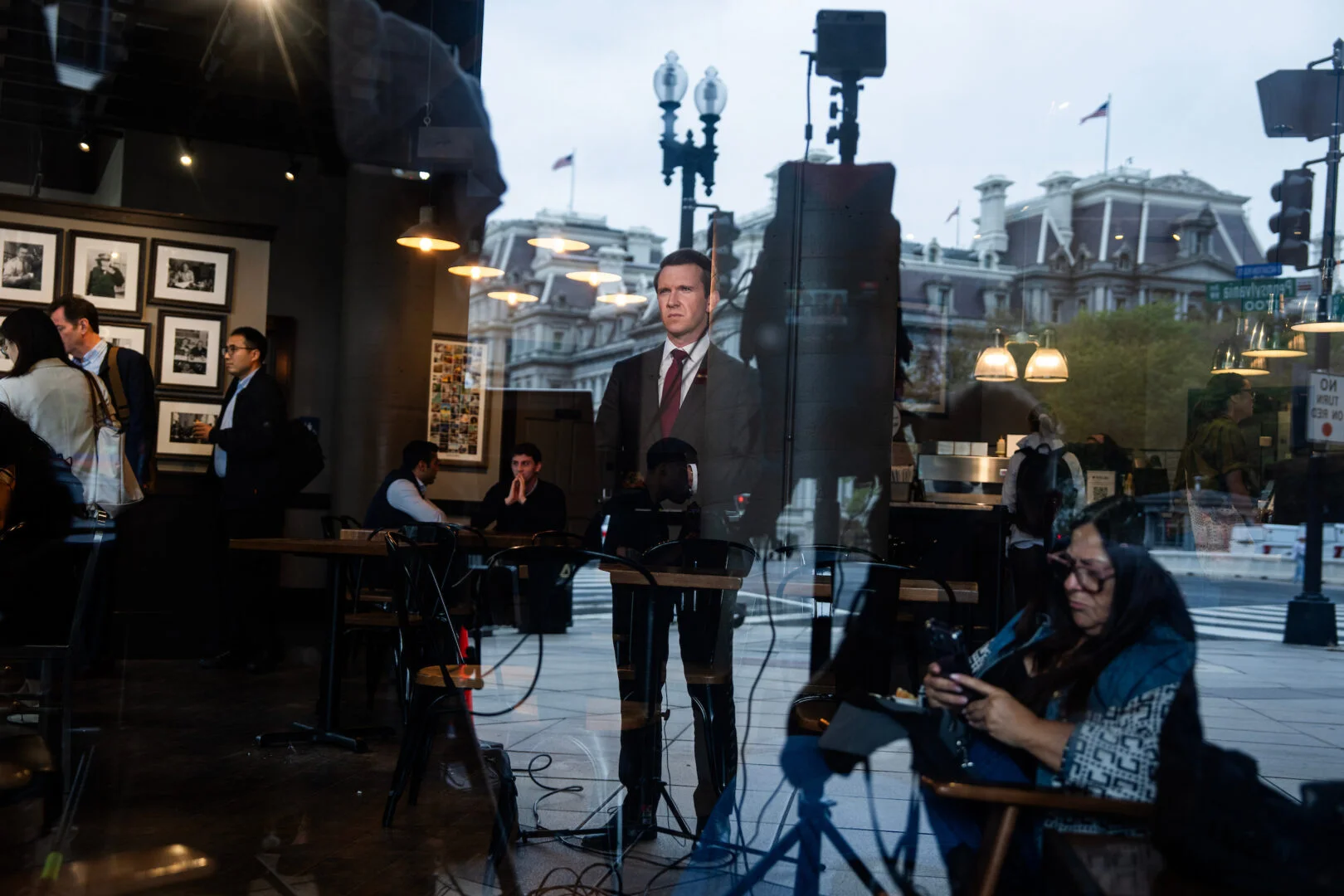
Vaughn Hillyard, who serves as a senior White House correspondent for MS NOW, captured a telling moment while broadcasting from the intersection of 17th Street and Pennsylvania Avenue Northwest on Monday. This reflection becomes particularly poignant as it follows the recent decision by President Donald Trump to bar MS NOW, CNN, and Politico from accessing the White House. This ban has prompted all three media organizations to initiate legal action against the Trump administration, asserting that the move infringes upon their First Amendment rights.
Context of the Ban: A Troubling Trend
The recent ban on MS NOW, CNN, and Politico from White House press access underscores a significant shift in the media-government relationship. This isn’t an isolated incident; it reflects a broader trend of escalating tensions between political figures and the press. Leaders often view media organizations as adversaries rather than essential partners in informing the public. The decision to exclude these outlets raises pressing concerns about transparency in governance.
When a sitting president decides to restrict access to certain news organizations, it sets a dangerous precedent. The First Amendment is traditionally understood to protect the media's right to report on government activity. By taking action against these organizations, the Trump administration seems to prioritize its own narrative over public access to information.
The implications of this ban stretch far beyond one administration or a handful of news outlets. It chips away at the accountability of elected officials and erodes public trust in not just the information being disseminated, but in the democratic processes themselves.
Legal Ramifications and Press Freedom
In response to the ban, MS NOW, CNN, and Politico are not just voicing their outrage; they're actively pursuing legal channels to contest the administration's decision. Their lawsuits hinge on the assertion that the ban violates their First Amendment rights to free speech and a free press. Historically, the courts have shown a certain level of deference to the press, understanding its role as a watchdog in democracy.
But this isn’t the first time we’ve seen legal challenges surrounding press access. Similar occurrences in the past—like the Obama administration's limited press briefings—have opened discussions on the appropriate relationship between the government and the media. In those instances, court rulings often favored press access under the understanding that democracy thrives on informed citizens. Thus, how this particular case unfolds could either reinforce that precedent or indicate a worrying shift in legal interpretations of press freedom.
The legal battles won't just clarify access rights; they could redefine the boundaries of governmental authority. If the courts uphold the administration's decision, it may encourage future administrations to adopt similar tactics to control the narrative. If the press wins, it could reaffirm media outlets' rights to operate freely and independently, bolstering their role in holding power to account.
The Responsibility of Journalism
As the situation evolves, it warrants a closer look at the role of journalism today. The media has a responsibility to inform the public accurately and thoroughly, but that responsibility comes with challenges, especially under adversarial conditions. When government entities take actions that threaten journalistic integrity, it raises alarm bells not just for reporters but for citizens relying on accurate information.
This conflict asks journalists to reflect on their responsibilities. If you’re working in this space, you know that the stakes are high. Maintaining credibility is vital. Reporters must navigate varying narratives from government officials while also delivering the facts to the public. The ongoing confrontation further complicates that endeavor.
And this is the part most people overlook: the emotional toll on journalists as they grapple with restricted access, potential legal ramifications, and the constant questioning of their motives. Press freedom isn't just an abstract principle; it directly impacts the lives of those fighting for it.
Implications for Future Governance
The implications of the ban extend beyond just the immediate relationships between these media organizations and the White House. It raises broader questions about the state of governance and the health of democracy itself. A government that restricts press access is one that risks promoting a culture of secrecy. That won't end well. Trust in institutions is already eroding, and such tactics may exacerbate public cynicism and disengagement from democratic processes.
Looking ahead, the ramifications could affect not just the Trump administration but all subsequent governments. As legal precedents emerge from this battle, they might reshape the balance of power between the press and the state. It’s vital for the public to remain engaged and aware. A vigilant society is one that holds its leaders accountable.
Moreover, if enhanced restrictions become commonplace, the media landscape may drastically change. Alternative forms of journalism could rise, focusing on direct engagement with the public and reliance on independent sources rather than traditional press channels. That could create a fragmentation effect, challenging journalists to operate efficiently without the resources typically provided by established media organizations.
In closing, the confrontation between the Trump administration and these prominent media organizations isn't merely about access to the White House. It encapsulates a critical moment in American democracy, forcing us to reckon with the essential role of the press while navigating the intricate balance of power between the government and the media.
Discussion
Sign in to join the discussion.