Laura Pérez and Guillermo Corral’s 'El iglú' intricately explores themes of memory and identity through evocative visuals and minimal dialogue.
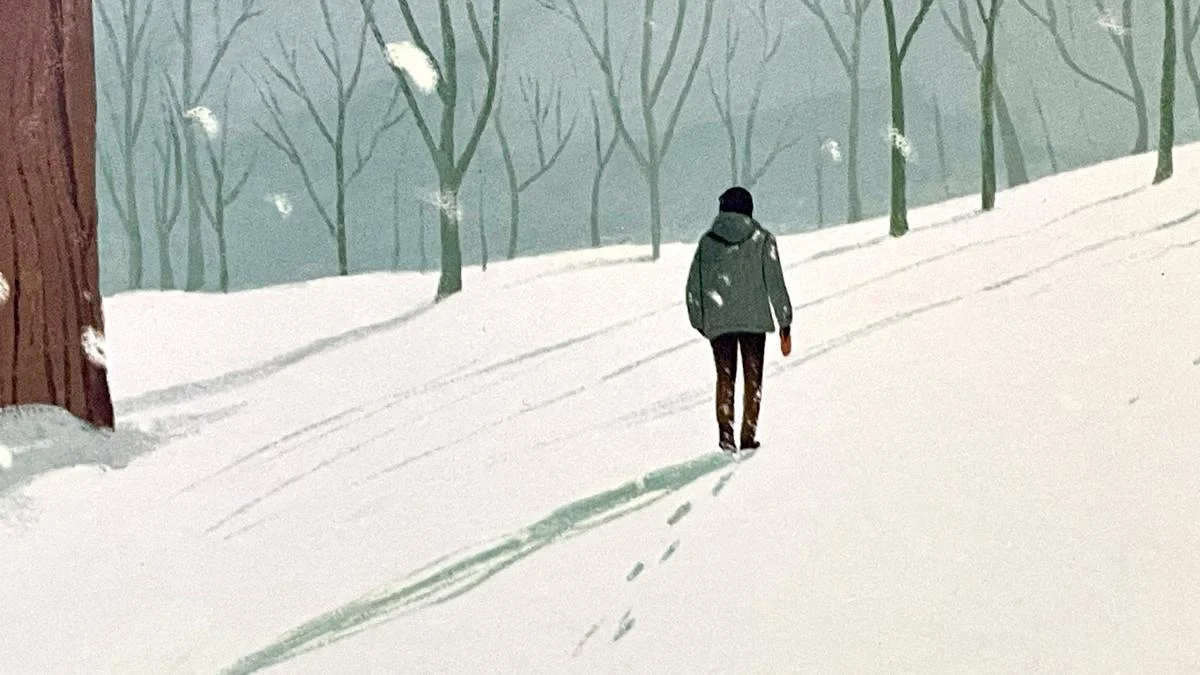
Through her art, Laura Pérez transforms simple visuals into deeply resonant narratives that go beyond mere illustrations. Her delicate style encapsulates emotions and moments, inviting viewers to discover the subtleties hidden within each frame. Pérez’s work is reminiscent of silent films, capable of storytelling through images alone, and her latest project, El iglú (published by Salamandra Graphic), exemplifies this ability, emphasizing the silent spaces as much as the dialogues. This unique approach engages viewers not just as spectators, but as participants who must interpret the nuances embedded in the imagery.
Writer's Insight: Guillermo Corral's Contribution
Accompanying her is writer Guillermo Corral, who draws from his childhood memories of Switzerland to weave a universally relatable story. In El iglú, he navigates themes of nostalgia, the passage of time, and how echoes from our childhood resurface in adulthood. Corral's writing evokes a sense of intimacy, inviting readers to reflect on their own pasts while following Óscar's journey. The choice to set the story in the 1970s evokes a specific cultural backdrop—a period often idealized in retrospect, which can influence how we perceive our own histories.
The Quest for Identity: Óscar's Struggles
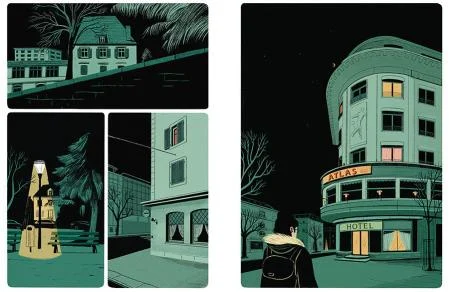
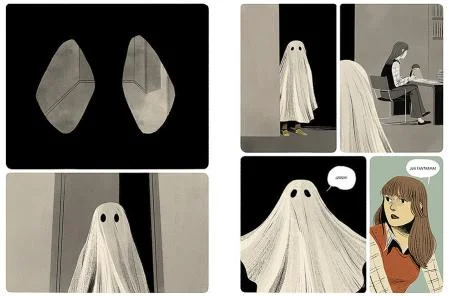
The narrative centers on Óscar, who, confronted with a life crisis, returns to his 1970s Swiss hometown. The journey into his past forces him to grapple with a disorienting blend of memories and present realities, portraying him as a “ghost” among his own recollections. This duality of experience serves as a poignant exploration of self-discovery amidst the swirling remnants of the past. The choice of setting is compelling, as it mirrors many individuals' experiences of reconciling their identities with the realities of adult life—particularly those faced with existential crises.
A Universally Relatable Story
What begins as a personal tale transcends into a broader narrative, resonating with anyone who has had to reflect on their past. Corral's ability to craft a story that resonates universally, alongside Pérez’s evocative illustrations, creates a beautifully balanced dialogue between image and text. The interplay between their two styles fosters an immersive environment, where readers are not just observing but experiencing Óscar's internal conflicts alongside him. The narrative captures the feeling of nostalgia, prompting readers to reflect on their own childhood memories—and this is the part most people overlook: the subtle power of personal stories in invoking collective experiences.
El iglú is inherently contemplative, allowing its visuals to carry significant narrative weight. The sparse dialogue requires readers to keenly observe the artwork, enhancing the emotional depth and thematic richness found within the illustrations. Corral’s meticulous script, the result of extensive refinement, lays the groundwork for a powerful artistic collaboration. Every frame becomes an invitation to engage, not just with the characters, but with the emotions and memories they evoke.
Visual Language of Memory and Emotion
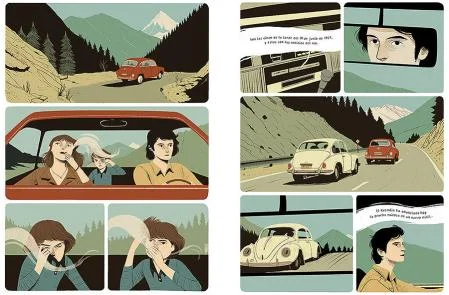
Pérez's illustrations are not only delicate and elegant, but they feature a subtle yet diverse layout enriched with a unique color palette. As readers walk through the depicted Swiss town, they experience a narrative interwoven with intimacy, mystery, and a hint of the haunting. The interplay of reality and remembrance blurs the lines, drawing readers into a world where dreams and desires intermingle. The colors create a mood that reflects the nostalgia woven throughout the narrative, further enhancing the emotional experience. This artistic choice invites readers to not just look, but to feel each brushstroke and hue.
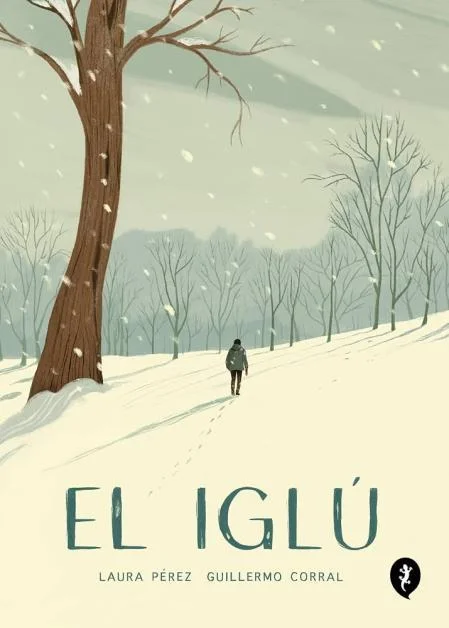
The Creators Behind the Collaboration
Both creators bring their unique backgrounds to El iglú. Guillermo Corral, previously known for his work on El tesoro del Cisne Negro, lends a reflective yet personal touch to the narrative. Laura Pérez garners accolades, including an Eisner Award for her recent work Nocturnos, known for its intimacy and dream-like quality. She also contributed to various visual projects like the titles for Solo asesinatos en el edificio. Their successful collaboration underscores the importance of synergy between writer and artist—each enhancing the other's strengths, crafting something that feels significantly more than the sum of its parts.
Future Outlook: The Ongoing Relevance of Personal Narratives
As we consider the impact of works like El iglú, we must recognize the broader implications of personal narratives in art. The intertwining of memory, identity, and emotional reflection remains unchanged, regardless of social shifts. If you're working in this space, consider how such themes resonate with audiences seeking connection through storytelling. The appeal of stories that navigate personal and universal experiences remains enduring. As artists like Pérez and authors like Corral demonstrate, the human experience continues to provide a rich canvas for exploration and expression.
Discussion
Sign in to join the discussion.