Valentín Roma is back at Macba as its new director, stirring excitement and expectations for a cultural rejuvenation at the institution.
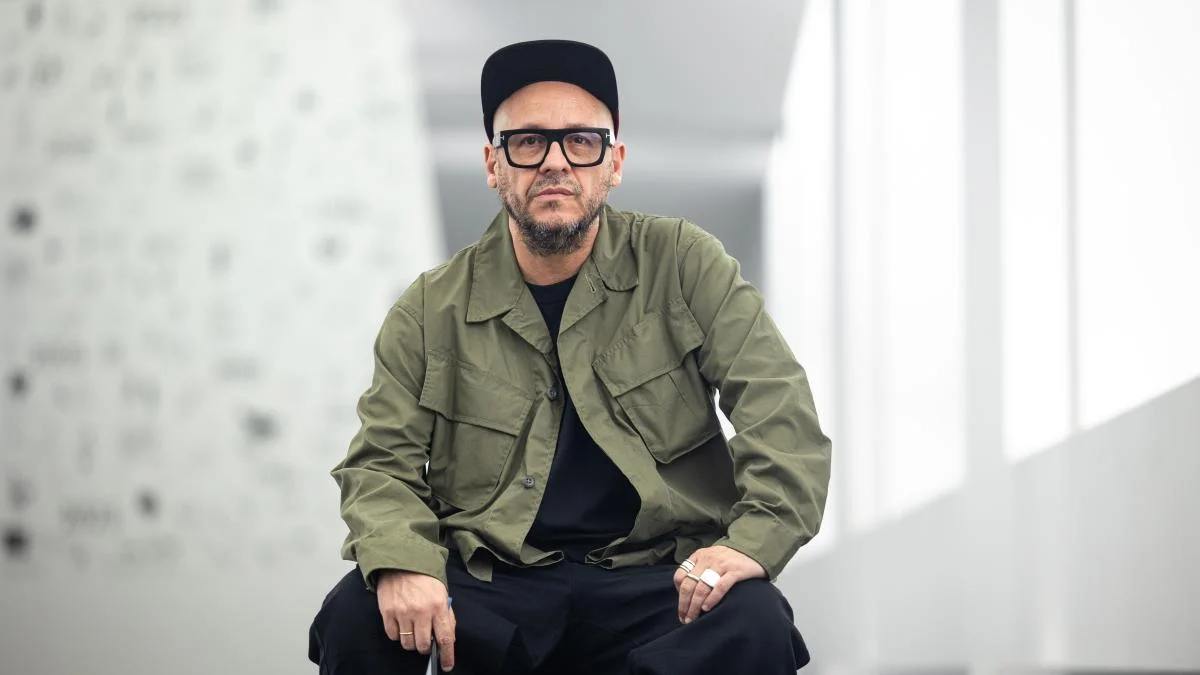
Valentín Roma's Return to Macba
In a climate filled with anticipation, Valentín Roma has been appointed as the new director of Macba, drawing comparisons to a savior figure for the institution. Many hope this change represents a pivotal moment for the museum, suggesting it may finally regain its former vibrancy and relevance in the contemporary art scene. His previous tenure as chief curator ended controversially in 2015 when a provocative artwork sparked significant backlash. This incident not only led to his departure but also ignited broader conversations about censorship, artistic freedom, and the role of cultural institutions in addressing social issues.
Macba (Museu d'Art Contemporani de Barcelona) has long been a staple of modern art in Spain. Established in the late 20th century, it has pioneered numerous exhibitions that challenge and expand the boundaries of contemporary art. However, recent years haven't been kind. With evolving public tastes and emerging art movements, Macba has faced intense scrutiny regarding its programming and public engagement. Roma's return therefore isn't just a personal comeback; it points to a desperate need for course correction at an institution that many believe has lost its direction.
Acknowledging the Pressure
Upon receiving accolades from the museum's governing consortium, Roma humorously expressed his awareness of the pressure by playfully covering his eyes with his hands. Such a gesture speaks volumes about the environment he's stepping into, one filled with high expectations and perhaps even skepticism. With the art community's sharp eyes on him, Roma's return marks a notable shift in Macba's leadership narrative, fueling hopes for renewed public engagement and revitalized artistic programming.
While optimism is flowing, it’s critical to evaluate what kind of change Roma can realistically achieve. Stepping into the director's role requires more than creative vision; it demands adept management skills and a keen understanding of audience engagement. The museums that thrive today often adopt a more inclusive, community-focused approach that transcends traditional exhibition formats. There's a palpable hope that Roma will bring this sensibility back to Macba.
Historically, cultural institutions that have struggled often overlook the importance of audience connection. The backlash to Roma's previous advisory tenure highlighted the tenuous balance between daring artistic endeavors and public sensitivity. A lesson for Roma could be the increasing relevance of diverse perspectives and dialogues in art today, ensuring that the museum becomes a community hub and not just a space for elite artistic expression.
Similar institutions that have undergone leadership changes provide valuable case studies. Consider how the Tate in London revitalized its engagement strategy by introducing programs that invite visitors to express their views about exhibitions. This approach not only deepens connections but also invites a fresh sense of ownership among the public. Macba could benefit from adopting a similar ethos, potentially closing the gap that has reportedly widened between the museum and its visitors.
The Challenge of Modernization
This return to a prominent role also comes amid a backdrop of technological transformation in the art world. Museums have increasingly incorporated digital experiences into their offerings. Virtual tours, augmented reality installations, and online engagement strategies represent just a fragment of what today’s art institutions are exploring. Roma will need to consider how to balance these elements within Macba’s program. The question remains: how willing will the institution be to innovate while maintaining its artistic integrity?
Moreover, Madrid's Reina Sofía and its strategic programming present competitive pressure as well. With high-profile exhibitions and an agile approach to contemporary discourse, Macba might find itself needing to rethink its strategies to capture visitor interest. This isn't just about the installation of art—it's about creating a narrative that resonates with today's audiences. Roma’s experience in curating dynamic, thought-provoking exhibitions could provide a roadmap, but it will take considerable effort to shift public perception.
(and this is the part most people overlook) The significance of effective marketing and communications cannot be overstated in this landscape. For Roma to succeed, he must not only enhance the museum’s artistic offerings but also communicate these changes effectively to the public. Engaging with audiences where they are—be it through social media, community events, or educational programs—will be critical. If you’re working in this space, you understand that outreach isn't just a secondary consideration; it’s an integral component of contemporary museum strategy.
Implications for the Future
Looking ahead, Roma’s role could redefine how Macba interacts with its community and even position it as a leading voice in the global discourse on contemporary art. His leadership style may dictate how the museum navigates its identity in the years to come. This isn’t simply about revitalization within the institution—this could affect the broader cultural dialogue surrounding modern art in Spain.
The longstanding relationship between art and society means that Roma’s decisions may have far-reaching implications. Should he succeed in recapturing public interest and engagement, it could inspire a new generation of artists, curators, and institutions to rethink their approaches to contemporary art. Conversely, any missteps may lead to further disconnect and criticism, a fate that Macba has struggled with in recent years. Ultimately, all eyes will be on Roma as he crafts a vision for the museum that balances innovation with artistic integrity.
In a world where public engagement is more critical than ever for cultural institutions, Macba's next chapter could hinge on Valentín Roma's ability to fuse the museum's storied past with a vibrant future. only time will tell if he can put Macba back on the cultural map.
Discussion
Sign in to join the discussion.