The Sagrada Família's construction plans hinge on a municipal decision regarding a neighboring building, as reallocation proposals emerge for residents.
Construction Progress and Challenges
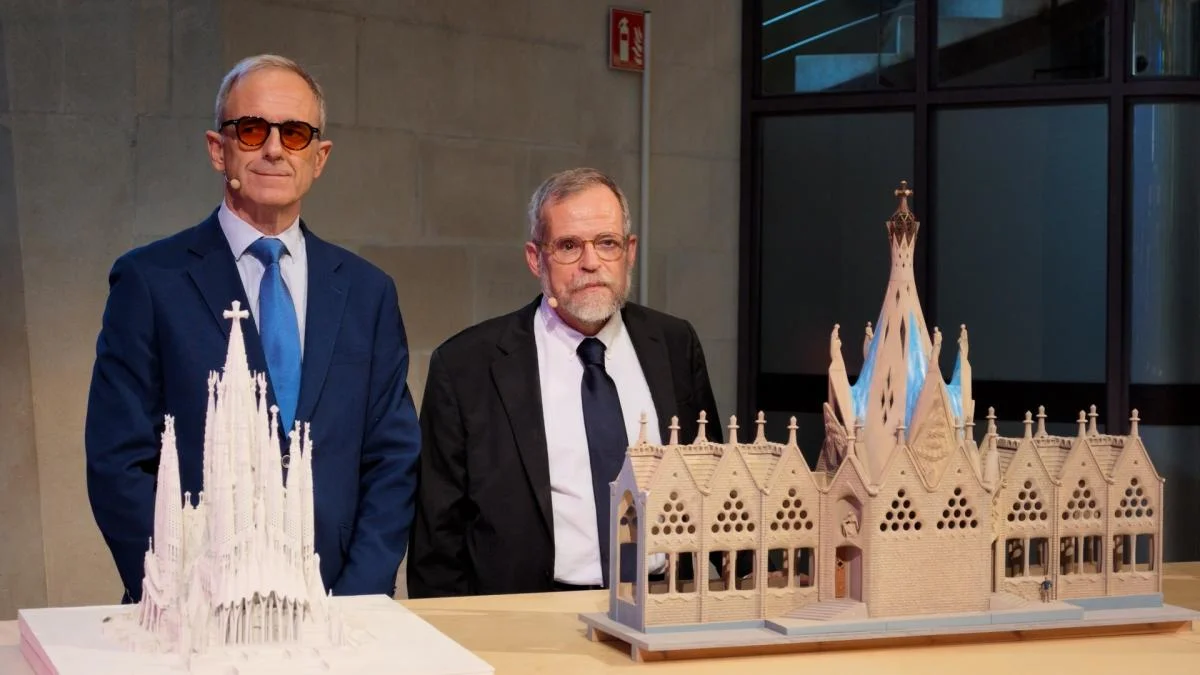
After the recent inauguration of the Torre de Jesús, the Sagrada Família is shifting its focus to the work on the Glòria façade. The construction board predicts that completion could occur within a decade, depending on municipal actions regarding the Núñez y Navarro building, which obstructs plans for a plaza and grand stairway intended for the main façade.
The Sagrada Família, designed by architect Antoni Gaudí, is an architectural marvel that has been under construction for over a century. Gaudí envisioned this extraordinary basilica to symbolize the connection between heaven and earth, and even in the 21st century, it remains a work in progress that attracts millions of visitors annually. However, the ongoing construction is not without its challenges, particularly regarding urban planning and regulatory issues that often slow progress.
The construction of the Glòria façade is particularly important as it represents one of the most significant entrances to the basilica. The design draws heavily on Gaudí's original vision, intended to evoke a sense of light and celestial beauty. But significant hurdles lay ahead. While the construction board's prediction of a decade-long timeline might sound optimistic, various factors—such as bureaucratic red tape, funding, and public sentiment regarding urban development—could easily extend this timeline. In fact, this type of issue often plagues large-scale urban projects, where competing interests can delay or even derail progress.
Proposal to Relocate Residents
Given the ongoing delays, the Sagrada Família is proposing to relocate the current residents of the Núñez y Navarro building. They suggest creating new housing on land they own, but the timeline depends on the city's decision regarding the existing property. Until that is resolved, the future of this significant project remains uncertain.
Relocating residents to make way for development is not a new scenario in urban settings. Across various cities worldwide, plans to rejuvenate or expand cultural landmarks often meet substantial local resistance, particularly when the displacement of existing communities is involved. The proposal to relocate residents from the Núñez y Navarro building highlights the complex interplay between cultural heritage and community needs.
There’s a fine line here when it comes to urban development and community impact. The Sagrada Família, as a UNESCO World Heritage Site, holds immense cultural value. Yet for the residents, their homes represent stability and community. The Sagrada Família’s proposal to build new housing elsewhere, while admirable in intent, could face skepticism: Are the new homes as desirable? Will residents feel the new location serves their needs? These are questions that, if not addressed satisfactorily, could undermine the project's social license to proceed.
As the basilica continues construction, the city's involvement can't be overstated. Municipal authorities need to navigate the technicalities involved in zoning laws and community housing standards. Still, each day that passes leaves the future of the Glòria façade—and by extension, the Sagrada Família itself—in a precarious state. The potential impacts on tourism and local economies are far-reaching; disruptions caused by construction delays may detract from the visitor experience, ultimately affecting revenue streams that help fund these ongoing projects.
Context and Implications
This situation underscores a broader trend in urban development—the balancing act between preserving cultural heritage and meeting the needs of current residents. If you’re working in this space, you’ll recognize the myriad challenges that such projects face, particularly in cities grappling with growth and gentrification. The fact that public sentiment can sway so easily can’t be ignored, as demonstrated by other projects like the ongoing debate around the revitalization of the area around La Sagrada Família itself.
Moreover, the anticipated completion of the Glòria façade comes at a time when cultural landmarks are increasingly becoming vital symbols for local and national identity. As communities grapple with what growth means for their future, the Sagrada Família serves as both a source of pride and contention. The architectural masterpiece offers an opportunity to champion progress while threatening to alienate those it displaces. There’s a lesson here about stakeholder engagement—a harmonized vision and inclusive dialogue can pave the road to progress rather than discord.
Yet, the complexity deepens. The significance of the Sagrada Família extends beyond its bricks and mortar; it represents a collective memory, a sense of belonging. The hesitation to decisively move forward evokes questions about who writes the narrative for urban centers. What this means for the Sagrada Família is paramount. A failure to address these resident concerns could lead to broader implications for future developments.
(And this is the part most people overlook) The resolution of this situation will require not just a focus on construction timelines, but also a commitment to community engagement, equity, and environmental sustainability. The Sagrada Família’s future hangs in the balance, caught in a web of historical significance and modern urban complexity.
As the city decides on the proposal to relocate these residents, we’ll likely see ramifications that extend far beyond these walls, influencing both public opinion and future developmental policies. The Sagrada Família's completion could redefine relationships between cultural institutions and the communities in which they reside, setting a precedent for how these developments can manage the social fabric of their localities.
Discussion
Sign in to join the discussion.