Rodalies' new trains are set for final safety approval, with delivery expected by year's end and passenger service anticipated early next year.
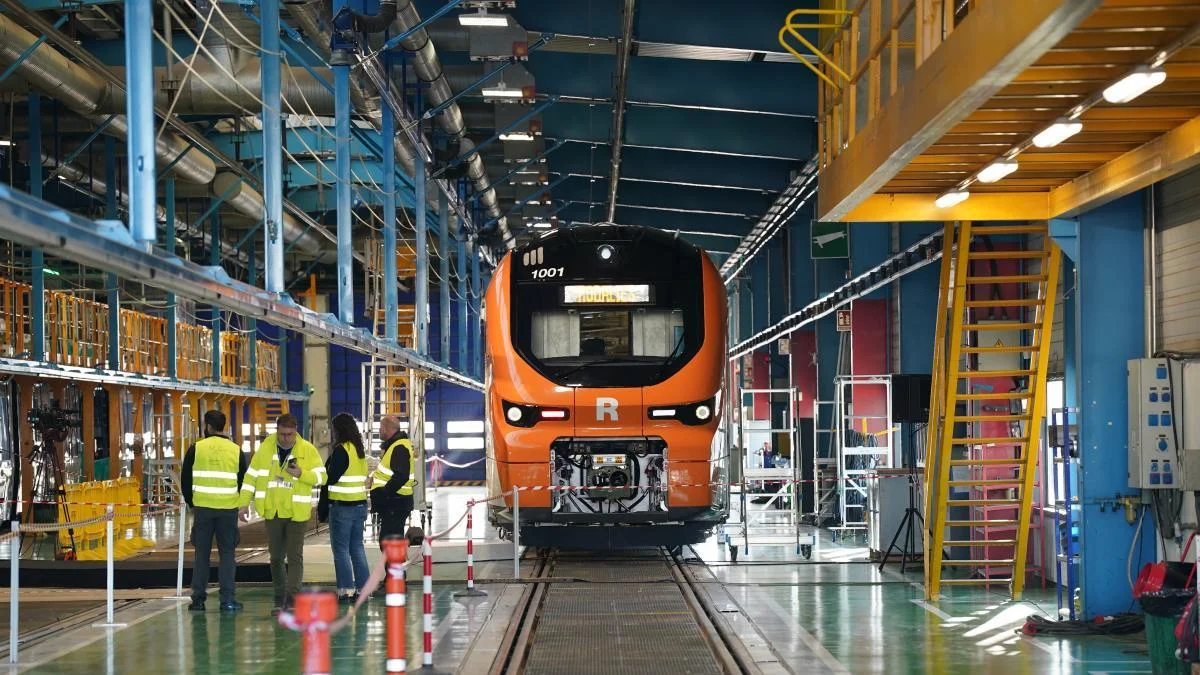
After a lengthy homologation process, the new Rodalies trains are approaching final approval. Following the resolution of design defects in the Alstom-manufactured trains from Santa Perpètua and successful validation tests on the Maresme line, only the final signature from the Agencia Estatal de Seguridad Ferroviaria (AESF) remains.
Progress and Expectations for Alstom's Rodalies Trains
Industry insiders gathered at this week’s Innotrans event in Berlin suggest that all technical work has been completed. The final bureaucratic steps are now in motion, with full approval anticipated in early November at the latest. This isn't just another routine approval process; it's the culmination of years of effort aimed at enhancing Spain's rail capabilities amidst increasing passenger demand and public scrutiny.
Trains Await Safety Clearance at Santa Perpètua Facility
Once the AESF approves, Alstom will begin delivering the first units to Renfe. The French company is committed to making 16 trains operational by the end of the year, a goal they appear likely to achieve. The first two trains rolled out in June, with an additional five currently awaiting transfer to Renfe's facilities in Vilanova, pending the necessary homologation. The remaining units require only minor final adjustments and the assembly of various configurations, including both single and double-deck coaches.
What's often overlooked in these discussions is the sheer scale of logistics involved as Alstom gears up for production. Delivering these trains isn’t just about manufacturing; it’s about ensuring that they meet every safety protocol and design specification laid out by Spanish authorities. After the tumultuous journey leading to this stage, the accomplishment of getting these trains to Renfe is pivotal for both companies.
The Uncertain Timeline for Passenger Service
However, a timeline for passenger services remains uncertain. Initial rides are projected for the first quarter of next year. "After receiving homologation, we'll need to coordinate with Renfe on integration into service and conduct necessary training for the operators," stated Andrew DeLeone, president of Alstom Europe. He emphasized this timeline aligns with assurances made to Spain's Prime Minister, Pedro Sánchez, amid public scrutiny and concerns from Transport Minister Óscar Puente regarding delays attributed to the manufacturer.
The coordination process will involve intricate planning, as operators need to be thoroughly trained to handle everything from new technology to emergency protocols. This is not merely a checkbox exercise; it’s about minimizing risks when these trains finally enter service. If you're working in this space, you know timing is critical, and any additional delays at this stage could sour public perception and strain relationships with the government.
The Evolving Relationship Between Alstom and Spanish Authorities
Despite previous tensions, the relationship between Alstom and the Spanish government appears to have stabilized. Puente recently toured Alstom's exhibit at this major rail industry event in a positive spirit, prompting compliments from DeLeone about the minister's proactive leadership in the railway sector. This newfound camaraderie is essential, as the transportation sector often requires extensive collaboration between the public and private sectors to thrive.
This situation isn't unique to Spain. Many countries grapple with similar tensions between manufacturers and regulatory bodies, especially when the delivery of public transportation infrastructure projects extends beyond original timelines. It’s a volatile mix of politics and engineering that often leaves a bitter taste for all parties involved.
Regulatory Challenges and Future Discussions
In his discussions at the event, Minister Puente also met with Apostolos Tzitzikostas, the European Commissioner for Sustainable Transport, to discuss potential regulatory changes aimed at simplifying the often cumbersome timelines associated with railway procurements. This dialogue highlights the frustration over prolonged lead times—like those for the Rodalies trains, which come nearly six years post-contract award to Alstom. "The time from ordering a train to its delivery is excessively long," he remarked while speaking to industry representatives currently involved in 20% of Europe's rail sector present at the fair.
Regulatory adjustments could pave the way for improved efficiencies in train procurement and delivery across Europe. The slow timeline for trains like the Rodalies could serve as a critical case study for reform across various nations. But real change is not instant, and stakeholders may need to prepare for battles over legislative priorities and competing interests.
Implications and Future Outlook
The forthcoming approval of Rodalies trains marks a significant milestone, but it also raises questions about what lies ahead. Will this journey catalyze larger reforms in the European rail procurement system? What does this mean for future contracts and timelines? As public expectations grow, stakeholders must adapt or risk losing public confidence.
And yet, the long-term implications stretch beyond just Alstom and Renfe. They encapsulate the need for a more coordinated approach between manufacturers and government bodies globally. It's high time these entities engage in more transparent conversations about processes and timelines. This could ultimately lead to smoother approvals and, importantly, better service for travelers.
If there's anything to take away from this entire saga, it's that transparency and collaboration are critical. The real measure of success won't be in just getting these trains on the tracks, but whether they can deliver the operational efficiency and passenger satisfaction that taxpayers expect. This is a story to watch.
Discussion
Sign in to join the discussion.