Dr. David Céspedes highlights the key differences between biological and chronological age, offering practical advice for healthy aging.
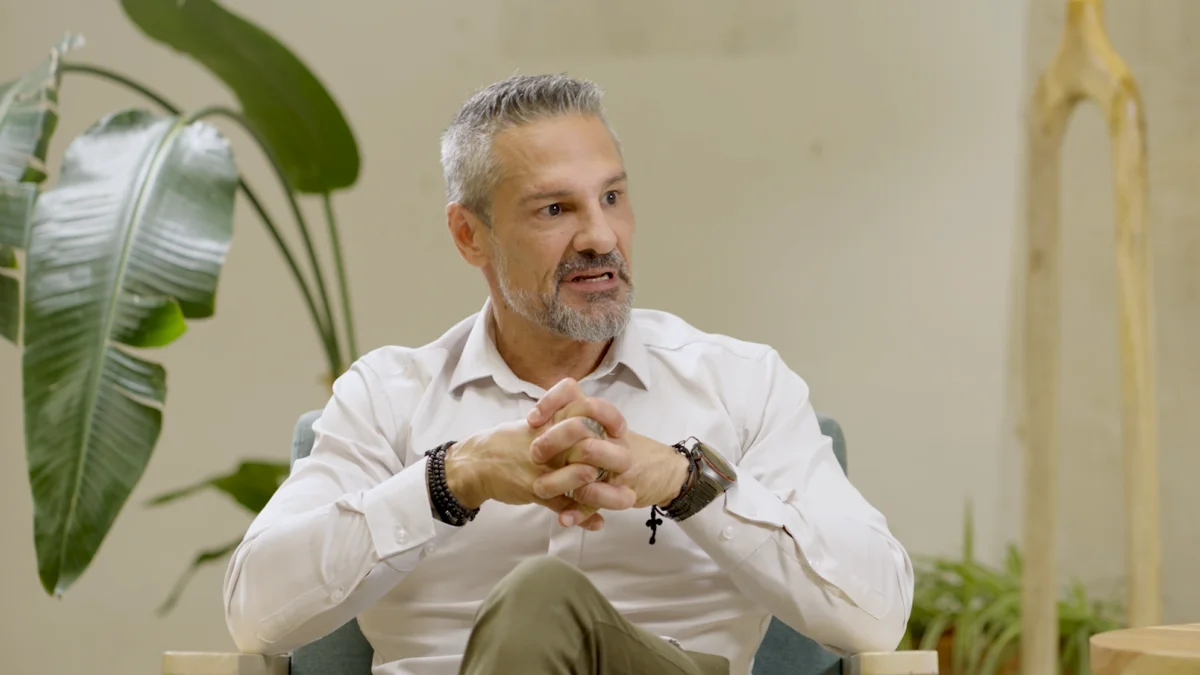
What does it mean to age well? Is longevity synonymous with being old? These pressing questions often arise as we reflect on our lives and birthdays. In a recent discussion, Dr. David Céspedes, a specialist in preventive medicine and healthy aging, reveals insights on the significant distinction between chronological and biological age. This conversation is part of the 'Vivir más y mejor' video podcast series hosted by journalist Elisenda Camps, aimed at providing practical guidance for those looking to enrich their lives and health.
Elisenda Camps has spent over a decade advocating for health and wellness, and her dialogue with Dr. Céspedes emphasizes evidence-based approaches to enhancing quality of life as we age.
Aging: Understanding Biological vs. Chronological Age
Dr. Céspedes underscores that chronological age is merely a number indicating how many years we've lived. In contrast, biological age is a reflection of the physiological state of our bodies, encapsulating how well our cells function, our ability to repair damage, and the cumulative effects of lifestyle and environmental factors.
In Dr. Céspedes' words, biological age "is what our cells indicate we are, independent of the number on our ID." This distinction is vital because it adds context to our health risks; two individuals of the same chronological age can have vastly different biological health profiles. For instance, while one person may exhibit resilience and low incidence of chronic diseases, another might demonstrate accelerated aging due to factors such as poor diet or chronic stress.

Key Factors Influencing Biological Aging
Dr. Céspedes identifies several factors that uniquely influence our biological aging process, including:
- Genetics
- Epigenetics
- Telomere length
- Gut microbiota
- Physical activity levels
- Sleep quality
- Environmental exposure
These elements showcase that our health trajectory is influenced by more than just the passing of time. Thus, understanding these can help us take proactive measures toward a healthier life.
The Three Pillars of Healthy Aging
Dr. Céspedes recommends focusing on three fundamental aspects of health that anyone can start working on today:
- Body weight management: Keeping a healthy Body Mass Index (BMI) can help minimize inflammatory responses and lower the risk of metabolic diseases.
- Blood pressure regulation: Hypertension is a key risk factor for cardiovascular issues and cognitive decline.
- Blood glucose control: High sugar levels can accelerate cellular aging and contribute to insulin resistance.
Integrating these three pillars with at least 30-45 minutes of moderate exercise daily—like brisk walking or gardening—and a balanced diet can significantly boost metabolic activity and promote overall health.
Movement: Beyond Standard Recommendations
The World Health Organization (WHO) suggests a minimum of 150 minutes of moderate physical activity each week. However, Dr. Céspedes advocates for incorporating "micro breaks" throughout the day, like standing or stretching every hour, to combat the effects of prolonged sedentary behavior. These small changes can help mitigate oxidative stress and protect mitochondria, the energy powerhouses of our cells.
Building Healthy Habits from a Young Age
Establishing healthy habits early is essential for a long, quality life. Dr. Céspedes encourages limiting screen time and promoting outdoor play, sports, and face-to-face interactions among children. Such practices create a foundational health framework that can last a lifetime.
The human body thrives on physical contact, movement, and exploring the environment. Revisiting the more active lifestyles of earlier decades can be seen as an investment in longevity.
Quality of Life Over Longevity
The ultimate goal should not simply be to increase lifespan but to improve the quality of life. Reducing dependence and the onset of diseases ensures that we enjoy our later years more fully.
For Dr. Céspedes, aging gracefully means not just prolonging life indefinitely but attaining an age where one's physical condition remains resilient. The priority is maintaining quality, avoiding dependencies, and leading a fulfilling life.
Practical Steps to Initiate Today
Here’s a concise set of practical actions based on Dr. Céspedes' insights:
- Engage in 30-45 minutes of daily physical activity and incorporate micro breaks every hour.
- Adopt a varied, Mediterranean-style diet, steering clear of ultra-processed foods and excess alcohol.
- Manage body weight, blood pressure, and glucose levels.
- Cultivate stress management techniques, aiming for 7-8 hours of sleep and moments of leisure.
- Foster interpersonal relationships and involvement in community activities.
- For younger generations, encourage active play and limit screen time.
As Dr. Céspedes points out, focusing on weight, blood pressure, and glucose, alongside daily movement and social connections, can lead to a more resilient biological age and a higher quality of life in later years.
Discussion
Sign in to join the discussion.