Lionel Messi has reached a deal to acquire Spanish club Eldense, marking his second ownership venture in Spanish football.
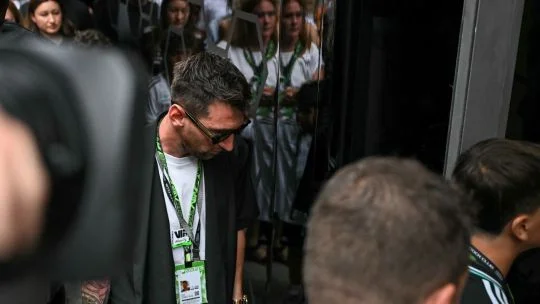
Messi's Investment in Spanish Football
Lionel Messi is poised to assume majority ownership of CD Eldense, a team currently competing in Spain's second division. This announcement, made Thursday, highlights Messi's increasing involvement in football beyond his playing career. His prior acquisition of fourth-tier club Cornellà just months ago indicates a strategic approach to building a diverse portfolio in the sport. The allure of investing in football clubs is strong, offering not just a potential return but also a legacy-enhancing opportunity for a player of Messi's caliber.
The Context of Eldense's Acquisition
CD Eldense, based in the Alicante province, has a history dating back to 1921. Its inclusion in Messi's growing list of investments is emblematic of a trend where retired or semi-retired athletes look to secure their legacy through ownership. Similar systems typically involve established players who have seen success on the field transitioning into roles that allow them to shape the future of the game. This is a significant shift, as more athletes recognize the value of equity in a club.
The club isn’t one of the most storied in Spanish football; however, it has a passionate local support base. The move is just as much about Messi's desire to connect with the grassroots of the game as it is about financial prospects. Eldense will likely benefit from Messi’s star power, potentially increasing its visibility and attracting new fans and sponsors. With Messi’s influence, the club could see an uptick in ticket sales and merchandise, which is often a boon for lower-division teams.
Messi's Career Transition
At 39, Messi's transition from player to owner signifies not merely an end of an era but the beginning of another. He continues his professional career with Inter Miami, after a storied tenure at FC Barcelona and a high-profile stint with Paris Saint-Germain. It's been suggested that this move into ownership will not distract from his playing obligations but rather complement them. There's a certain synergy in simultaneously managing a club while engaging in active competition.
Many sports legends choose to dive into coaching or become brand ambassadors after retiring. However, Messi's path seems particularly focused on direct ownership. While he’s still in the midst of his playing career, this duality might actually grant him insights that few owners possess. What this means for you, if you're working in this space, is that Messi could set a precedent for how future generations of athletes approach their post-playing careers.
Details of the Transaction
According to CD Eldense, "Lionel Messi has reached an agreement in principle" with the current owners, Grupo TH Soluciones, for a majority stake. Interestingly, specific financial details surrounding the deal remain undisclosed. This is often the case in club transactions, but it raises questions about the valuation of lower-league clubs, especially in the context of rising player wages and increasing club operational costs.
The transaction is currently subject to final legal checks and awaits necessary approval from the Spanish Sports Council (CSD). Approval processes can be a hurdle in these transactions, owing to the strict regulations governing club ownership in football. The fact that Eldense is promising updates as the legal and regulatory procedures unfold shows that this deal is carefully being navigated.
Implications for Future Investments
This acquisition might stimulate interest from other prominent players looking to invest in clubs that could provide both financial upside and personal fulfillment. An emerging trend in football is players leveraging their fame and wealth to influence the direction of clubs, especially in lower divisions where they can really make a difference. (And this is the part most people overlook.) By investing in clubs like Eldense, players are not merely satisfying a desire for financial gain; they’re also seeking to reinvigorate communities and preserve football's cultural significance. This could lead to a shift in how clubs are marketed and operated, with more emphasis on community engagement and sustainability.
In the broader context of football investments, Messi's move can be interpreted as a reflection of the changing dynamics where player investments are no longer limited to big clubs. Lesser-known clubs with potential for growth could rapidly become appealing targets for investment from other players. If trends continue, we might see a wave of former stars entering ownership roles, fundamentally altering how football clubs operate.
A New Chapter for CD Eldense
As the newest chapter in Messi’s career unfolds, CD Eldense appears ready to embrace this transformation. Founded over a century ago, the club is now on the cusp of significant change that could redefine its status in Spanish football. For clubs like Eldense, having a global icon at the helm can amplify their sporting ambition and operational scope.
Ultimately, Messi's journey from player to owner not only serves as an interesting case study but also signals possible shifts in how former athletes engage with their sport. The impact of his involvement with CD Eldense, financially and socially, remains to be seen, but the move is indicative of broader trends surrounding athlete ownership in sports. Expect more developments as legalities are settled and Messi implements his vision for the club.
Discussion
Sign in to join the discussion.