Protests in Chile commemorating Pinochet's dictatorship saw nearly 300 detentions, highlighting tensions following a controversial presidential election.
Chilean Protests Mark Pinochet Coup Anniversary
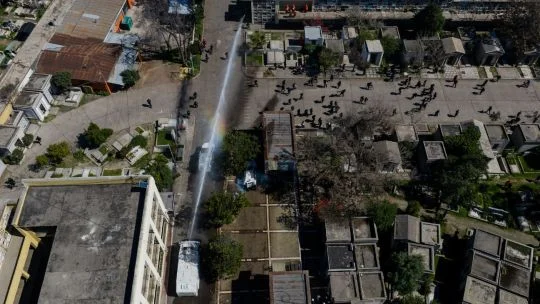
This past Saturday, Chile witnessed significant protests commemorating the 53rd anniversary of the September 11 coup that overthrew democratically-elected President Salvador Allende. This moment in history not only marked a dramatic shift in Chile's political fabric but also serves as a reminder of the violent repression that followed under the dictatorship of Augusto Pinochet. The government reported that nearly 300 individuals were detained during these demonstrations, which have become a yearly event honoring the victims of Pinochet’s brutal regime, which lasted from 1973 to 1990. It's a powerful statement that still resonates with many Chileans today.
Commemorative Events and Violence
These protests attracted thousands who demonstrated against the military dictatorship, which left over 3,200 people dead or missing. The sheer scale of participation signifies not just remembrance but a collective demand for justice and historical accountability. Notably, this year marked the first anniversary since Chile's transition to democracy in 1990 without any official commemorative events. This absence speaks volumes, reflecting the current political climate that is increasingly polarized and contentious regarding Pinochet's legacy.
Security Minister Martín Arrau reported that there were 198 incidents of violence, reflecting a 34% decrease compared to previous years. However, the 80% surge in detentions raises flags about state responses to civil unrest. Among those detained were 16 foreigners and 31 minors, a statistic that points to a concerning trend of expanding police actions targeting not just locals but also international participants. Despite these numbers, Arrau noted that no civilians were injured, and minimal damage occurred to public property. But is this really a victory when so many individuals are still apprehended simply for expressing dissent?
A Shifting Political Landscape
The protest saw the notable participation of former President Gabriel Boric and Isabel Allende, Salvador Allende’s daughter. Their presence at Santiago's General Cemetery, which houses the Allende family mausoleum, added a poignant layer to the day's events. They symbolize hope and a commitment to remember a legacy that many in Chile still wish to honor. In stark contrast, current President José Antonio Kast—an apparent supporter of Pinochet—defended his decision not to hold any formal memorials. He stated that “one cannot ask our compatriots to be condemned by our history,” which may resonate with some, but certainly alienates others.
The event also featured clashes where protesters hurled stones at police, who responded with tear gas and water cannons. Gatherings took place at key historical locations like La Moneda presidential palace and Estadio Nacional, which served as a detention site post-coup. This juxtaposition of celebration and violence encapsulates how far Chile still has to go in terms of reconciliation. Kast's administration has sparked heated debate over how Chile remembers its past, and rightfully so; such discussions could have profound implications for national identity and unity.
The gap in public sentiment regarding the dictatorship, highlighted by the current presidency, emphasizes the deepening divide within Chilean society. If you’re working in this space, you might find it essential to monitor these protests not just as annual commemorative events but as symptoms of an unresolved historical trauma. The diverging views on Pinochet’s legacy risk intensifying these clashes, suggesting that protests will likely continue as the country grapples with its legacy and future direction.
Implications and Future Outlook
The significant turnout and the nature of these protests reveal a society still deeply affected by past trauma. Every year, the anniversary acts as a magnet for collective memory and a chance for younger generations to engage with historical narratives that shape their identity. With the participation of notable political figures, the protests serve as a reminder that the struggle for acknowledgment isn’t limited to activists but includes authorities who had previously sought to distance themselves from the dictatorship's record.
As these tensions persist, it raises questions about how Chile could move toward sustainable reconciliation. Political discourse is likely to venture into even murkier waters if current leaders continue to sidestep history instead of confronting it. With the increasing support for actions that resonate among both pro- and anti-Pinochet factions, what this means for you is a shifting political environment that might reshape future governance.
It seems inevitable that the protests will maintain their momentum as long as there are unresolved grievances. This isn’t just about remembering the past; it’s about defining the future. Chile's national dialogue will likely continue to be dominated by these contrasting views. And while that might foster a richer discourse, it does little to mend the rifts in society. Activists and everyday citizens might feel compelled to take to the streets yet again next year, carrying with them both the weight of their history and the hope for a just future.
Discussion
Sign in to join the discussion.