Argentina's beef consumption fell by nearly five kilos per person this year as prices surged, reflecting changes in purchasing behavior.
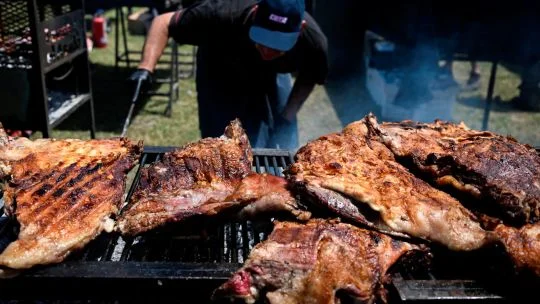
Recent data reveals that Argentines significantly reduced their beef consumption in the past year, with per capita intake declining by 9.5% in August alone. According to the Cámara de la Industria y el Comercio de Carnes y Derivados de la República Argentina (CICCRA), this amounts to almost five kilos less compared to the previous year, impacting traditional dietary habits in a nation known for its beef culture. For context, Argentina is famous globally for its high-quality beef, often seen as a staple food linked to the country's national identity. This shift in consumption patterns not only reflects current economic realities but could have long-term implications for Argentina's beef-centric culinary heritage.
Specifically, total beef consumption over the first eight months of the year reached 1.377 million tonnes, a stark decrease of 175,600 tonnes compared to 2022. The average per capita beef consumption now stands at just 46 kilos—a sharp 4.9-kilo drop year-on-year. Such a significant decline is alarming for a population that prides itself on its beef tradition. It begs the question: Are Argentines abandoning a component of their cultural diet out of necessity or choice? This decline could signify a broader transformation in dietary habits influenced by economic pressures.
Price Dynamics Influencing Consumption
The downturn in beef consumption is closely tied to escalating retail prices. While there was a slight monthly increase of 0.2%, beef and related products saw an astonishing annual price hike of 42.3%, far exceeding the overall inflation rate recorded at 33.7%. These figures reveal a severe strain on household budgets, compelling many consumers to reconsider their purchases. If you're working in this space, you'd recognize that consumer sentiment can shift rapidly when essentials like beef become luxuries.
CICCRA's report highlights that meat products have experienced one of the steepest price increases, directly correlating to dwindling cattle supplies sent for slaughter. In August alone, specific cuts of beef reflected even higher yearly increases, with prices soaring up to 52.7% for common minced beef and 51.2% for beef overall. This is more significant than it looks. When a population sees everyday items skyrocket in price, it doesn't just affect shopping habits—it alters mealtime traditions and even family gatherings.
Contrasting Trends in Exports
While domestic consumption is on the decline, beef exports have seen a 6.5% rise during the same timeframe, primarily fueled by increased shipments to the United States. This boost in export volume seems paradoxical against the backdrop of declining domestic demand but can be attributed to favorable trading conditions initiated by quotas granted by the US government in late 2025. The irony here is palpable: as the local market contracts, international demand remains high, underscoring a disconnect that could lead to larger economic challenges.
The latest data indicates that the domestic market has contracted by 11.3% in beef supply, intensifying the price pressures on consumers while also enabling better profit margins on exports. This dual pressure creates a complex narrative—higher prices domestically lead consumers to cut back, while producers focus on international sales for profitability. As a sidebar: this dynamic often leads to situations where local consumers feel neglected in favor of foreign markets, exacerbating feelings of economic disenfranchisement.
Even with rising prices, specific beef cuts are increasingly sought after, creating unique market dynamics that continue to evolve. For example, premium cuts may still command high prices abroad, while lower-end cuts struggle to find buyers locally. This further complicates the relationship between the local and international markets, revealing a potential misalignment in production and consumption needs.
The Implications Ahead
As these trends unfold, it's evident that Argentina's meat industry is at a crossroads. The country faces the daunting task of balancing heightened international demand against the realities of domestic consumption challenges driven by soaring prices. This isn't just a flash in the pan; rather, it signals potential long-term shifts in both consumer behavior and agricultural practices. If prices continue on this trajectory, we may see further declines in local consumption, leading to a fundamental transformation in Argentina’s renowned beef culture.
Moreover, how consumers react to this shift will likely have lasting implications for both local producers and food importers. With inflation chipping away at purchasing power, customers might seek alternative protein sources, further complicating the dynamics of the Argentine meat market. The ongoing scenario illustrates not just local economic pressures but also a significant transformation in how food is perceived—once a source of national pride, now under the lens of affordability.
In summary, Argentina finds itself navigating through turbulent economic waters where traditional dietary habits are being challenged. What this means for you, if you’re invested in the food or agricultural sectors, is a potential reevaluation of market strategies, targeted pricing, and consumer engagement initiatives. Adapting to these changing dietary patterns could lay the groundwork for future sustainability, but only if stakeholder interests align with consumer needs.
Discussion
Sign in to join the discussion.