In just seven months, Argentina has seen bankruptcy filings match the total for all of 2025, underlining the escalating economic crisis affecting companies.
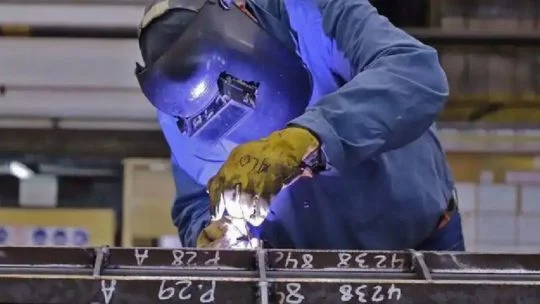
Argentina's economy is grappling with a troubling trend as filings for Procedimientos Preventivos de Crisis (PPC), akin to Chapter Eleven bankruptcy proceedings, have surged dramatically. In the first seven months of this year, the Human Capital Ministry recorded 163 PPC requests, equaling the total filings for all of 2025, according to public information access requests made by Perfil.
This alarming spike indicates a rapid increase in corporate distress. By July 31, 2023, PPC filings had not only matched the numbers of 2025 but had already surpassed the 131 procedures logged in the entirety of 2024. The gravity of the situation is underscored by the fact that 163 firms are actively engaging with the process aimed at averting mass layoffs and preventing outright closures.
PPCs, overseen by the Labour Department, allow struggling companies to manage their financial obligations more flexibly, granting them the ability to enact mass suspensions and reduce severance payment burdens. The recent government report highlights nuances in these cases, noting that agreements have been finalized in 24 instances, while 42 remain in process, and 19 have either been closed or put on hold.
Examining the broader economic implications, during President Javier Milei's two and a half years in office, PPC requests surged to a total of 458. Last year, Argentina experienced an economic contraction of 1.7 percent, yet a rebound to 4.4 percent growth occurred the following year. Despite this recovery, the frequency of receiverships has increased significantly, surpassing levels not just from recent years but also approaching figures from challenging periods in 2017 and 2018 when the GDP fell significantly.
The record for PPC filings remains with 498 cases in 2020, influenced heavily by the disruptions of the Covid-19 pandemic. Today, as sectors such as mining and agriculture demonstrate healthy growth, industries heavily reliant on labor, like manufacturing and construction, face more significant challenges. These sectors recorded monthly and yearly reductions, with declines reaching as high as five percent.
The Economic Impact and Future Projections
Recent economic indicators paint a mixed picture. By mid-2026, Argentina's monthly economic activity index showed a 2.7 percent growth, largely bolstered by mining, fisheries, and energy sectors. However, essential industries tied closely to job creation remain stagnant, which is evident from the uptick in PPC filings as companies seek assistance to navigate their precarious situations.
According to Federico Filippini, chief economist at Adcap Grupo Financiero, the growth for this year is projected below the anticipated three percent. Notably, the Universidad de San Andrés reported that the economic slump in Q2 effectively reversed gains made earlier in the year, showcasing a decline of 0.89 percent.
Consultancy Analytica indicated that July marked a significant downturn, predicting a drop of 1.1 percent. For sectors like construction, forecasts have been adjusted downward to 2.4 percent growth. Meanwhile, the Central Bank's expectations survey suggested a modest growth estimate of 2.1 percent.
Since the current administration took over at the end of 2023, the landscape for businesses has turned increasingly grim, with over 30,000 companies exiting the market—representing six percent of the formal employment sector. This trend reflects the steepest decline in corporate viability recorded during any new government’s first 30 months, with a steady closure rate extending over 16 straight months.
Challenges for Surviving Businesses
As economic pressures mount, firms still operating are navigating through severe financial constraints. A staggering 47 percent of industrial companies have reported challenges meeting some of their financial obligations, with nearly ten percent defaulting entirely, according to the Unión Industrial Argentina (UIA).
The rate of overdue debts in the financial sector has escalated sharply, increasing from 0.7 percent in late 2024 to 3.7 percent as of July, although this is not yet at historical highs. The number of companies in default exploded from over 16,000 to nearly 37,500, affecting 13.4 percent of indebted firms.
Small and medium enterprises (PyMEs) are bearing the brunt of this crisis, with a significant irregularity rate for loans under five million pesos—affecting roughly 60 percent of PyMEs—reaching 9.3 percent overall. The construction and retail sectors lead the pack in terms of credit issues, mirroring significant output reductions.
Recent Company Closures and Layoffs
Recent data from Fundar highlights stark examples of closures and layoffs. Will Der, a textile manufacturer, shuttered its Las Flores plant, impacting 120 employees. Unilever is set to close one of its plants, cutting 60 jobs due to shifts in consumer habits. Mar del Plata’s Toledo supermarket chain has faced financial strain, reportedly paying only 40 percent of salaries in July amidst ongoing labor disputes.
Further compounding these issues, La Granja Tres Arroyos received intense backlash for laying off 250 workers, citing pressures from domestic prices and restrictive export conditions. Sweet-biscuit manufacturer Tía Maruca permanently closed its San Juan facility, attributing the decision to insufficient operational capacity. Meanwhile, Peabody is exiting local production after 16 years, opting instead for a model reliant on imports, having declared receiver status due to overwhelming liabilities.
What stands out is that the relentless economic challenge is forcing even established companies to reassess their operations and strategies in a hostile market where survival is uncertain.
In conclusion, Argentina's rising PPC filings signal not just a wave of corporate distress but also highlight underlying economic issues that threaten the country's broader economic stability. As businesses navigate through these tough times, the hope for recovery remains tenuous at best.
Discussion
Sign in to join the discussion.