At Cottolengo Don Orione, 410 residents shape daily life through their interests and choices, while staff work to sustain care amid funding pressures.
Argentina’s “Cottolengo” has become shorthand for disorder. The Don Orione home in Claypole tells a different story: 410 people with disabilities live there, supported by 400 staff, and the institution’s stated aim is to help residents build lives around their own interests and choices. Pope Leo XIV is scheduled to visit on Monday, November 9. That visit may bring attention, but the home’s daily work is the more revealing story.
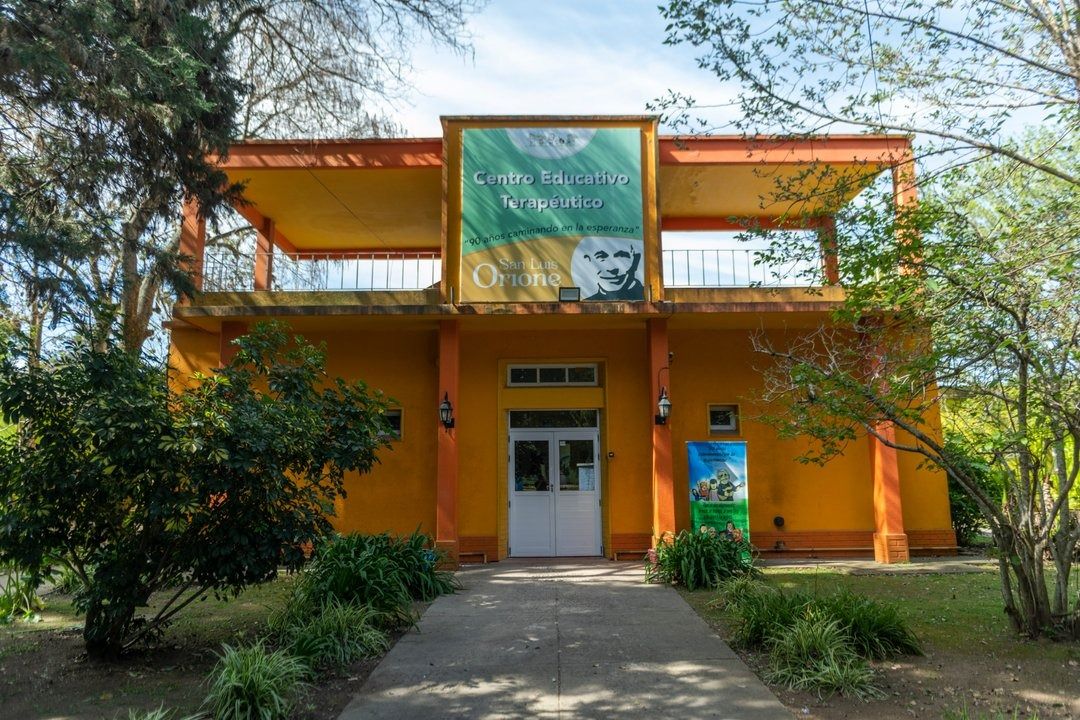
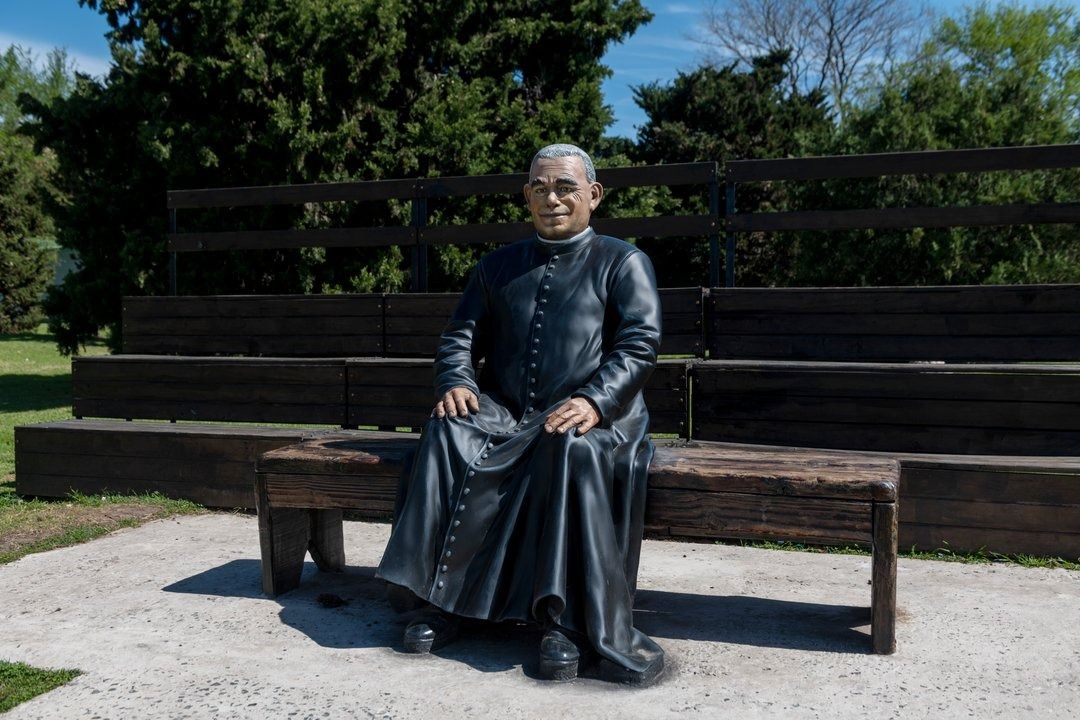
Founded on May 21, 1936, Cottolengo Don Orione is in the Almirante Brown district of Buenos Aires Province. Father Aníbal Quevedo, a Don Orione priest and provincial adviser overseeing operations in Argentina, Uruguay and Paraguay, describes the organisation as a permanent home and day centre for people with disabilities. He says staff relationships extend beyond employment: workers become friends and family to residents.
Quevedo grounds the institution’s mission in the Gospels. He invokes Jesus’s words about serving “the least of my brothers and sisters,” saying the organisation sees a vulnerable person who needs support as a way of serving Jesus. The practical meaning has changed over time. Food, shelter and basic medical care once defined adequate provision; now, he says, care means learning each person’s tastes, wishes and ideas, then responding in ways that suit their abilities. The aim, in his words, is happiness.
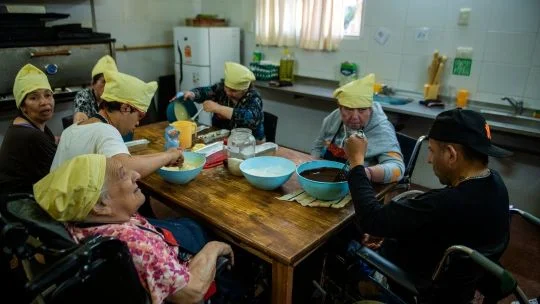
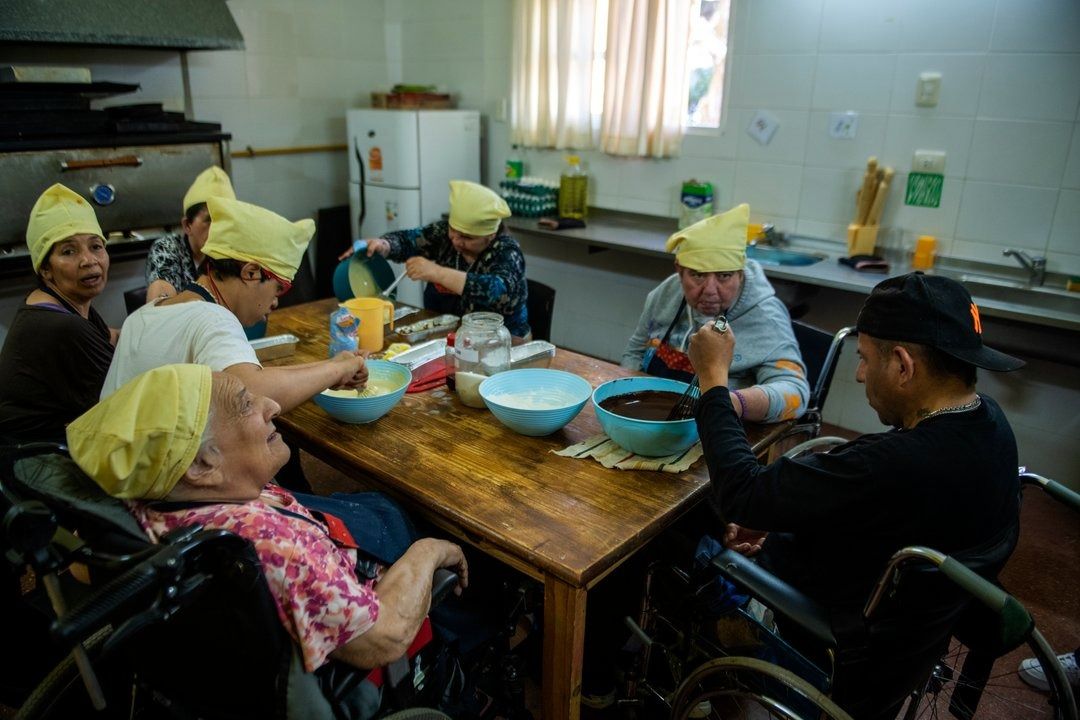
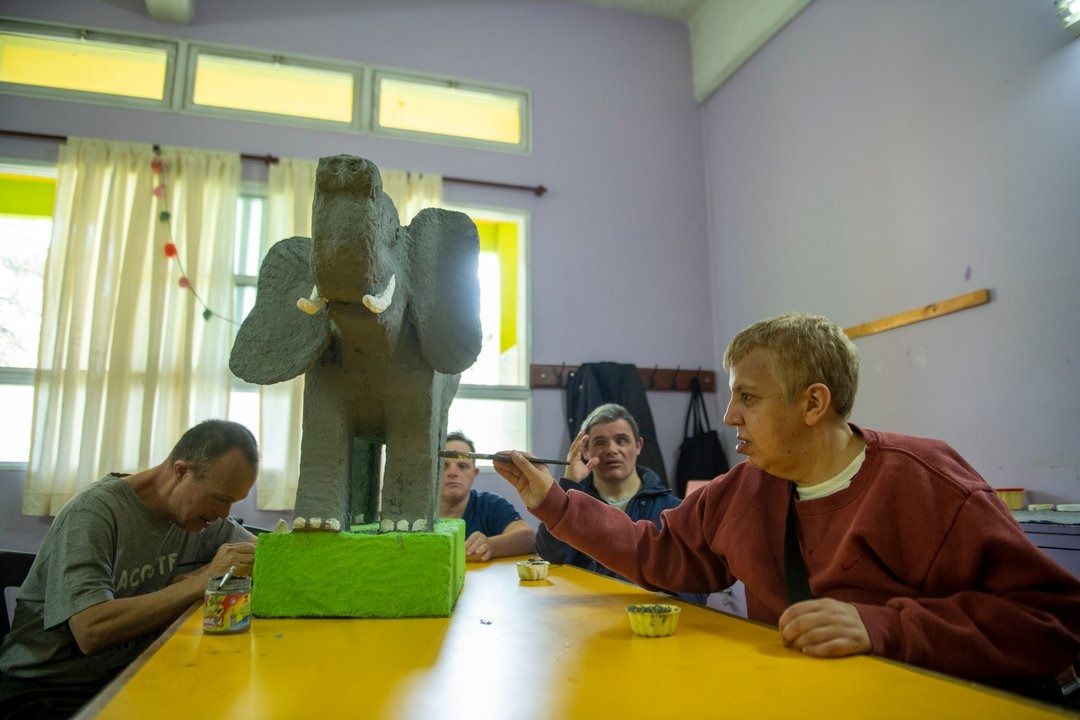
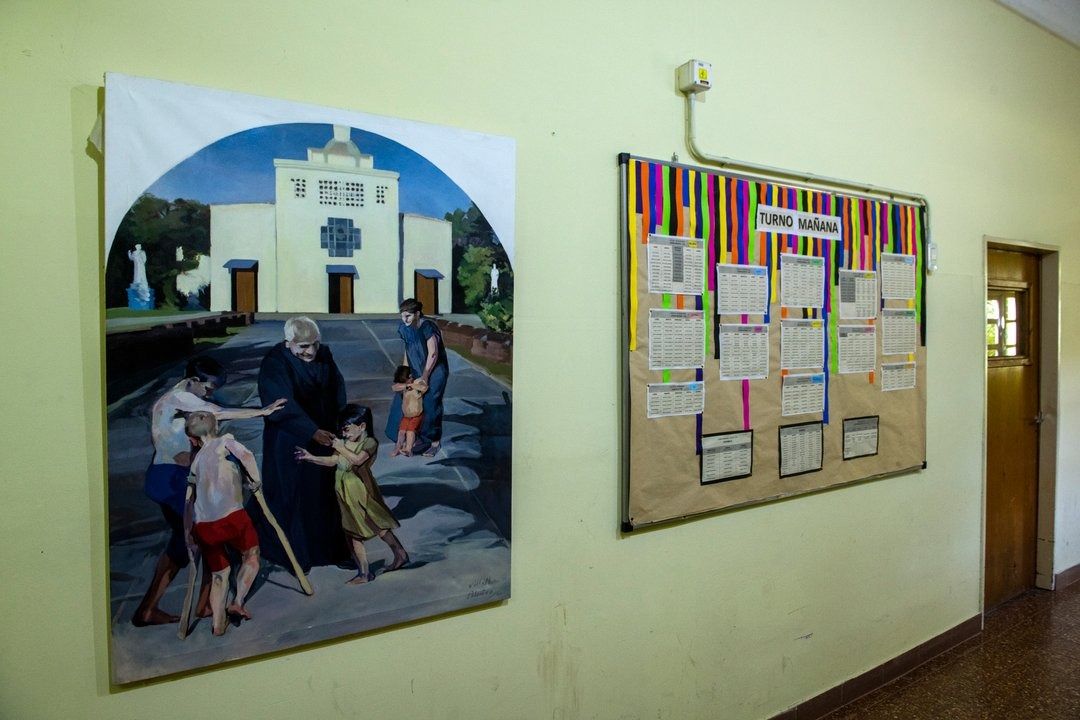
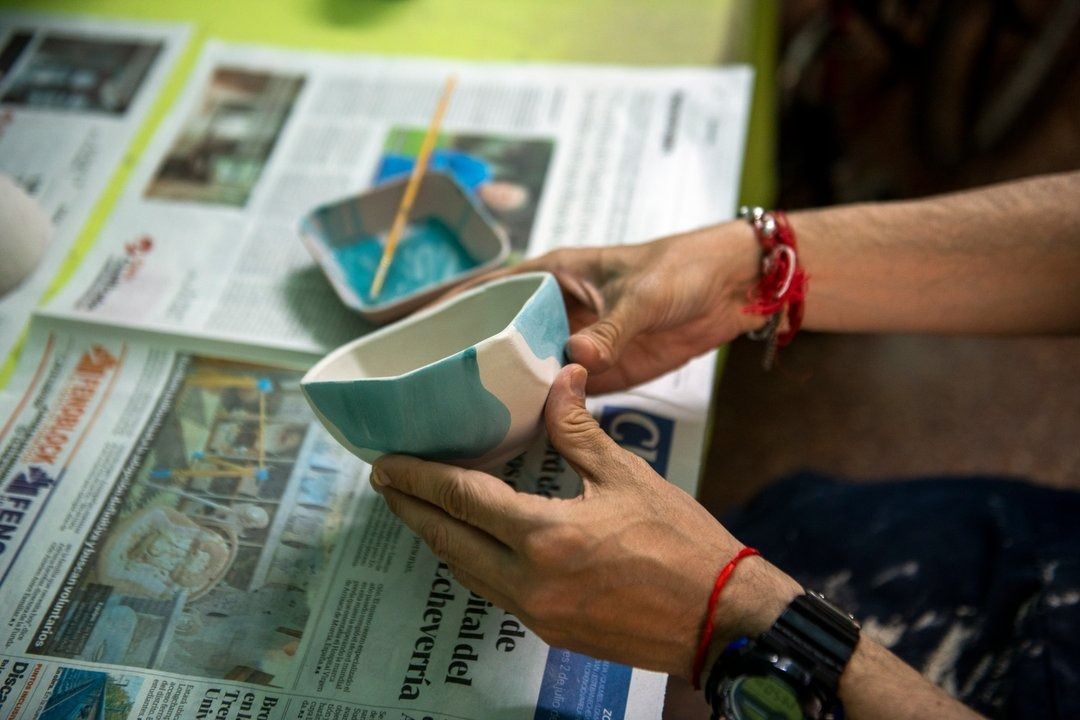
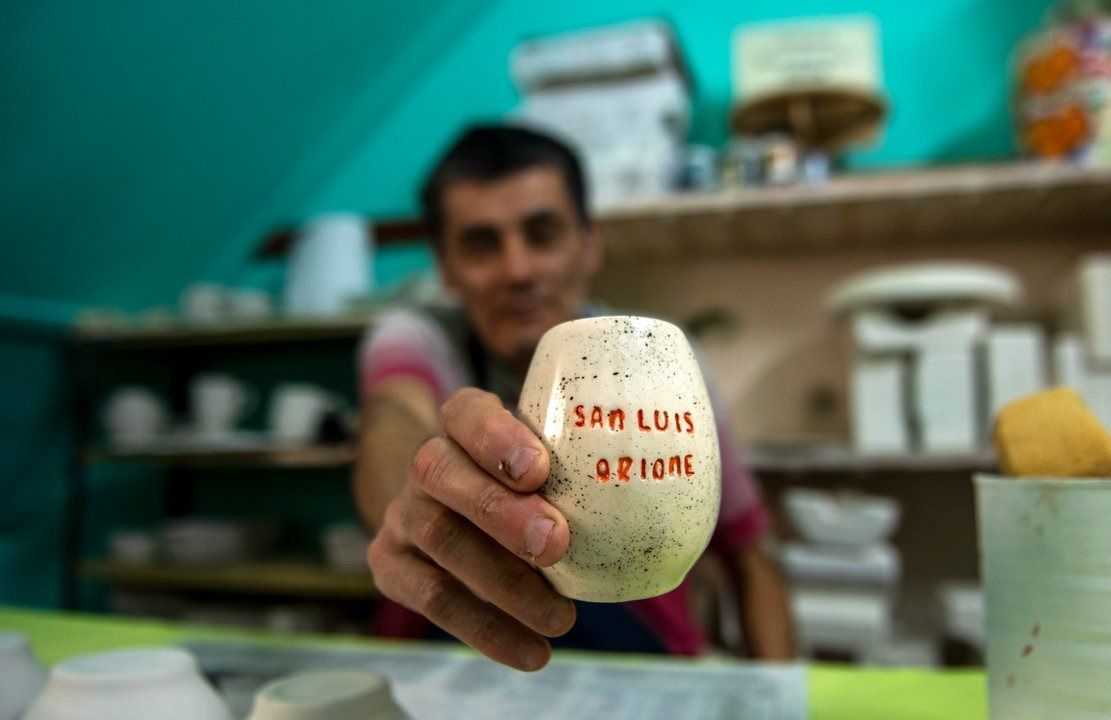
That principle shows up in ordinary routines. Residents take part in cooking, dance, gardening and current-events workshops, along with walks and Mass. They make cakes, work with pottery and notebooks, and create figures such as elephants and giraffes from recycled materials. Quevedo leads the current-events group, where residents bring in subjects they’ve heard about on television—among them inflation—to discuss and debate.
“Such is the life of a disabled person at the Cottolengo,” Quevedo says. His point is simple: residents have interests and opinions, not just care needs. The distinction matters in a country where disability services are under pressure.
Care depends on funding
The institution is funded mainly through residents’ healthcare programmes, including PAMI and Incluir Salud, Quevedo says. PAMI, the healthcare programme for older people, is the strongest of the three schemes he mentions; some residents also rely on provincial insurance. Donations help fill gaps, and the home raises money for specific needs, such as a trolley to move food.
That funding model sits inside a strained national system. Quevedo points to Law 24.901, which requires insurers to cover services according to individual needs. He says the law was once considered advanced for Latin America, but compliance has been partial or absent. A related “nomenclature”—effectively a price list for services—sets what insurers should pay. If a service lacks an agreed price, providers may negotiate directly with insurers, creating uneven rates and incentives for professionals to choose better-paying cases.
Quevedo warns that removing the price list could leave people with different levels of access to services that are supposed to be guaranteed. The resulting strain affects disabled people, their families and the institutions that support them. Cottolengo is a nonprofit, and any year-end surplus goes back into the home, but he says it still struggles financially. Payments were especially delayed in March and around Easter. Conditions have since improved, he says, while reimbursement has fallen and some supplies have disappeared, forcing the institution to spend more to meet residents’ needs.
The pressure has also reached food and workshop supplies, though Quevedo says this is not the worst point of the year. The debate over disability spending has become politically charged amid cuts in Argentina’s 2027 Budget. He says the home has spoken with officials from Senadis, the National Secretariat for Disability, but asks for no special treatment: Cottolengo does its work like other organisations in the sector.
Quevedo says austerity policies harm disabled people, but the institution avoids public attacks and political recruitment. It has worked through difficult periods for 90 years, he says, and intends to continue. The restraint is deliberate; it doesn’t mean the funding problems are minor.
A visit, and a rare moment of attention
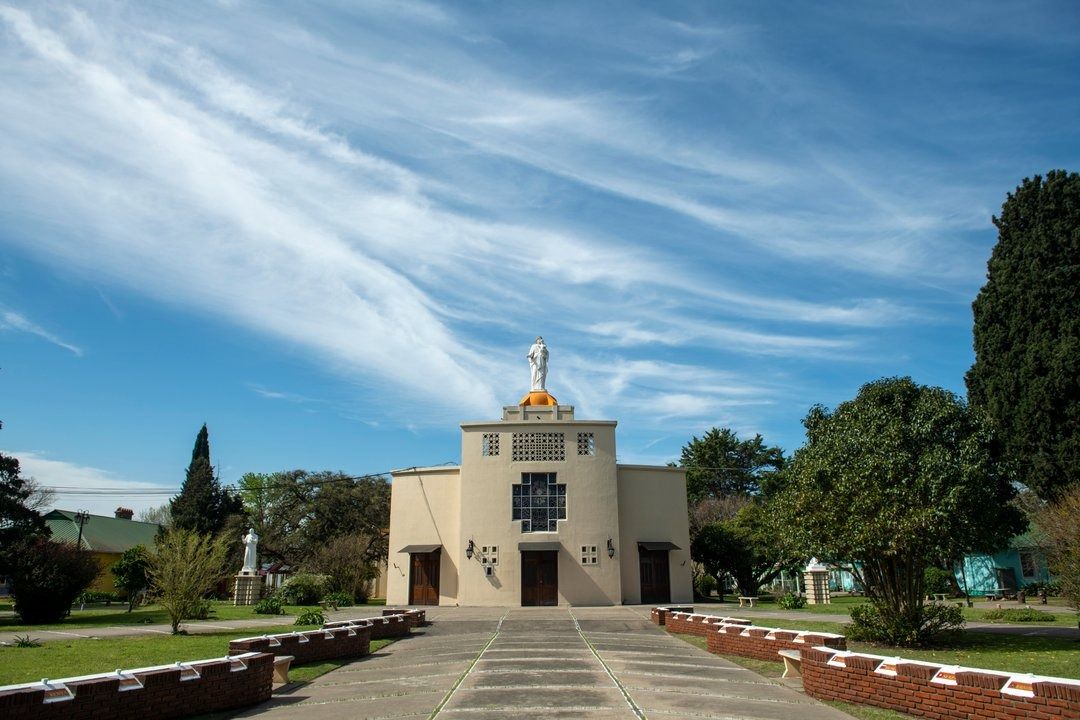
The grounds offer a quiet contrast to that financial uncertainty: green spaces, trees and birdsong, alongside a busy schedule of activities. Pope Leo’s visit, Quevedo says, is an extraordinary opportunity. No pope has visited Argentina in 39 years, and the attention surrounding this trip gives Cottolengo a level of personal visibility it has rarely had.
That visibility matters. A papal visit can draw eyes to the institution, but the test comes afterward: whether people continue to see residents as individuals with stories, plans and preferences—and whether the systems meant to support them provide the care they need.
 Pope Leo leaves on emotional South America tour weeks after surgery
 Argentina bonds drop as market flags intervention in peso debt
 Chinese humanoid robots play the piano as we figure out how fast to AI
 Argentina prepares for historic Pope Leo XIV visit
 What Milei can learn from elections in Brazil and United States
 Report: Miami-based Argentine pilot brokered payment for Flávio Bolsonaro escape flight
A visit that makes disability visible
The Pope’s visit matters to Father Aníbal Quevedo because it has brought attention to people and institutions that, he says, are usually overlooked. “It’s easy to see why the media are coming these days,” he said. Quevedo has rarely had the chance to speak publicly about Don Orione or Cottolengo; the papal visit changed that.
He wants the attention to reach beyond the institution. The disability sector has been made invisible, he argued, and the visit could prompt Argentines to ask how they treat and support disabled people. Cottolengo has served residents for 90 years, he said, and its work is rooted in Don Orione’s commitment to meet people’s needs through charity. Quevedo rejected the idea that the institution is in opposition to anyone, calling that view biased.
For him, the visit’s guiding message comes from Item 16 of the encyclical Magnífica Humanidad: “Let us not be afraid to get our hands dirty in the ‘construction site’ of our times,” building a society with God on the horizon and people at the centre of decisions. The passage calls for putting people, rather than ways of thinking, first. Quevedo sees that as the thread running through the Pope’s visit, especially his time at Cottolengo.
Care means time and company
Public language around disability has changed, from “handicapped” to “special needs” and now “disabled persons.” Quevedo said the deeper challenge remains: how society regards disabled people, and whether it is willing to spend time with them, listen and offer practical help. The Pope’s visit, he hopes, will make people examine their own part in that work.
That kind of attention is especially important at Cottolengo, where most residents have no family. Some residents who do have relatives receive little support from them. Quevedo described the task as caring for people and helping them live with wounds and difficult experiences. For many residents, he said, Cottolengo is their family; its buildings are homes, and the community offers a source of belonging and joy.
Small choices can make that belonging tangible. Quevedo directs Cottolengo homes in Lagos and Rosario. He takes pleasure in seeing residents decide to go for coffee together or share milanesas on a birthday. Making those plans possible can require staff to adjust their schedules, particularly on night shifts. The logistics may seem modest, but the decisions give residents a measure of self-determination.
Quevedo’s final point is that the joy surrounding the Pope’s visit belongs to the disabled people, their families and the staff who care for them, as well as to the Don Orione charity. The pastoral visit begins at Cottolengo on Monday, November 9; the events with officials that follow are, in his words, protocol. The heart of the visit is recognition—and a challenge to society to consider what each person can do to improve life for disabled people.
related news

by Agustina Zelayeta, Noticias Argentinas
Image Gallery
Discussion
Sign in to join the discussion.