Argentine bonds fell as repo rates surged to 190% and traders suspected official peso-bond buying ahead of large Treasury auctions.
Peso stability comes at a price
Argentina’s markets are confronting a difficult trade-off: keep the peso stable, or contain sharp swings in short-term borrowing costs. On Thursday, dollar bonds led emerging-market declines while the one-day peso repo rate jumped to an annualised 190 percent, up from 26 percent the previous day. It was the highest level since the October 2025 midterm elections, a sudden move that shows how quickly funding conditions can change when traders and policymakers are pulling in different directions.
The repo rate is a short-term borrowing cost, so a one-day spike doesn’t by itself establish where rates will settle. But such a large change can still unsettle investors: it raises questions about the availability and price of peso funding, and about how much volatility officials are prepared to tolerate while pursuing exchange-rate stability. In a market already sensitive to policy signals, the rate’s abrupt climb is part of the story, not just a technical detail.
The spike followed a sharp, unusually concentrated rally in peso notes a day earlier. Bonds maturing in 2029 and 2030 gained more than four percent Wednesday afternoon, reversing earlier losses as trading volume topped three trillion pesos—roughly three times its normal level. Prices resumed falling on Thursday. That reversal makes it harder to read the rally as a broad improvement in investor confidence: the timing and volume instead drew attention to who might have been buying.
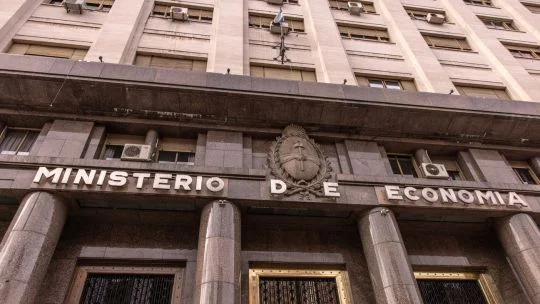
Market participants said the trading pattern pointed to a possible government purchase of peso debt. Brokerage PPI, consultancy 1816 and Martín de la Fuente, a strategist at Buenos Aires Valores, all cited signs of an official buyer. De la Fuente estimated the purchases at around two trillion pesos, or US$1.3 billion. The Economy Ministry and Central Bank declined to comment, leaving traders to interpret the market activity without confirmation of its source or purpose.
“What is clear is that the government prioritises exchange-rate stability over interest-rate stability,” said Belisario Álvarez de Toledo, a strategist at Grit Capital. He said the apparent willingness to accept substantial rate volatility raises a warning for the future. That’s a consequential choice: stability in one part of the market may be supported by allowing pressure to surface elsewhere. The immediate signal is clear; how long that balance can hold is less so.
A test ahead of Treasury auctions
PPI said a possible aim of the buying was to push down yields before the Treasury’s final debt auctions of the year, scheduled for next week. The next auction carries about 10.5 trillion pesos in maturities. The following two auctions will face another 66 trillion pesos combined, according to the brokerage. Those sums put the coming sales in focus because investors will have to decide whether to roll over maturing debt, seek other assets, or demand yields that reflect the risk they see.
That creates a near-term test for the government’s debt strategy. Traders are weighing whether any official support for peso bonds can hold yields down as large maturities approach, while the repo-rate surge shows the cost of managing short-term funding conditions can move quickly. If you're working in this space, the distinction matters: an intervention that steadies bond prices for a day doesn’t, by itself, show that demand will persist through a series of large repayments.
The scale of the maturities also gives the auctions a role beyond routine debt management. Their results may help show whether investors are willing to keep financing the government in pesos and on what terms. A weaker reception could put pressure on yields; a stronger one would offer some evidence that demand has held up. Neither outcome would resolve the broader questions around dollar debt or next year’s payments.
Longer-dated peso bonds had already suffered steep declines in early November. Anxiety over next year’s presidential elections and upcoming sovereign debt maturities has weakened demand for Argentine assets. Dollar notes have also dropped, with some trading at their lowest levels since October 2025. The weakness across both markets suggests that investors are weighing several risks at once, rather than reacting only to Thursday’s rate move.
Election and repayment risks weigh on dollar debt
Argentine assets had attracted investors last year as President Javier Milei curbed inflation and pursued fiscal discipline. But lacklustre economic growth could complicate his prospects for re-election in 2027. Markets are therefore confronting a familiar tension: policy measures that support confidence in public finances may coexist with economic conditions that make the political outlook harder to assess. The source of recent losses is not confined to one market or one policy signal.
Losses have also extended amid political developments abroad. They accelerated after right-wing ally Flávio Bolsonaro lost Brazil’s elections last month, then deepened after US voters rebuked Donald Trump’s policies in midterm elections this week. Those events don’t determine Argentina’s ability to repay its debt, but they show that investors are also responding to changes in the political climate beyond the country’s borders.
On Thursday, Argentina’s dollar bonds were the worst performers in emerging markets, with some notes losing two cents on the dollar. De la Fuente said investors are questioning the government’s ability to meet next year’s debt payments. Argentina faces roughly US$25 billion in hard-currency payments in 2027. The concern is direct: dollar-denominated obligations require access to foreign currency, while the price of peso debt and the level of short-term rates reflect a different set of market pressures.
“It looked more like an attempt to send a signal about where they wanted peso bond yields to trade,” De la Fuente said. Higher international rates are weighing on Argentina’s dollar debt, he added, and that pressure is carrying into the peso market. For investors, next week’s auctions will offer a near-term read on whether that pressure can be contained.
What the market is watching next
This is more significant than it looks. If the government did buy peso debt to influence yields, the action may indicate where officials would prefer borrowing costs to trade, but the market still has to show whether that preference can attract buyers. A signal can shape expectations. It can’t, on its own, settle the competing concerns over currency stability, funding costs and repayment capacity.
And this is the part most people overlook: Thursday’s rate spike and the bond-market losses are connected by investor confidence, but they aren’t interchangeable measures. Peso borrowing costs can swing sharply even as the government seeks to support the currency, while dollar bonds can remain under pressure because of international rates and questions about future payments. One market’s short-lived relief wouldn’t automatically reassure investors in the other.
What this means for you is that the coming auctions are a useful checkpoint, not a final verdict. Their reception may clarify whether investors will absorb large peso maturities at yields the government can accept. The longer test will involve whether market demand holds as election uncertainty and hard-currency payments come into view. For now, prices and rates point to a market still asking for evidence.
A volatile day can be read as a warning, but it doesn’t settle the direction of policy or the eventual cost of borrowing. That said, the contrast between a possible official effort to support peso notes and a repo rate of 190 percent is difficult to ignore. A signal, then a test.


Discussion
Sign in to join the discussion.