The upcoming papal visit looms over Argentina's political landscape, highlighting tensions within the government and the complexities of economic issues.
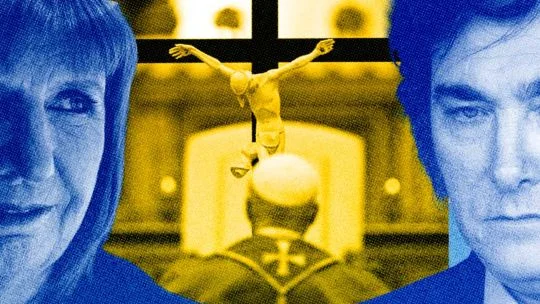
Argentina finds itself at a crossroads, with the anticipated papal visit cast in uncertainty due to a recent health scare surrounding the Pope. This situation has amplified existing tensions in the political arena and economic debates, reflecting a broader state of limbo just over a year before the elections. President Javier Milei's focus on single-issue politics shows cracks as discontent manifests in protests over university funding, land laws, and the growing issue of household debts. The national psyche seems fragile, teetering on the edge of frustration as various factions vie for attention and influence.
Political Dynamics and Opposition Challenges
Despite the premature nature of electoral forecasts, opposition groups are struggling to gain traction against Milei's distinctly libertarian approach. They face an uphill battle as their lack of unified leadership diminishes their credibility compared to Milei's absolute stance. The latest protests underline the fragmentation of opposition forces, showcasing voices of dissent that may benefit Milei’s re-election bid by creating perceptions of his steadfastness amidst chaos. It's a tough sell, especially when progressive reforms appeal to a populace weary of unsustainable austerity measures, yet the opposition hasn't consolidated enough strength to drive a coherent counter-narrative.
Milei's policies have resonated with a segment of the electorate disenchanted with traditional political parties; his loud proclamations on economic freedom have captured attention. In a country where inflation rates have regularly eroded the value of savings and wages, this rhetoric speaks volumes. However, the governing coalition’s failure to address pressing societal needs could foster an opening for a more coherent opposition platform. Yet the question remains: can they organize in a way that forms a viable alternative?
Senator Bullrich: A Figure of Contention
Senator Patricia Bullrich personifies this complex dynamic. Leading the government caucus while retaining ties to the opposition, her rising popularity within elite circles suggests she might emerge as a formidable candidate—potentially bolstering Milei's waning support. However, her mixed messages on critical issues such as household arrears could alienate the libertarian base, which expects uncompromising adherence to free-market principles. This inconsistency is a precarious tightrope walk, reflecting how potential power shifts often clash with deeply rooted ideological stances.
Should Bullrich align with the re-election bid of current City Mayor Jorge Macri, her options may narrow, compelling her to seek the presidency instead of remaining in the Senate. However, doing so would require her to distance herself from Milei's policies, particularly concerning assistance for the distressed sectors of the population. Striking that balance will be critical, especially as both Bullrich and Milei eye the same voter base, a group that increasingly feels neglected.
Household Debt and Political Accountability
The paralysis affecting Congress is stark, especially regarding the pressing issue of household debts. There’s a spectrum of financial distress stretching from genuinely vulnerable individuals to those whose extravagant spending habits led them to overextend. Recent proposed legislation in Congress—numbering around 50 bills—displays a tendency to oversimplify these complex scenarios, often blaming lenders rather than addressing individual responsibility. This oversimplification is a recurring theme in political discourse that often overlooks the broader economic context.
For instance, calls for state intervention and capping interest rates reflect prevalent ideas but fail to appreciate the nuances involved in such a multifaceted problem. When the government dismisses debt issues as a “private problem” yet enacts severe fiscal measures, it only serves to deepen public discontent. The abrupt interest rate hikes and steep public service cost increases have exacerbated the economic problems that politicians now grapple with. The sentiment among citizens is that instead of providing solutions, Congress is merely shifting the blame and complicating matters further.
What you're seeing is frustration boiling over. People are fed up with quick fixes that fail to address their realities. Politicians who merely express sympathy without tangible plans risk alienating their base, which is desperate for real support and accountability. This could backfire, especially as political leaders are held to higher scrutiny in today’s digitized and socially activated society.
The Uncertain Future
With the papal visit looming, all discussions on these multifarious issues may need to pause. The intersection of political aspirations and escalating discontent creates a precarious situation. Will the papal visit provide a respite for the political turmoil? And if so, how long can the façade of tranquility last in a deeply divided political landscape? The impending visit isn’t just a religious formality; its implications for social cohesion and political capital are significant.
If you’re working in this space, it’s vital to consider how these events could reshape public sentiment and influence political maneuvers. The papal visit could act as a double-edged sword—offering temporary hope while also exposing deeper divisions within society. Observers will be keenly watching how leaders respond to both the emotional gravity of the visit and the underlying tensions that continue to simmer. With so many factors at play, the outcome remains uncertain, yet the stakes couldn’t be higher.
Discussion
Sign in to join the discussion.