African teams faced organizational issues and inadequate facilities during their friendlies in Argentina, overshadowing the games' allure.
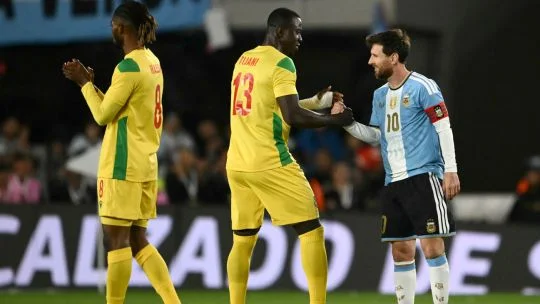
When Benin and Burkina Faso arrived in Buenos Aires for friendly matches against Argentina, including a notable game featuring Lionel Messi, players likely envisioned a once-in-a-lifetime opportunity. However, reality quickly shattered that ideal, revealing significant organizational failures that marred the experience.
A member of the Benin delegation highlighted the chaos surrounding their arrival, describing the logistical nightmare their team endured. The flight to Buenos Aires wasn’t merely hours but stretched into days. Once they arrived, the accommodations fell short, with no hot water available in the hotel and subpar training facilities that didn’t meet professional standards. Such experiences are symptomatic of a larger issue—African teams often find themselves at a disadvantage when participating in friendly matches against more affluent nations.
Logistical Disasters and Last-Minute Arrangements
The friendly against Burkina Faso exemplified chaos beyond expectations. On the eve of the match, the Stallions found themselves stranded in Morocco due to a canceled flight. This wasn’t just an inconvenience; it was emblematic of the broader systemic issues plaguing African teams on the international stage. The last-minute scramble for alternative travel arrangements led their senior squad to refuse boarding a plane in frustration. As a result, they fielded a hastily assembled under-23 squad, exacerbating their chances of a favorable outcome.
Battling jet lag and underpreparedness, they suffered a staggering 7-0 loss to the star-studded Argentine side. This isn’t just a fluke; it highlights how logistical inefficiencies can critically impact performance. For players, being in prime condition is vital. Jet lag can throw off physical readiness and tactical cohesion. Combine that with poorly arranged travel, and it’s a recipe for disaster. Burkina Faso’s military ruler Ibrahim Traore lamented the poor state of the country’s football and threatened to initiate significant changes to remedy the situation. Such sentiments underscore the urgency felt by these federations—there's an understanding that the status quo is no longer tenable.
Football federation official Ibrahim Dianda took to social media to warn about the potential recurrence of these issues if relationships among stakeholders didn't improve soon. This is a clear indicator of the challenges faced by national teams: they’re caught in a web of bureaucracy, where interests across various entities often clash, leaving athletes in the lurch.
Cultural Realities and Financial Motivations
A serious question looms: who’s responsible for the predicament African teams find themselves in during these friendlies? Some point fingers at the African federations for accepting these uneven deals. Others suggest the Argentine Football Association (AFA) exploits its prominence, especially with Messi’s involvement, to draw revenue while sidelining the needs of visiting teams. There’s an ongoing debate about the ethics behind such lopsided arrangements. What’s the cost of admitting defeat on a world stage?
The AFA, currently facing its financial struggles—including a money-laundering investigation and accusations against its president, Claudio “Chuqui” Tapia, for tax evasion—has been criticized for organizing “chatarra” or subpar fixtures. This raises an additional concern regarding transparency and the potential for corrupt practices. Hosting teams like Mauritania and Zambia in recent times raised eyebrows, as the AFA racked up wins but did so against opposition of questionable caliber.
For fans and pundits alike, the humiliation experienced by these African teams fuels further scrutiny. The inequities embedded in such match arrangements spark debates about the ethics of chasing profit at the expense of teams that lack power in negotiations. It's a microcosm of global football, where wealth and prestige dictate terms, often dismissing the developmental needs of less fortunate federations.
Contractual Commitments and Future Implications
Match organizers Eurodata Sport have defended their actions, indicating they fulfilled contractual obligations but avoided addressing the concerns raised surrounding the accommodations and travel conditions. This defensive posture raises questions about accountability in football's international matchmaking processes. If you’re working in this space, these organizational red flags should concern you. Without acknowledging logistical failures, both teams and fans face an uphill battle against a system that seems resistant to change.
Given the complaints and backlash, the future of these international friendlies could undergo a significant reassessment, particularly for African teams seeking fairer treatment. Moreover, as anticipation builds for the next international window in November, there’s a pressing need for all stakeholders to ensure that the foundations of such matches are built on equitable partnerships. Failing to address these systemic issues now could lead to even more severe ramifications, casting a long shadow over the integrity of friendly internationals. The stakes are high, and the responsibility is shared—this is a moment for action.
Looking Ahead: The Future of African Football Friendlies
The challenges faced by African teams in friendly fixtures need urgent attention. They highlight a troubling dynamic within international football, where disparities in power and resources create an uneven playing field. If these issues persist, we might witness a decline in the caliber of competitive matchups—there's only so much humiliation teams can endure before they push back. Efforts for reform might emerge, aiming to ensure that matches are not just revenue-generating spectacles but genuine opportunities for development.
As federations reflect on their roles, fans and analysts should keep an eye on potential changes in how international matches are organized. It’s time to rethink the structure, so everyone has a fair shot, regardless of their financial means. The football world shouldn't just be about the biggest stars or the most lucrative venues; it should also embrace equitable growth and development. The implications of these experiences aren’t just fleeting—they may very well shape the future of African football on the global stage.
Discussion
Sign in to join the discussion.