Argentina has overcome sanitary barriers to re-export beef to Japan, opening up new opportunities in one of the world's largest beef markets.
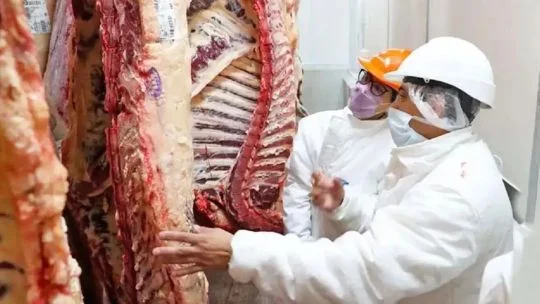
Argentina's government has announced a significant breakthrough, having finalized the necessary sanitary agreements to re-export beef to Japan after nearly two decades of negotiations. This marks a pivotal moment for the nation as it aims to tap into one of the most lucrative beef markets globally.
Negotiation Background
The negotiations commenced earnestly two years ago, focused on exporting beef from regions recognized as free from foot-and-mouth disease, particularly the central and northern areas of the country. Economy Minister Luis Caputo described the agreement as historic, emphasizing its potential to unlock new avenues for Argentine production and exports. The talks were intricate, reflecting both Argentina's aspirations to enhance its trade relationships and Japan's stringent import requirements, which were heightened due to health concerns. Trust and transparency were key, as Japan sought assurance that imported beef would meet its rigorous safety standards.
Market Potential and Challenges
Japan’s annual beef import figures exceed $3 billion, highlighting the substantial market opportunity for Argentina. This potential is especially alluring, given Japan’s status as one of the highest quality meat markets in the world. The deal has been praised for acknowledging the quality of Argentine beef and the integrity of its health regulations. However, any significant gains may be tempered by Japan's high import tariff of 38.5%, which imposes a notable hurdle on the anticipated benefits of this market access. In practice, this means that while Argentine beef could be well-received for its flavor and quality, the cost implications could limit its competitiveness against domestic and other international offerings, particularly from countries enjoying lower tariffs.
Historical Context
This move follows Argentina's initial request to access the Japanese market back in 2006, with renewed efforts intensifying in 2024. During these years, the geopolitical climates shifted, impacting trade discussions altogether. Japan had already permitted imports from southern Argentina, recognized as a disease-free zone, since 2018; however, actual trade had remained minimal, underlining the challenges that lingered even after initial agreements. The enduring negotiations reflect Argentina's resilience and commitment to finding a foothold in a market that is often seen as difficult to penetrate due to its regulatory framework and consumer preferences.
Broader Market Access
Argentina’s Foreign Minister Pablo Quirno has articulated that this agreement extends access beyond the Patagonian region, thus broadening the scope for beef exports across the nation. The inclusion of by-products like beef tongue is particularly interesting, as it signifies a wider range of culinary preferences and demands within Japan that Argentine producers can cater to. This diversification in product offerings could allow Argentine beef to not only enter premium sectors of the market but also present more affordable options for various consumer segments. (and this is the part most people overlook) This wider market access can't just help in beef valuation; it can also assist smaller producers in Argentina who may have been sidelined in previous discussions.
Next Steps for Export Implementation
Before exports can commence, Japanese authorities will conduct an audit of Argentina’s sanitary system, inspecting establishments intending to ship beef to Japan. This process concludes a complex, 12-stage approach initiated back in 2006, propelled by recent political priorities to prioritize market access. Ensuring compliance with Japan's rigorous health and safety standards will be paramount; successful audits can pave the way for operational exports within a matter of months, depending on the thoroughness and efficiency of the evaluations. Failure to pass these initial inspections, however, could result in renewed delays, a scenario that could undermine the momentum gained thus far in negotiations.
Implications for Argentina's Beef Industry
The beef industry in Argentina is currently experiencing a unique moment, with export levels reaching new heights while domestic consumption continues to decline. The average annual beef consumption per person has dropped to 46 kg, reflecting a 9.5% decrease year-on-year. In 2025, Argentina exported a record $3.7 billion worth of beef, which represented a 22.3% increase compared to the previous year, buoyed by favorable global prices and the removal of prior export restrictions implemented by President Javier Milei. This raises an interesting question: What will happen if domestic consumption continues to fall? Could reliance on exports more heavily skew the market dynamics?
While the Chinese market remains dominant for Argentine beef, gaining access to Japan represents an important diversification opportunity in a competitive global environment. The ability to sell to Japan could not only enhance the financial stability of Argentine producers but also provide them with vital experience in meeting high international standards, which could position them better in other premium markets as well. Japan's Animal Health Committee had earlier assessed that the risks of disease introduction through boneless beef imports from northern Argentina were very low, provided that effective health measures were observed. However, this assurance does come with expectations of impeccable compliance, which may necessitate an overhaul of practices for some producers.
Future Outlook
If you're working in this space, consider the longer-term strategies that may arise from this agreement. As Argentina enters the Japanese market, how quickly producers adapt to new regulations and refine their offerings could dictate their success. The benefits of this deal won't just be seen in immediate sales; they may also influence the global perceptions of Argentine beef quality and set a standard for future negotiations with other markets. It's clear that the implications of these agreements echo far beyond mere figures—they shape industry directions and impacts for years to come.
Discussion
Sign in to join the discussion.