The trial of Loïk Le Priol and Romain Bouvier, accused in the murder of Federico Martín Aramburú, has drawn emotional testimonies and calls for justice.
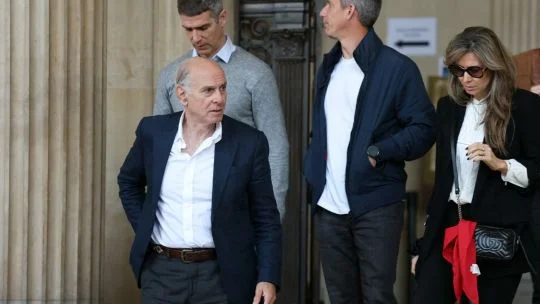
The trial of Loïk Le Priol, 32, and Romain Bouvier, 35, suspected of murdering former Argentine rugby player Federico Martín Aramburú, concluded recently with emotional appeals for forgiveness from the accused. Aramburú was fatally shot following a confrontation at a Paris brasserie in March 2022, escalating scrutiny on violent acts and their consequences. The incident has sparked dialogue not only about the nature of violence but also about its broader implications on society and the individuals involved.
The Charges and Their Implications
Prosecutors have requested a 27-year sentence for Le Priol, who fired the fatal shots, and 20 years for Bouvier, who initially opened fire. Both men face serious charges, including murder and attempted murder, which could land them life sentences in prison. The severity of the charges underscores the intensity of the situation, suggesting that this isn't just a simple case of barroom brawling, but something that touches on deeper societal issues regarding violence and personal accountability.
What’s significant here is that the prosecution's recommendation reflects a serious approach towards violent crime, particularly in urban settings like Paris. While France has faced its share of high-profile crime cases, incidents that attract international attention, especially when they involve a sports figure, can catalyze widespread public opinion and demand for change in legal consequences for similar actions. This trial serves as a litmus test for how justice is served in high-stakes cases.
The Victim’s Legacy
Aramburú, aged 42 at the time of his death, was greatly admired for his contributions to rugby, having earned 22 caps for Argentina and built a significant following during his time with Biarritz in France's Basque Country, where he ultimately settled. His tragic passing has not only robbed his family of a beloved father and husband but has left a void in the rugby community as well. The reaction from his peers illustrates how his story has resonated beyond personal tragedy. The sport community in Argentina united, with national players wearing T-shirts emblazoned with “Justice for Fede” ahead of a match, channeling their grief into a public call for accountability.
Aramburú's legacy exists in the memories of those who knew him. As a sports figure, he inspired many young players, and his death serves as a sobering reminder of the consequences of violence, a recurring theme in sports culture, often glossed over in discussions about athlete behavior.
The Emotional Appeals from the Accused
During the trial's conclusion, Le Priol expressed remorse, stating, "I am a Christian, just like you," while urging Aramburú's family for their forgiveness. This kind of appeal can often come across as hollow, suggested by the surrounding circumstances — self-defense claims contrasted with evidence of excessive force. Le Priol linked his plea to a visit by Pope Leo XIV to Paris, reflecting on the significance of the moment. It raises questions about sincerity in such emotional appeals. Are we witnessing genuine remorse, or is this a performance aimed at mitigating their sentences?
Bouvier's emotional breakdown when addressing Aramburú's family further illustrates the psychological weight of the trial experience. It’s complex. The aggressive act of firing multiple rounds, a dramatic gesture claiming self-defense against Aramburú and his friend Shaun Hegarty, clashes sharply with their displays of remorse. While this psychological struggle is human, it doesn't erase the responsibility for their violent actions.
The Defense and Public Reaction
The defense highlighted both men’s backgrounds, citing Bouvier's childhood trauma and Le Priol’s post-traumatic stress disorder, attempting to frame their violent actions within a larger context of personal suffering. This can be a double-edged sword; while it invites sympathy, it also risks portraying them as victims of circumstance rather than as responsible parties. The emotional testimonies presented by Hegarty condemning the defendants for evading accountability complicate the narrative. There's a tension between understanding trauma and absolving responsibility, which is critical in the eyes of the law.
Public sentiment appears to be largely in favor of justice serving as a deterrent against violent behavior. Many in the crowd during the trial noted that such feelings shouldn't overshadow the need for accountability. If you’re working in this space, the intersection of mental health and legal accountability is fraught with challenge. The responsiveness of the judicial system to personal backgrounds needs to be balanced against the societal impact of violent crime.
Looking Ahead: What’s Next?
The court’s verdict is anticipated shortly, but it could prove to be more than just a reflection of justice served. The outcome may influence discussions surrounding violence in social settings, the responsibility of sport figures, and how society perceives accountability in cases resulting from personal trauma. The echo of Aramburú's legacy must not be forgotten, and the principles of justice are on trial alongside Le Priol and Bouvier. The nexus of sports and personal conduct often leads to a deeper examination of community values, where hopes for reform may both inspire change and expose lingering societal fractures.
Related News

by Nicolas Gaudichet, AFP
Discussion
Sign in to join the discussion.