Giorgione, a key figure in Venetian art, reshaped the use of color and light, influencing modern painting in his short yet impactful career.
* The author is part of La Vanguardia's reader community
Giorgione: A Revolutionary Figure
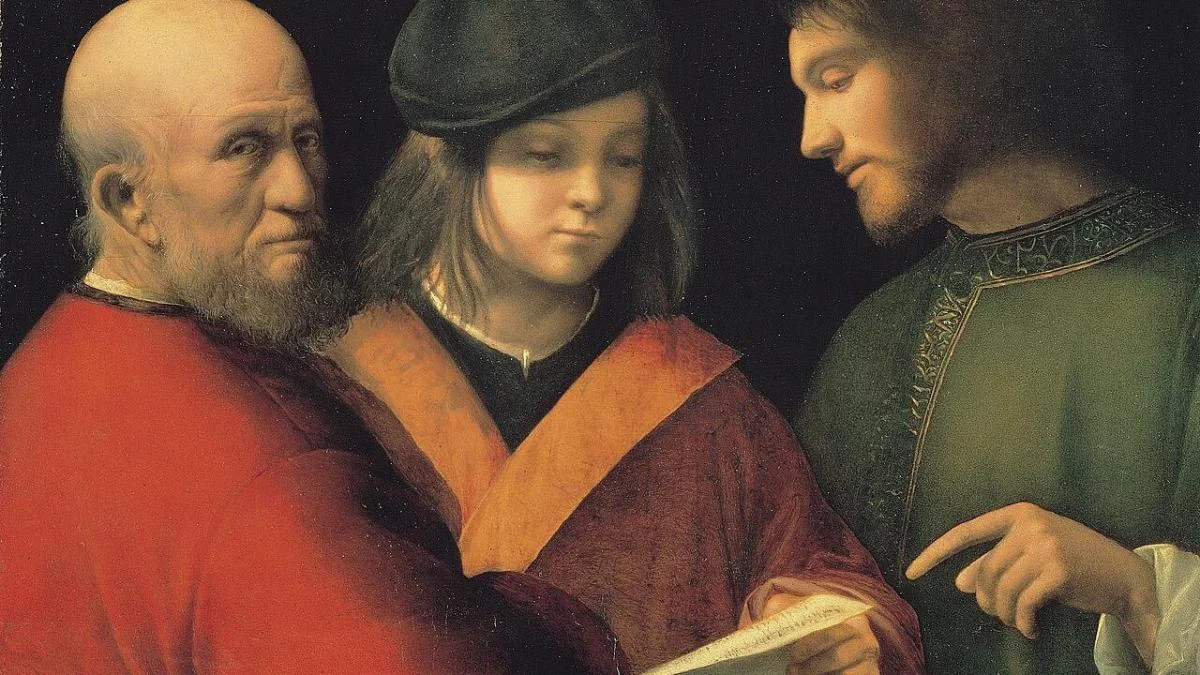
Giorgione (circa 1477/1478–1510) redefined the contours of Venetian painting in a transformative period for art, laying the groundwork for modern art within a mere decade. This enigmatic figure of the High Renaissance emerged as a pivotal force alongside contemporaries like Giovanni Bellini and Titian. His brief but intense career was arguably one of the most impactful in the transition between medieval conventions and modernity in artistic expression.
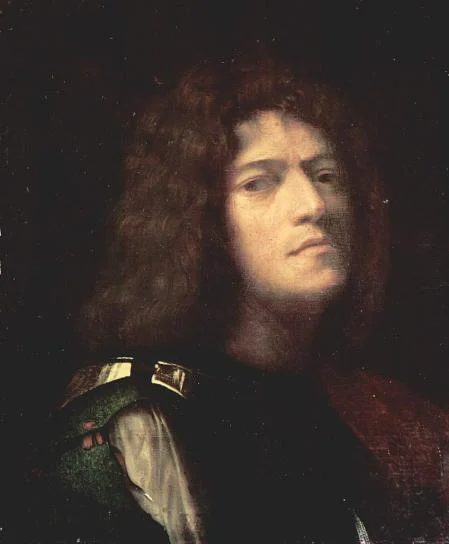
Born Giovanni Barbarelli in Castelfranco, Veneto, Giorgione’s artistic journey began in the proficient studio of Giovanni Bellini, a master who influenced his synthesis of color and light. Described as refined and passionate about music, Giorgione wasn't just a painter; he was also a talented lutenist and singer. These attributes suggest a lifestyle immersed in the cultural and intellectual currents of the time. His life was tragically cut short in 1510, succumbing to a plague in Venice at the tender age of 33. This premature end only amplifies his mystique and the potential of what might have been had he lived longer.
Artistic Style
- His primary contribution involved incorporating color and light, departing from the Florentine tradition of drawing to create a distinctly modern Venetian path. Giorgione's use of color was not just a shift; it allowed him to convey emotion and atmosphere in previously unexplored ways.
- He adopted oil painting techniques alongside Leonardo da Vinci’s sfumato, softening edges to blend figures into a lyrical atmosphere. This technique arguably pushed the boundaries of realism closer to expressionism.
- Landscapes in his work transitioned from mere backgrounds to significant elements that mirror the expressiveness of human figures. This evolution reflects a growing awareness of environment’s role in spiritual and emotional narratives.
- Seen as a master of depicting turbulent skies and melancholic sunsets, these features frequently appear in his works. This fascination with dynamic nature signals a deeper thematic exploration of human existence within a larger universe.
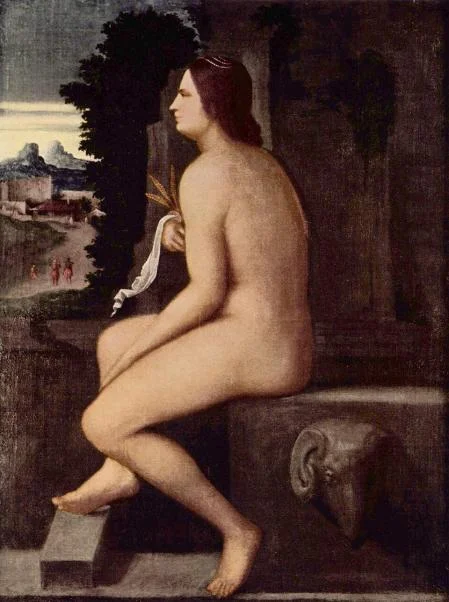
- His paintings are described as visual poems open to interpretation. The notable Venus Asleep integrates the female nude with nature, setting the standard for women's representation in Western art as sensuous and harmoniously connected to their surroundings.
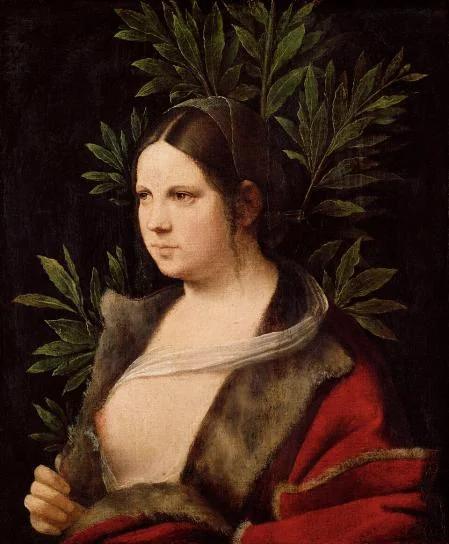
Significant Works
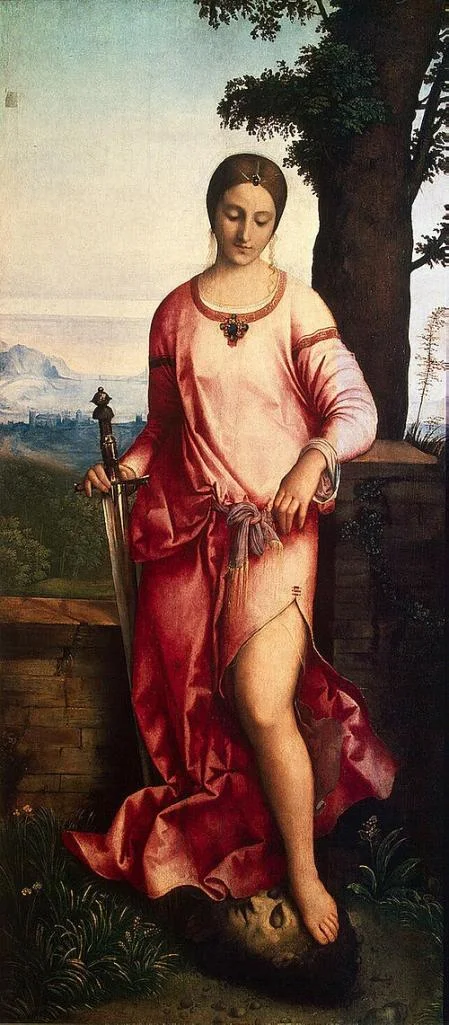
- The Tempest (c. 1508)
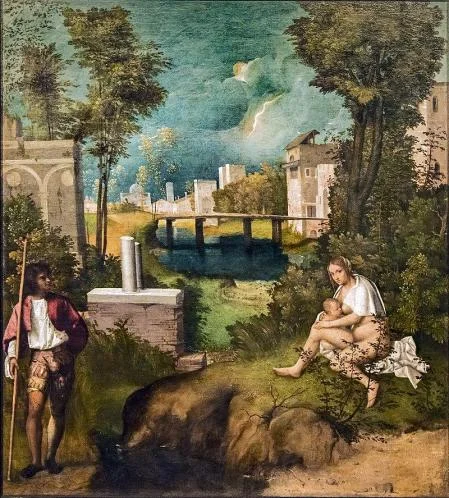
An enigmatic piece featuring a soldier and a nursing woman enveloped in a stormy landscape dominated by a lightning bolt, this painting merges mood with psychology, allowing nature to take center stage. It reflects Giorgione's belief in the potency of shared human experiences, signifying the connection between man and nature.
- The Three Philosophers (c. 1509)
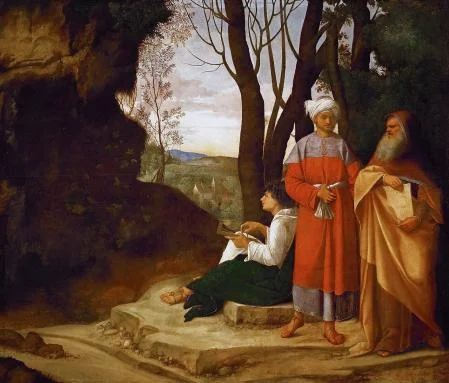
This artwork depicts three men of varying ages set against a contemplative natural backdrop, rich with esoteric or astronomical symbolism. The imagery speaks to the broader questions of human existence, curiosity, and exploration of knowledge that were prevalent during the Renaissance.
- Venus Asleep (c. 1510)
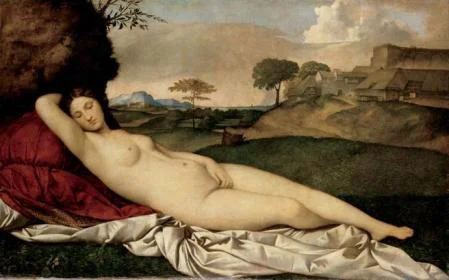
This work embodies sensual aesthetic and elegant lines, directly influencing Titian’s Venus of Urbino. It established the archetype of the female nude: a sensuous figure in perfect harmony with nature. Its legacy is significant, extending to artists like Titian, Velázquez, Rubens, Ingres, and Manet, many of whom drew from its themes and aesthetics.
Collaboration with Titian
- Pastoral Concert
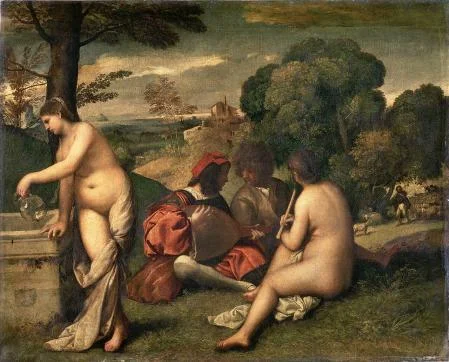
Traditionally attributed to Giorgione, art historians now lean toward crediting this piece to a young Titian. It's possible this work was initiated by Giorgione and completed by his pupil after his death. Radiographic studies suggest alterations were made to characters shortly before its completion. This blurring of authorship not only highlights Giorgione’s influence on Titian but also reflects broader themes of collaboration in Renaissance art.
Two young men converse while playing a lute, accompanied by two idealized nude women. The soft, golden atmosphere celebrates the interplay between humanity, music, and the natural world. It's a vivid representation of the ideals and emotions of the Renaissance, showcasing beauty and conviviality.
Implications and Legacy
If you're working in this space, consider how Giorgione’s approach exemplifies a shift in perspective during the Renaissance. His works invite viewers to interpret them on multiple levels—emotionally, intellectually, and sensually. This multidimensionality is key to understanding art's evolving function in society. The significant influence Giorgione has had—directly or indirectly—is difficult to overstate. He set the tone not just for Venetian painting, but for the portrayal of humanity in art going forward.
The interplay of man, nature, and divinity becomes central themes across many subsequent art movements. Giorgione’s legacy reaches into modern artistic expressions and dialogues, where the exploration of human emotion, nature, and their intersections remains a focal point. His brief yet vibrant career serves as a reminder of art’s power to convey complex ideas and feelings, framing our understanding of beauty and truth in the process.
Discussion
Sign in to join the discussion.