A new wild cat species, tilcayo, has been identified in Bolivia, marking the first feline discovery in over 100 years, revealing fascinating genetic insights.
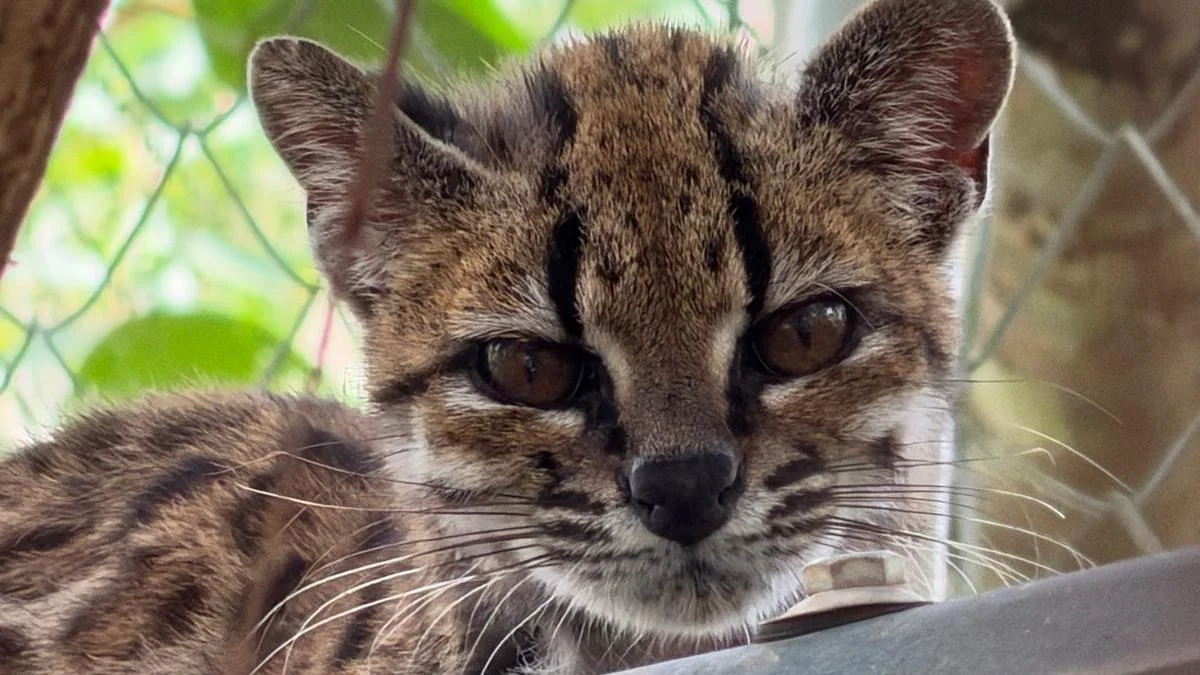
A recently published study in Current Biology has unveiled that a wild cat residing in the Andean forests of Bolivia, previously misidentified as a type of tigercat, is, in fact, an entirely distinct species. This remarkable finding is the first new addition to the felid family since 1923.
Dubbed the tilcayo (Leopardus tilcayo), the species' name pays homage to the local communities that are familiar with this feline. The research highlights the genetic differences that justify the establishment of this new species, which has been relatively overlooked until now.
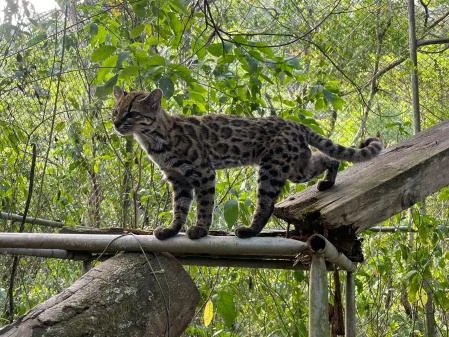
Measuring approximately 45-50 centimeters in length, along with a 25 centimeter tail, the tilcayo bears similarities to domestic cats but features a coat pattern reminiscent of a jaguar. According to Paola Nogales-Ascarrunz, a co-author of the study from the Universidad Mayor de San Andrés in La Paz, the tilcayo exhibits nocturnal behavior, common among many felids. Evidence from fecal samples indicates that its diet primarily consists of small rodents, though knowledge about its overall biology remains scant.
Common Ancestor and Evolutionary Pathways
This discovery stems from a detailed genomic study aimed at better categorizing the Leopardus genus, which includes various small wild cats across the Americas, such as ocelots and colocolo. The complexity in classifying these species has arisen from their similar appearances combined with insufficient prior research.
Researchers analyzed the genomes of 38 specimens from eight Latin American countries, incorporating both living and preserved museum samples. Their findings elucidate the evolutionary history of these felids since their arrival in South America, which occurred following the formation of the Panama Isthmus around 2.7 million years ago. Among the identified species, the tilcayo has been isolated from others in its genus for approximately 1.4 million years due to ecological changes that disrupted its habitat, according to study findings.

This marks the first identification of a new felid since the discovery of the Pampas cat (Leopardus fasciatus) in 1923, as noted by Jonas Lescroart, an evolutionary biologist involved in the study from the University of Antwerp in Belgium.
The species definition was based mainly on a male tilcayo living at the Senda Verde Animal Refuge in Coroico, Bolivia. Rescued as a kitten after being found by a child in the forest, the tilcayo has been living in the refuge since 2017, where it has now reached ten years of age.
Notably, more recently at Senda Verde, the tilcayo predominantly consumes eggs and meat and occasionally hunts small rodents. It is solitary, exhibiting peak activity during the night.
Prior to genetic analysis, the tilcayo was mistaken for a tigercat (Leopardus tigrinus), with which it shares a close kinship found across various South American ecosystems.
Looking ahead, researchers express hope that their genomic findings will contribute to conservation efforts aimed at safeguarding not only the tilcayo but also other wild cat species in the Americas, which face threats from climate change, habitat loss, hunting, and diseases spread by domestic animals. “Legal protection and conservation planning heavily depend on formal species descriptions,” they articulated in Current Biology.

Current data does not provide an estimate of the tilcayo's population size, which requires extensive field research to determine its extinction risk and necessary conservation measures, remarked Lescroart. In addition to the tilcayo, the genomic analyses uncovered four other distinct species within the Leopardus genus: the tigercat (Leopardus tigrinus), the guigna (Leopardus guttulus), the clouded oncilla (Leopardus pardinoides), and the Emilie's cat (Leopardus emiliae).
“The IUCN Red List will require reevaluation to reflect these five distinct species within Leopardus,” Lescroart added. The team has been in contact with the IUCN, which plans to assess each of these species separately.
Discussion
Sign in to join the discussion.