Salvador Alemany's leadership turned Gran Teatre del Liceu from deficits to fiscal balance, emphasizing self-sufficiency while maintaining artistic integrity.
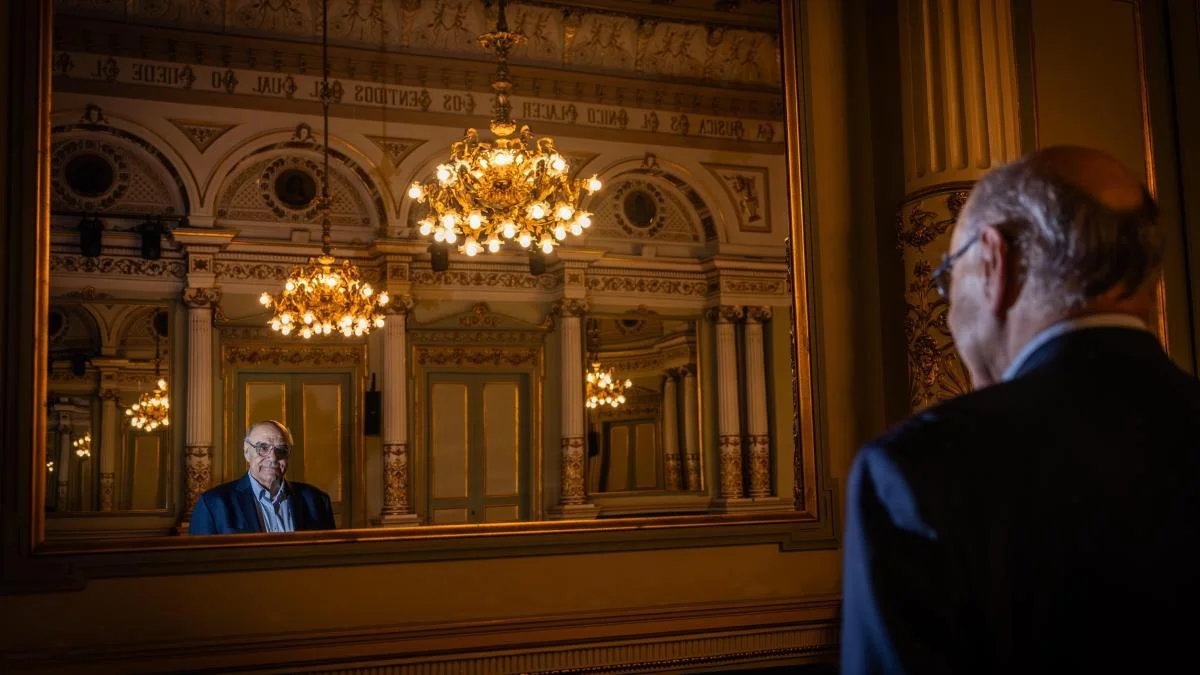
## Reflections on a Decade of Leadership
Salvador Alemany’s tenure at the helm of the Gran Teatre del Liceu marks a significant transformation, transitioning from a debilitating structural deficit of four million euros to an organization operating at fiscal equilibrium. Over the course of ten years, Alemany has maneuvered the complexities of governance while focusing on the theater's financial sustainability. As he steps down from his role as president of the foundation, he hands over the reins to Helena Guardans, who now faces the challenge of continuing the trajectory he established.
### Balancing Funding and Artistic Integrity
The retraining of the theater’s finances initially called for rigorous scrutiny of funding sources. As Alemany recalls, rigorous discussions with government officials were essential to gauge expectations about funding responsibilities. It became a pivotal moment when they agreed that their operational income would always marginally exceed any government support requested. This incorporation of self-sufficiency steered the institution towards a new financial model that emphasized independence without sacrificing artistic integrity.
While Alemany acknowledges that the theater has historically relied on public subsidies—often between 60% and 70%—the shift towards a healthier 50-50 balance has been nothing short of progress. It’s a noteworthy achievement to create programming that not only drives revenue but also enhances the institution's artistic standing, even as concerns about austerity loomed large. The approach wasn’t about cutting costs or reducing staff but rather optimizing resources to build a structure capable of growth and innovation.
### Shifting Perspectives on Public Support
Interestingly, Alemany’s insights shed light on the political implications of opera and classical music in society. He argues that support for the arts is deeply embedded in national identity and tradition; it’s not merely a fiscal transaction for governments. Politicians attend performances to bolster their image, and as a result, the opera becomes a reflection of cultural prestige. It's this intersection of art and public service that continues to fuel discourse around funding—something that might seem quaint yet remains fundamentally vital.
In light of these dynamics, the question of why opera garners governmental support becomes more intricate. It’s not solely about the financial aspect but also about preserving a cultural heritage that governments feel compelled to support. This sentiment could be seen as an acknowledgment that art—and opera, in particular—serves as a hallmark of civilization.
### Grappling with Future Challenges
Alemany leaves a legacy of measured optimism, yet he understands the complexities facing his successor. The forthcoming discussions around the rights of former Liceu proprietors over certain boxes and seats represent one of the many issues that a new leadership must navigate. As past agreements and community identities intertwine with legal frameworks, the resolution will require a blend of respect for tradition and an embrace of modernity.
While the Liceu’s challenges are multifaceted, Alemany’s transition signals a potential for introspection and rejuvenation. His assertion that authentic sponsorship means genuine financial commitment rather than token gestures underscores the enduring need for transparency and integrity in funding. The expectation is clear: if organizations want to support the arts, they must recognize and respond to the realities of artistic finance.
In this nuanced environment, the Liceu’s ongoing evolution will depend on how well the new administration can balance tradition with the pressing need for modernization. If you're involved in arts management, this is a pivotal moment to reflect on the relationship between funding, governance, and artistic ambition. As Alemany steps away, one can’t help but consider what’s next for an institution that seeks to be both a cultural beacon and a fiscal model.
Discussion
Sign in to join the discussion.