Pistachios are rapidly gaining popularity due to their nutritional benefits and culinary versatility, prompting a significant shift in consumer habits.

EuroPistachios, based in Tàrrega, Lleida, represents a growing sector focused on pistachio production. Founded in 2020, the company has acquired significant agricultural land and operates its own nursery, Casa Sant Roc, established in 1981. Today, EuroPistachios manages over 2,000 hectares and has produced more than a million grafted plants, participating in numerous planting initiatives across Spain and France. The company stands out with its four specialized divisions: Capital, Agro, Tech, and its branded line, Tacho, all aimed at a long-term vision of 50 years.
Explaining the Doubling Demand for Pistachios
The surge in global pistachio demand over the past decade can be attributed to three foundational factors. First, there’s the nutritional aspect: consumers are increasingly aware that nuts can be both nutritious and beneficial. Pistachios, rich in protein and well-balanced amino acids, have carved out a prominent place in diets looking to improve health.
Second, in the culinary landscape, pistachios have transitioned from merely a garnish to a primary ingredient, featuring prominently in ice creams, pastries, and confections. Viral trends, such as the popularity of Dubai's chocolate pistachio blend, have accelerated this visibility among younger audiences.
Lastly, the supply-demand imbalance is crucial. While interest has surged, global production has not kept pace; it takes between seven to ten years for a pistachio tree to reach full productivity. This ongoing structural tension between demand and supply is expected to persist, suggesting that consumers will continue transitioning away from impulsive dietary choices to sustainable habits cultivated by a consistent deficiency in production.
Iberian Production vs. Traditional Powerhouses
Countries like the United States, Iran, and Turkey dominate pistachio production, but Iberian producers hold a unique position. Rather than competing on volume with California, which is not an objective, the focus for EuroPistachios lies in proximity, traceability, and superior quality. European markets consume high volumes of pistachios but rely heavily on international imports, susceptible to geopolitical instability and lengthy transportation times. In contrast, fresh Iberian harvests captivate local consumers with their superior aroma and color, providing a lucrative opportunity for becoming a premier supplier of high-quality pistachios in Europe.

“Europe consumes large quantities of pistachios while producing very little, creating an opportunity for fresh, traceable products.”
Long-Term Strategy in Pistachio Cultivation
Managing over 2,000 hectares necessitates a long-term commitment, with a straightforward understanding: pistachio cultivation is not about quick wins. A newly planted tree will only yield its best production after about 15 years. Key strategic decisions include retaining control over essential aspects of the operation, such as selecting plant material, site design, irrigation systems, and marketing strategies. Risk management is enhanced through proprietary weather stations, ensuring adequate water supply, and regular agronomic reports for investors, alongside vertical integration that allows for product transformation during fluctuating prices.
Ideal Cultivation Conditions in Spain
The agronomic and climatic conditions in much of Spain are particularly suited for the cultivation of Pistacia vera. The tree thrives with cold winters that promote uniform flowering, hot and dry summers crucial for fruit ripening, and low humidity during flowering and maturation. Spain's calcareous soils and drought resilience make pistachios a viable option for dry farming. However, while planting pistachios may be straightforward, achieving a successful harvest demands careful management and expertise.
Harnessing Technology for Precision Agriculture
At EuroPistachios, technology enhances day-to-day operations, shifting decision-making from gut instinct to data-driven processes. Each farm acts as a data hub, equipped with weather stations monitoring key environmental variables and soil moisture sensing devices buried at varying depths. This setup enables precise tracking of water availability and tree uptake, ensuring efficient water use and optimal nutritional support tailored to seasonal requirements.
The information gathered feeds directly into Pistaia, their proprietary app facilitating real-time access for technical teams and investors alike. Furthermore, the company collaborates on FERTIMSART, an R&D initiative focused on intelligent fertigation, simulating farm interactions before implementing changes.
Differentiating Tacho's Pistachio Products
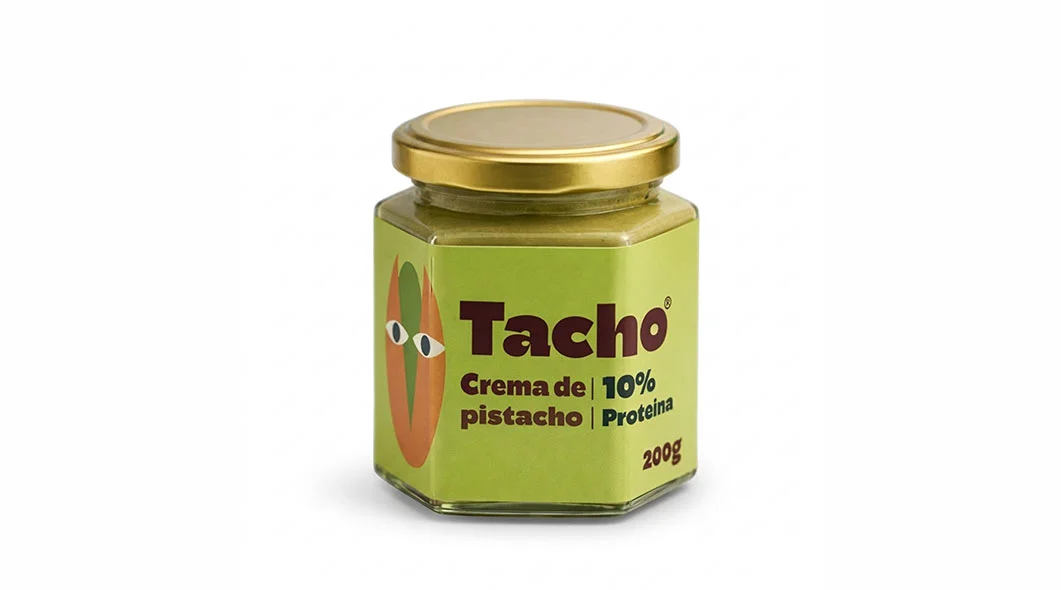
Tacho’s pistachio cream distinguishes itself in an increasingly competitive marketplace through its traceable sourcing. Unlike many competitors that rely on third-party pasta, often lacking clear origin, Tacho uses pistachios grown on their own farms, assuring quality by transforming the product in-house. Their cream contains no added oils or unnecessary sugars and boasts a significantly higher protein content. Most importantly, consumers can track the product from tree to jar, an essential element in today’s market where transparency is key.

Understanding the Value of Vertical Integration
EuroPistachios emphasizes a fully integrated approach from nursery to final product. They select rootstocks, graft seedlings, design planting layouts, implement irrigation systems, and manage cultivation practices directly. This tightly controlled process provides several advantages for consumers: genuine traceability allowing precise identification of product sources, consistent quality by managing drying and processing times, and transparency in labeling, which fosters consumer trust. Furthermore, controlling the entire supply chain reduces dependency on market vagaries, enhancing business resilience.
“The challenge is not just to plant pistachios, but to ensure that the planting is efficient, profitable, and sustainable over time.”
Future Outlook for EuroPistachios
The upcoming years will see a significant shift as newly planted areas come into production, alongside the growth of the Tacho brand. By vertically integrating their operations, EuroPistachios is in a strong position to engage effectively with financial institutions like BBVA, which provides a range of support products tailored to their long-term growth plan. The critical aspect of this venture lies in understanding that in the pistachio business, it's less about immediate capital and more about strategic timing.
Discussion
Sign in to join the discussion.