Mamdani navigates a complex relationship with Trump, balancing political ideals with the reality of media access restrictions during a joint appearance.
Striking a Balance in Political Discourse
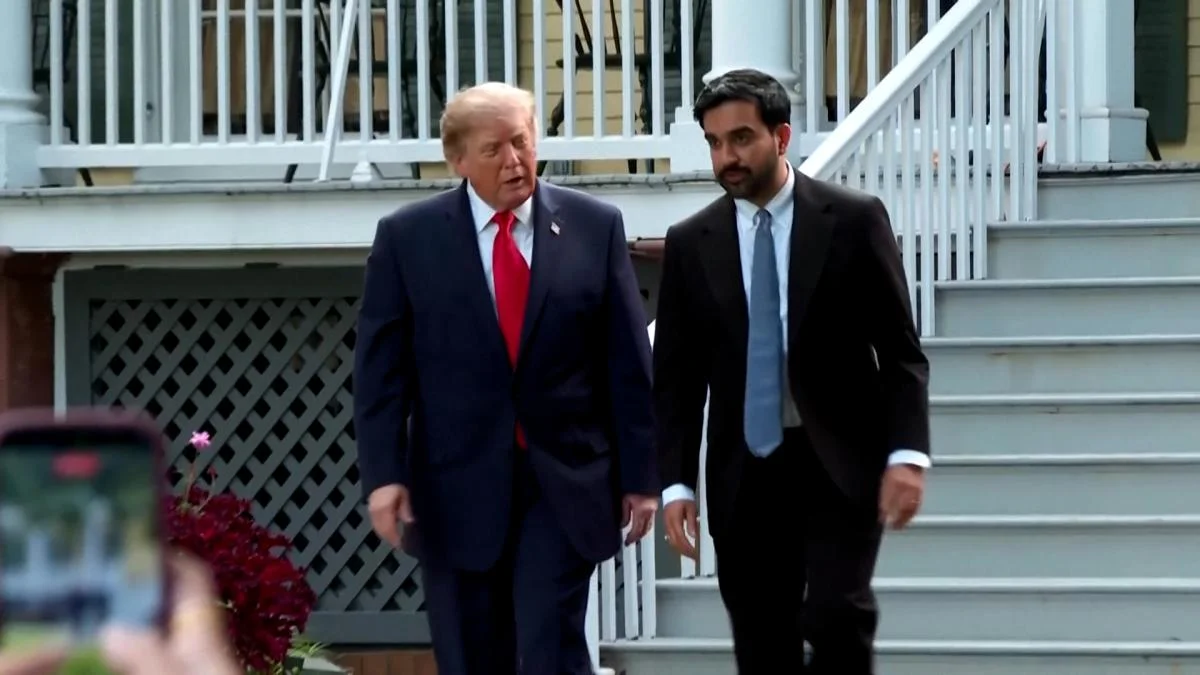
There's an intriguing dynamic between Donald Trump and Zohran Mamdani, the Mayor of New York City and a self-identified socialist within the Democratic Party. The contrast between the two is stark. Mamdani generally advocates for policies aimed at dismantling features of capitalism that he sees as oppressive, particularly in relation to immigrant rights and economic equity. Yet, when standing alongside Trump, whose policies frequently clash with his views, Mamdani adopts a notably docile demeanor. This phenomenon raises questions about the consequences of political engagements for leaders who position themselves as champions of social justice.
A Mutual Meeting at Grace Mansion
This week, the two leaders gathered at Grace Mansion, a site not graced by a U.S. president in decades. The historical significance of this venue adds another layer to their meeting. While the event has produced significant media chatter, some have cynically referred to it as a mutual admiration society. What’s interesting is how, although Mamdani typically exudes confidence, standing beside Trump seems to soften his demeanor. This dynamic often happens when a progressive figure interacts with a controversial leader; the weight of status and media influence can warp intentions and representations. Trump's well-known disdain for those he perceives as lesser often casts a long shadow over such interactions.
A Cordial Yet Tense Exchange
During their meeting, lasting about an hour, both leaders maintained a courteous demeanor despite their ideological oppositions. Trump, whose political style tends toward aggression, expressed a somewhat surprising desire for Mamdani to be a “great mayor.” This reveals a certain strategic politeness; one might speculate that Trump sees value in fostering relationships with mayors as powerful local leaders, particularly in populous states like New York. In response, Mamdani suggested he was open to collaboration with anyone, even someone as polarizing as Trump, to improve New York City. However, this willingness raises questions about the implications of collaboration. If you're working in this space, don’t underestimate how such compromises may dilute progressive objectives.
Press Conference: A Telling Silence
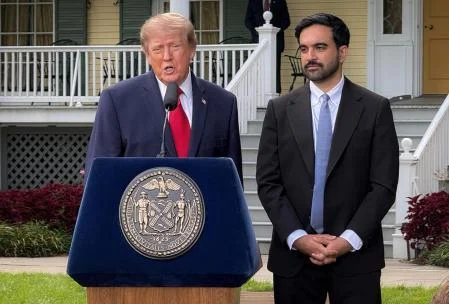
The press conference highlighted uncomfortable truths about political optics. As Trump targeted media outlets, calling them “fake news,” Mamdani stood rigid, an expressionless figure by his side. His silence during such moments is telling, and it detracted from his credibility, presenting him more as a reluctant participant in Trump’s political spectacle rather than a defiant progressive leader. This psychological tension is profound; it suggests that Mamdani may have felt cornered, torn between his convictions and the constraints of his role in local governance.
Navigating Media Presence
When pressed about his stance on Trump’s media access restrictions, Mamdani mentioned he assured Trump all press members could access the garden of the residence. This innocuous claim took on new significance in the context of Trump’s broader media strategy. Trump justified the exclusion of certain media members by claiming they fail to recognize his perceived accomplishments. Notably, Mamdani's decision to withhold any dissent in response reinforces a perception of compromise—an unsettling choice for a progressive leader seeking to defend the integrity of media freedom. What this means for you, the reader, is that political maneuvering in the era of Trump can lead to uncomfortable compromises that might be detrimental to one's political brand.
The Way Forward
This meeting illustrates the complexities of modern politics, especially for leaders like Mamdani, who find themselves inadvertently entangled with figures like Trump. The challenge here is significant: how do you maintain your political integrity when pressures mount to accommodate opposing views? This quandary is magnified when it involves critical issues such as media freedom and democratic accountability in governance. Mamdani's actions demonstrate the broader ideological tensions facing progressives as they engage with established power structures.
Implications and Future Outlook
The implications of this dynamic are more extensive than they appear. Politicians like Mamdani are navigating a labyrinth of expectations, with the potential for their actions to be interpreted in myriad ways. Progressive leaders may become unwittingly co-opted into narratives they don’t agree with, causing friction within their support base. As this dance continues, it will be paramount for Mamdani and similar politicians to strike a delicate balance between pragmatism and principle. The future hinges on whether such leaders can foster genuine collaborations without sacrificing the ideals they advocate.
Ultimately, Mamdani's experiences reflect a growing tension for progressives in the current political climate—striving to uphold values while facing the reality of negotiating with established power. In times where perceptions can shift with a single photo opportunity or statement, vigilance will be essential in ensuring their progressive vision remains intact.
Discussion
Sign in to join the discussion.