Actor Arnaud Denis passed away at 43 in Belgium, seeking euthanasia due to chronic pain attributed to a hernia prosthesis.
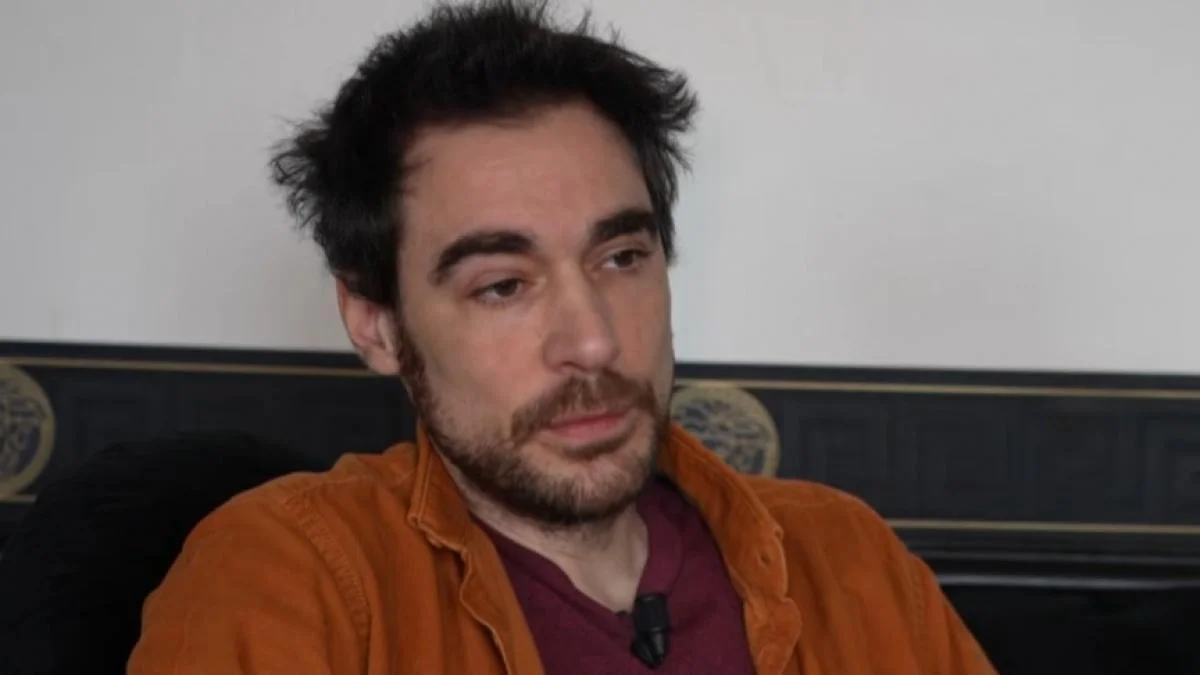
Arnaud Denis, a renowned French actor celebrated for his performances in theater, made the decision to end his life through euthanasia at the age of 43 in Belgium. This tragic choice came after years of enduring significant physical pain, which he largely blamed on a hernia prosthesis implanted in late 2023.
Denis's close friend, actress Delphine Depardieu, shared that he passed away "relieved, almost smiling." In interviews leading up to his death, Denis had voiced his frustrations with the medical system and the manufacturer of the prosthesis, describing his ordeal as a "calvary." Just prior to his passing, he referenced Victor Hugo in a poignant message, saying, “Dying is nothing, the painful part is not living.”
The Painful Road to Euthanasia
Denis's decision, while deeply personal, brings to light the broader discussion around euthanasia and the circumstances that lead individuals to seek such a path. His journey wasn't merely a reflection of his suffering from physical pain; it also underscored systemic issues in healthcare, particularly around patient support and the effectiveness of medical devices. Many see euthanasia as a last resort, a choice taken after exhausting all other options—a sentiment Denis echoed through his advocacy.
The mention of his "calvary" paints a vivid picture of both physical and emotional distress. It’s a term often used to describe a prolonged period of suffering, and for Denis, it comprised not just the direct pain associated with his hernia but the psychological toll of navigating a seemingly indifferent medical system. His frustration with healthcare providers and the manufacturers of medical devices resonates with countless others in similar situations, making his story significant and, sadly, relatable.
Chronicles of Chronic Pain
His struggles with the pain from the prosthesis were documented extensively, including his formation of an association aimed at helping others who experienced similar chronic pain issues from comparable medical devices. This wasn't just about Denis, but about a community that often feels unheard or misunderstood. Chronic pain can be incredibly isolating, and establishing such an association signifies a shift towards collective acknowledgment rather than individual silence.
Denis was awarded a prestigious Molière for his role in Les Amours Dangers, but his legacy now extends beyond his theatrical acclaim. His profound experience and fight for recognition of chronic pain highlight the dire need for attention to medical practices and patient rights. When someone like Denis speaks up, it reverberates through both the arts and medical communities. It challenges all of us to think critically about how we treat pain and the people who endure it.
The Impact of Euthanasia Conversations
As the conversation surrounding euthanasia continues to evolve globally, Denis's story serves as a critical reminder of the personal battles many face in silence. In many jurisdictions, discussions around euthanasia are often contentious and polarizing. Proponents argue for the sanctity of choice and individual rights, while opponents cite moral and ethical reservations. In light of Denis’s experience, it’s evident that understanding the nuances of medical suffering is essential to this debate.
What this means for you, the reader, is that the issues surrounding euthanasia are intertwined with deep societal questions about the nature of suffering, patient autonomy, and moral responsibility. The reality is that many individuals in extreme pain might see euthanasia as a viable option, reinforcing the importance of compassionate care and robust support systems in healthcare. If more attention were given to the nuanced needs of chronic pain patients, perhaps some wouldn’t feel cornered into such life-ending decisions.
Looking Ahead: Implications for Medical Practices
Denis's tragic end raises significant questions for the future of medical practices, particularly concerning how chronic pain is treated and acknowledged. The issue isn't just confined to individual stories of suffering; it has broader implications for healthcare policies. For instance, the efficacy of medical devices should come under scrutiny, and the regulatory bodies that oversee these should be held to account for patient outcomes. This isn’t merely about one actor’s pain—this is a systemic problem in medical treatment that needs fixing.
As healthcare evolves, there needs to be a shift towards integrating patient experiences into product development and health policies. The pain that Denis endured shines a light on a critical gap in the medical community: the disconnect between technological advancements in medicine and the humane treatment of patients suffering from debilitating conditions. Without patient-centric approaches, it’s likely that tragic stories like Denis's will repeat, exposing deep flaws in how we address chronic pain. (and this is the part most people overlook)
Ultimately, Denis's legacy might inspire a more thoughtful dialogue about suffering and autonomy in the medical field. He has not only brought attention to the plight of chronic pain patients but has also ignited a conversation that challenges us to rethink the boundaries of medical ethics and patient care.
Discussion
Sign in to join the discussion.