A recent survey reveals that 58% of Argentines feel their economic situation is worsening, with rising discontent towards governmental policies.
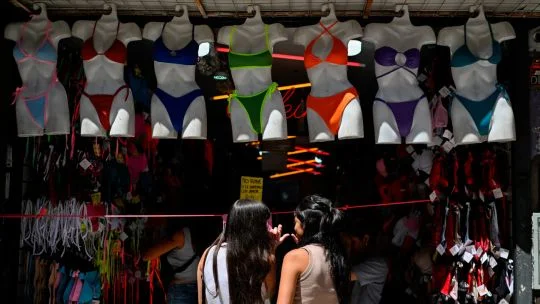
Nearly 60% of Argentines express the belief that their economic conditions are deteriorating, with close to half reporting personal impacts, as indicated by a survey from political consultant Jorge Giacobbe.
The Survey Context
This survey isn’t just a reflection of numbers; it's a window into the Argentine psyche struggling amid economic turmoil. Economic factors such as inflation, unemployment, and public debt have haunted the nation for years, creating an atmosphere of uncertainty. In this backdrop, Giacobbe’s numbers emphasize a stark reality: almost 60% of respondents believe the situation is worsening. That's a heavy sentiment, indicative of broader issues that have persisted over recent administrations.
Personal Impact of Economic Conditions
The data shows that 48.9% of respondents experienced direct consequences of the deteriorating economy, while an additional 9.5% acknowledged difficulties without feeling immediate effects. Together, these figures represent a significant increase from the previous survey where 54% perceived a negative trend. This isn't just a statistic; it's a commentary on how economic instability trickles down to everyday life. **Personal financial struggles** can manifest in various ways, like increased prices at markets or difficulty securing employment. For many, this survey underscores a feeling of helplessness, as the economic climate directly affects family budgets and daily decisions.
Stagnation vs. Progress
Also noteworthy is that 5.3% of those surveyed indicated the economy has stagnated. Thus, the total proportion of respondents who see no signs of improvement rises to approximately 64%. That’s far more than just a sense of pessimism; it shows a lack of faith in economic recovery initiatives. And it begs the question: if people don’t see any improvement, what are the implications for future governmental policies aimed at restoration?
In stark contrast, 28.5% perceive economic progress and report benefiting from it, while 7.3% say conditions are improving but have yet to feel any changes personally. Altogether, the optimistic view accounts for 35.8% of the respondents. This duality in perception raises eyebrows. Are those feeling the benefits isolated cases, or do they represent specific sectors or demographics? What this means for you, especially if you're in the business sector, is that understanding these differing viewpoints is critical for navigating market strategies in a polarized economic environment.
Austerity Measures Under Scrutiny
The survey’s results come at a challenging time for Javier Milei’s administration, which is focused on austerity measures aimed at fiscal discipline to combat chronic inflation and budget deficits. These austerity measures often include cuts in public spending, which can directly affect social services. Nearly half of those surveyed criticized this strategy, with 47.8% describing the government’s approach as "mistaken" and arguing it leads to "meaningless suffering" for citizens. This discontent could have serious ramifications—losing public support for budgetary discipline might hinder future initiatives aiming for stabilization.
Public Sentiment on Austerity
Additionally, 22.4% of respondents expressed that they hope conditions will improve, while 16.8% claimed the austerity measures aren’t particularly harmful, insisting "we are doing fine." A smaller fraction, 3.6%, recognized the rationale behind the economic program but expressed concerns about the toll it could take on society. Meanwhile, only 0.7% of respondents felt undecided on the matter. This mixed reception hints at a polarizing issue; some see austerity as necessary, while others identify it as a catalyst for suffering. (And this is the part most people overlook) — the divergence within public sentiment reflects conflicting ideologies about economic governance and societal welfare. Who will emerge as the voice for the significant number of citizens who feel the brunt of these policies?
Broader Implications and Future Outlook
This survey reflects a deepening divide in public sentiment toward economic policies, as a significant segment grapples with their personal financial realities while struggling to navigate government measures designed to bring stability. The gap between those who feel optimistic and those who are concerned is widening, and that disconnect could lead to substantial political ramifications. Javier Milei's administration may soon face mounting pressure to rethink its strategies if public dissatisfaction continues to grow. People are speaking out, but whether they’ll be truly heard remains unclear.
Ultimately, if the current trajectory holds, we could see increased turmoil in public opinion, potentially leading to calls for policy revisions or a shift in leadership. The economy isn’t just about numbers—it's about lives, futures, and stability. As the Argentine government grapples with its next steps, the voices of its citizens will undoubtedly shape the decisions to come.
Discussion
Sign in to join the discussion.