Brazil is taking significant steps to address Big Tech's market dominance and its impact on journalism, reflecting a global shift towards accountability.
On April 24, Brazil's Administrative Council for Economic Defense (CADE) initiated an investigation into Google, examining whether its handling of news content constitutes unfair competition against local journalism. This move has been supported by various civil society groups advocating for a balanced relationship between digital platforms and news organizations. Ajor, Brazil’s Digital News Association, emphasized that a fair competitive environment is essential for journalism to thrive in the public interest.
CADE's inquiry echoes similar legislative efforts seen in Australia, where regulators recognized the unreciprocated value that tech giants extract from news publishers. The discussions in Brazil have lingered since 2019, intensified by the introduction of AI-generated overviews that summarize information from multiple sources, seemingly altering the economic dynamics of information access online. Judge Camila Cabral Pires Alves noted that these AI tools could substantially disrupt how content is monetized and consumed.
The current investigation centers on allegations of Google's "abusive exploitation of a dominant position." This comes in a climate that's increasingly supportive of regulating AI impacts, with bipartisan acknowledgment in the U.S., including from former President Trump, that some degree of oversight might be necessary. However, CADE judges face significant pressure from Big Tech lobbyists aiming to derail measures that could harm their business models.
The tactics employed by tech companies in Brazil are neither new nor surprising. Giants like Google, Meta, and Amazon have long sought to sway legislation in their favor across Latin America. Investigative journalists recently uncovered efforts by Big Tech lobbyists to dilute regulations in Colombia and evade privacy laws in Ecuador, highlighting an extensive campaign to influence regulatory environments throughout the region.
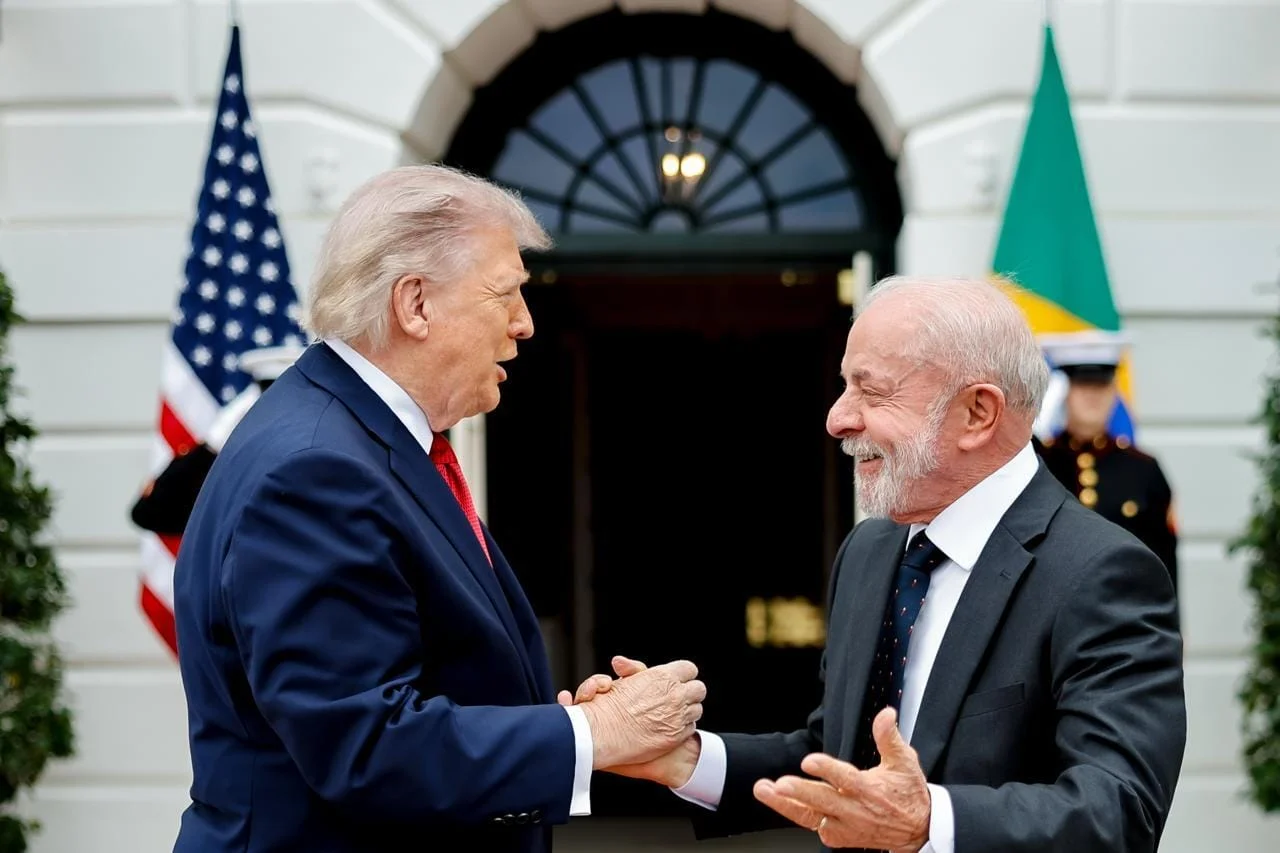
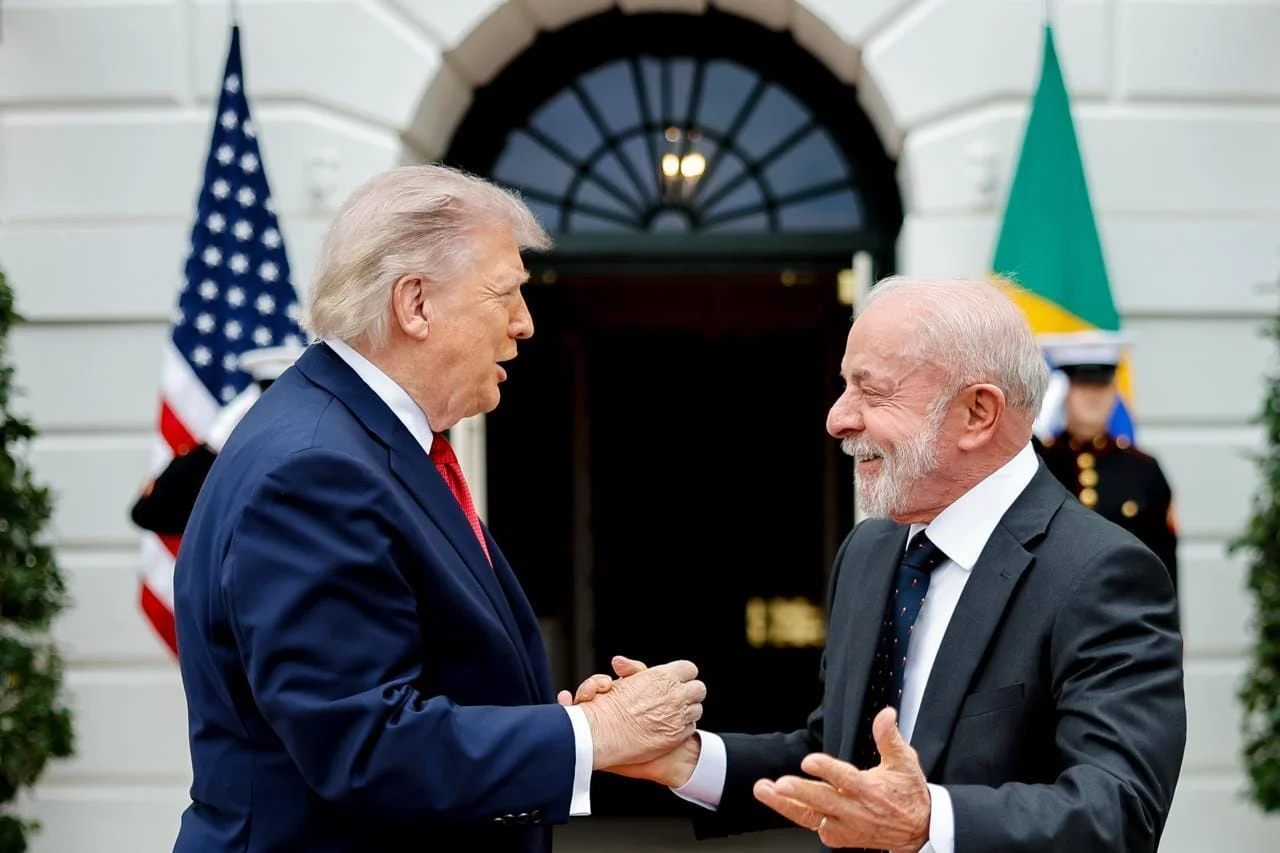
Adding to the complexity of Brazil's relationship with Big Tech is the U.S. government's history of retaliating against nations attempting to impose stricter regulations on American tech firms. This has led to an atmosphere where digital legislation gets significantly softened under U.S. diplomatic pressure. Former President Trump has been vocal about the perceived threats of foreign regulation to American technology, indicating serious political stakes in these discussions.
In conjunction, a project titled “Big Tech’s Invisible Hands,” in collaboration with journalist Maria Teresa Ronderos, mapped various executives from these tech firms manipulating legislative outcomes in Brazil. The phenomenon of the "revolving door" has been prevalent, with former public sector employees moving into prominent lobbying roles within tech companies, enhancing their influence over public policy.
Brazil's digital space is immense, boasting 163 million internet users and extensive engagement across platforms like WhatsApp and YouTube. As AI technology proliferates, the volume of Brazilian-generated online content is shaping the landscape, effectively making everyday users contributors to Big Tech's datasets without recompense.
According to Arthur Lira, Brazil's Congressional Speaker, Big Tech has employed various methods to undermine democratic dialogues, including intimidating lawmakers to stifle legislative accountability. He noted that Google’s searches were strategically manipulated to incite fear about proposed regulations, suggesting they would degrade the internet experience.
Nevertheless, Brazilian lawmakers and the civil society have maintained their resolve. The approval of the “Felca Law” on August 28, 2025, represents a pivotal moment in regulating digital platforms and highlights the urgent societal call for accountability. This legislation mandates strict measures on user age verification and content exposure for children, imposing fines on non-compliance that could shake corporate financial models.
President Luiz Inácio Lula da Silva's stance on regulating Big Tech has received public support, reinforcing his position against the industry's unchecked power. At a recent AI Impact Summit in New Delhi, Lula stressed the need for global governance of AI, warning that algorithmic control concentrated in a few giants equates not to progression, but rather to a form of domination that threatens individual rights and creative industries.
Lula’s unwavering approach seems to resonate positively with voters. Polls indicate that a significant majority of Brazilians—78%—advocate for holding companies accountable for the content they disseminate, with 55% favoring regulation specifically targeting Big Tech.
As the influence of scams, misinformation, and AI-generated content continues to permeate digital life, public dissatisfaction with Big Tech appears to be reaching a tipping point. While the U.S. government's interventions may slow legislative actions, the growing sentiment in Brazil suggests that calls for accountability may soon compel meaningful change from both national and international platforms.
Discussion
Sign in to join the discussion.