IMF reports household debt defaults in Argentina pose minimal economic risk, with current rates remaining manageable compared to regional counterparts.
Household Debt in Argentina: Contextual Overview
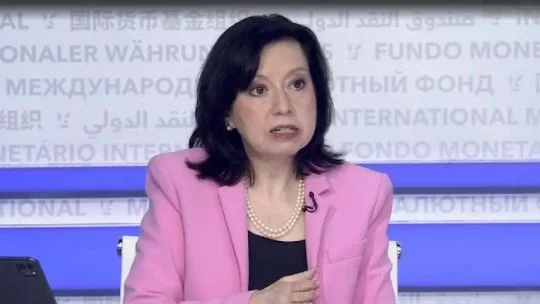
The landscape of household debt is often a telling indicator of any nation’s economic health. In Argentina, the current narrative suggests a mixed picture. The International Monetary Fund (IMF) has indicated that household debt defaults in the country are not seen as a systemic risk. This perspective is significant because Argentina has experienced economic turmoil in the past, leading to skepticism about any reassuring tones regarding its financial stability. In a recent press conference, IMF spokesperson Julie Kozack highlighted that Argentina's household debt levels are relatively low when compared to other nations in Latin America, a region known for economic volatility.
Current Financial Conditions
As of now, household debt accounts for about eight percent of Argentina's GDP, a figure that might sound alarming in other contexts but isn't particularly worrisome when set against the backdrop of regional averages. Countries like Brazil and Chile have significantly higher levels of household debt relative to their GDP, which puts Argentina in a more favorable light, at least superficially. This is a point that Kozack stressed, yet it doesn't negate the reality of ongoing economic struggles faced by many households.
Currently, there are about 5.8 million Argentines who are deemed to be in arrears, meaning they are over 90 days late on their payments. This figure is notable; it highlights a disquieting trend. What might be even more concerning is that half of those in arrears hold debts that are categorized as uncollectible, revealing an alarming uptick in delinquency rates—the highest seen in two decades. This context is crucial, especially for those who observe financial indicators closely.
The Impact on Borrowers
Particular segments of the population, especially lower-income borrowers and those using digital lending platforms, have been disproportionately affected by the increase in overdue loans. The rise of digital lending, while providing financial services to previously underserved populations, has also opened a Pandora’s box of challenges. For many individuals, access to quick credit has turned toxic, as high-interest rates and predatory lending practices often lead to unmanageable debt. Here's the thing: for low-income families, a cycle of debt can become a trap, making recovery increasingly difficult.
Banking Sector Resilience
Despite the worrying signs among borrowers, Kozack provided an optimistic outlook regarding the banking sector's stability. She indicated that the banks are well-capitalized and liquid, with over 85 percent of non-performing loans adequately covered by provisions. While this might provide a degree of comfort to investors and policymakers, it also raises questions about the long-term sustainability of this apparent stability. The real test will come if economic conditions worsen. When you look at it, a high percentage of financial provisions may seem reassuring, but it's often a sign of deeper issues lurking beneath the surface.
The Road Ahead
Looking to the future, Kozack underscores the importance of evolving Argentina's financial markets. She expressed a need for 'providing avenues for credit and savings to be directed toward investment opportunities.' This statement encapsulates a broader philosophy about sustainable economic growth. If you're working in this space, you’ll recognize the significance of developing a financial ecosystem that supports growth rather than exacerbates economic fragility.
Kozack's comments on diversifying investment avenues also reflect a growing consensus about the path forward for Argentina. There’s a challenge ahead: to stimulate financial markets without falling into the traps of unsustainable debt accumulation. This is particularly pertinent as the country seeks to balance reform initiatives with social stability. Such reforms are expected to strengthen economic relationships with international institutions, including the IMF.
The IMF and Economic Reforms
The IMF's support for President Javier Milei's free-market reform initiatives signals a deliberate pivot towards revitalizing Argentina's economic environment after years of stagnation following various defaults on payments. The signing of a four-year, $20 billion Extended Fund Facility agreement in 2025 underscores a renewed commitment to structural reforms aimed at economic recovery and growth. This is more significant than it looks, as it not only affects Argentina's financial dynamics but also reshapes its geopolitical standing.
Managing Director Kristalina Georgieva's recent visit to Argentina further illustrates the IMF's commitment to fostering dialogue with Argentine officials. As the country takes steps to bolster financial market structures, the stakes are high. Argentina’s path will require balancing the need for immediate reforms with the social repercussions these changes may entail.
Implications and Future Outlook
In summary, the situation regarding household debt in Argentina is a complex tapestry woven from global economic trends, national policies, and the realities of everyday life for millions of citizens. While the IMF's position gives some assurance about immediate risks, one can't overlook the distress signals emanating from the household sector. The high rate of delinquency isn't simply an economic statistic; it's a reflection of real hardships faced by people. As Argentina navigates these challenges, the effectiveness of implemented reforms will ultimately determine the nation's stability.
As the financial environment evolves, both for families and financial institutions, any missteps could land the country back in the cycle of economic instability that has characterized much of its recent history. To that end, stakeholders must remain vigilant, aware that while the IMF sees light at the end of the tunnel, many Argentines are still grappling with the darkness of indebtedness.
Discussion
Sign in to join the discussion.