Understanding Complexity in Modern Media and Public Discourse
Published Sep 15, 2026Reads 698By Cristina Jolonch
Toni Segarra emphasizes the importance of navigating complexity in societal dialogue to preserve democracy and counter oversimplified narratives.
Rethinking Complexity in Modern Discourse
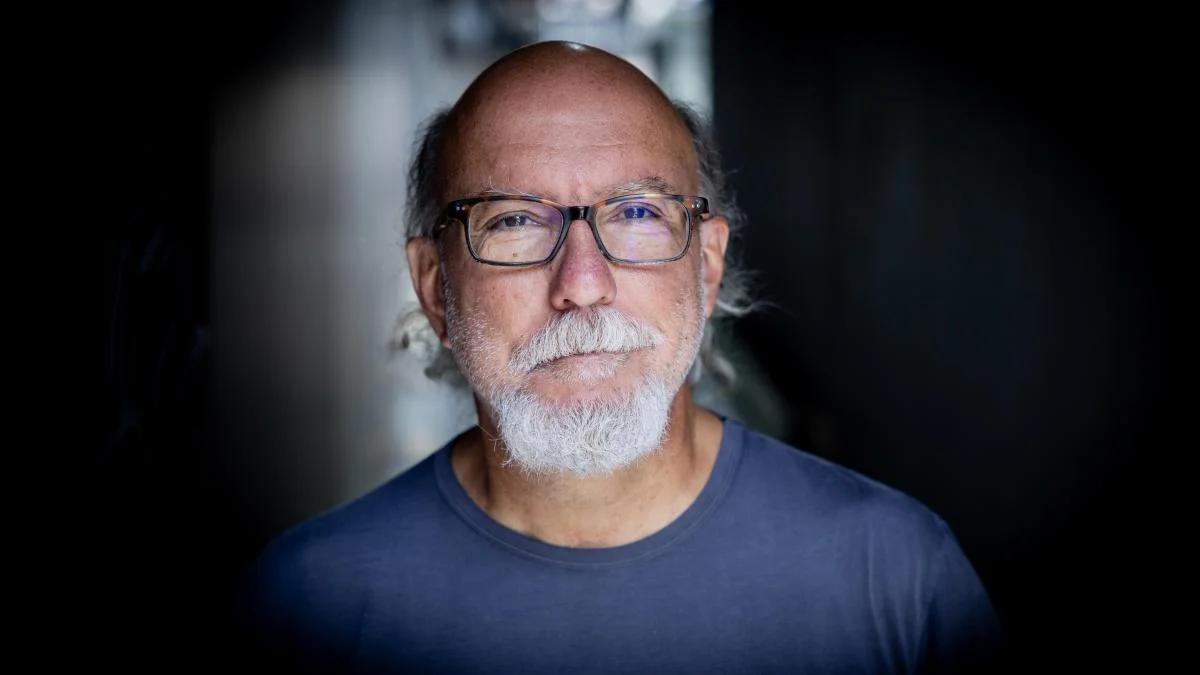
Toni Segarra, a notable figure in advertising and a close friend of famed chef Ferran Adrià, recently shared his thoughts on the current state of societal dialogue during a podcast appearance. He addressed the nuances of communicating in today's polarized environment, emphasizing how simplification can undermine the complexity of important issues. You might think this discussion is just another critique of media; however, Segarra's insights hold deeper implications for how we perceive democracy and public discourse.
Reflecting on his recent public speech honoring Adrià with the Generalitat's gold medal, Segarra commented on the chaotic summer that preceded his remarks. He expressed a profound concern about our constant state of alarm, declaring that while this sense of uncertainty feels prevalent, it's not unprecedented. Acknowledging historical cycles of fear, he lamented that we seem to stumble over the same ideological stones repeatedly.
Segarra's sharpest criticism targets the media's approach to current events, which he argues have become overly simplistic. He observes, “The media, like politics, have polarized; they’ve begun to oversimplify a world that’s inherently complex.” The danger here is significant: in oversimplifying issues, important nuances might be ignored, laying the groundwork for a more binary and less tolerant society. For professionals navigating the media landscape, this should be a wake-up call. If you’re creating content or influencing public opinion, remember that your message can contribute to either the clarity or the confusion of prevailing narratives.
As Segarra points out, the emergence of radical right-wing sentiments feeds off this simplification. Their straightforward messaging appeals to the public's desire for clarity amid chaos. This is a stark reminder of how enticing it is to prefer easy answers over complex truths. Segarra doesn't shy from claiming that even if you simplify a product like milk or cars—which are essentially straightforward—the allure of easy messaging can distort the understanding of more layered societal issues.
For him, the ultimate challenge lies in presenting our complex reality honestly, to honor the multifaceted nature of democracy. He argues that the liberal democratic framework, which encourages diverse voices—even those with minimal representation—is foundational to our society. Failing to see that, he warns, risks undermining the very principles of tolerance and respect that democracy stands upon.
Here’s the thing: if we continue accepting these oversimplified narratives, we allow room for fear-driven ideologies to thrive. Segarra urges, “We must strive to navigate this complexity within our dialogues rather than reducing them to a mere black-and-white perspective.” His perspective not only questions the direction of our media but challenges us all to enhance our engagement with the nuances of the world around us.
Gastronomy as Art and Reflection
Toni Segarra's insights on gastronomy elevate the discussion beyond mere culinary prowess to a profound cultural expression. He starkly argues that the culinary legacy of El Bulli isn't just a nostalgic memory; it's an active force within Barcelona's vibrant dining scene. For Segarra, the idea that El Bulli represents—a relentless pursuit of excellence and artistic expression—is alive and thriving. This perspective reframes the current culinary movement in Barcelona, suggesting that the city is home to countless establishments that embody this creative spirit. These restaurants aren’t just businesses; they are continuations of a philosophical approach rooted in technical perfection and artistic inquiry.
This leads to a provocative thought: in an age where the culinary arts are often overshadowed by trendy marketing, how do we measure true quality? Segarra points out that some chefs articulate their vision brilliantly, contributing to their success, while others remain underappreciated, perhaps due to their modesty. The contrast he draws between chefs who excel at presenting their concepts and those who do not is significant; it points to the dichotomy in the industry between artistry and commercial viability.
The Interplay of Art and Understanding
Segarra doesn't shy away from critiquing the tendency to prioritize clever marketing over genuine culinary skill. He recalls Ferran Adrià’s warnings about the dangers of miscommunication in the food world. Those who can talk well yet produce subpar offerings risk diluting the market with inferior products. In many ways, this scenario mirrors the broader conversation about authenticity in art and culture, where compelling narratives can sometimes mask a lack of substance.
Moreover, he touches on a broader societal shift regarding the appreciation of chefs as influential cultural figures. The administration is starting to recognize the economic potential that can arise from celebrating this "star system" of chefs, moving beyond the elitism that has often tainted discussions around culinary arts. Segarra emphasizes that a genuine connection to gastronomic artistry can yield significant economic benefits. His message seeks to disrupt common misconceptions, urging a contextual understanding of both culinary form and the subtle artistry involved.
As we look to the future, the conversation around gastronomy must shift towards valuing not just the chefs who can market themselves effectively, but also those who innovate in silence. The culinary world holds immense promise, but as Segarra suggests, it requires a commitment to genuine artistic expression and an acknowledgment of the stories behind the food we consume. If you're entrenched in this industry, how will you contribute to shaping a narrative that both celebrates and critically assesses the art of cooking? The answer could very well influence the next phase of culinary evolution.
Discussion
Sign in to join the discussion.